Retirement really changes how you bring in money, but wow, it sure doesn’t slow down how fast it can disappear. You’re living on a fixed income now—Social Security, pensions, maybe some retirement accounts—so every dollar packs a bigger punch.
One surprise expense or a couple of sneaky subscription charges can blow up your monthly budget before you even realize it. No more paychecks to bail you out, so you have to keep a closer eye on things.

A weekly money check-in routine gives you a straightforward way to keep tabs on spending, track income, and spot trouble before it snowballs. In this article, I’ll show you how to set up a simple 15-minute routine that covers tracking expenses, keeping an eye on retirement income, tweaking your budget, and protecting your savings. You’ll find a handy checklist, real-life examples for different retirement situations, and practical tools that don’t require any fancy software.
Key Takeaways
- A 15-minute weekly check-in helps retirees track spending and catch budget problems early.
- Keeping an eye on all income sources each week helps you avoid missed payments or gaps.
- Simple tracking tools and regular check-ins protect your savings and cut down on financial stress.
Why a Weekly Money Check-In Matters for Retirees

Retirement changes the way money moves in and out of your life. Regular check-ins matter more than ever now. A weekly money check-in helps you spot errors before they snowball, handle oddball expenses with less worry, and—let’s be honest—sleep better because you know where you stand.
Reducing Financial Stress Through Consistency

You’re not getting that steady paycheck anymore. Now you’re juggling Social Security, pension payments, Required Minimum Distributions, and withdrawals that show up whenever they feel like it.
A weekly check-in brings some order to the chaos. Spend 10 minutes every Sunday morning or Wednesday afternoon reviewing your accounts, and you’ll catch a missed Social Security deposit in days, not weeks. You’ll notice if Medicare double-charged your Part B premium, or if your utility bill suddenly jumped from $140 to $340.
Each weekly session, check:
- All bank account balances (checking, savings, money market)
- Transactions from the past week
- Automatic withdrawals coming up next week
- Credit card purchases and your current balance
This routine saves you from constantly wondering, “Can I actually afford this?” You’ll know your cash situation because you just checked it, not because you’re guessing. That peace of mind really helps keep anxiety in check.
Building Confidence and Clarity in Retirement

When you check your money every week, you start to see your real spending patterns—not just what you hope you spend. Maybe you budget $400 for groceries, but your weekly reviews show you actually spend $140 one week and $95 the next because you ate out more.
This kind of awareness helps you make better decisions in real time. If your daughter asks you to pitch in $200 for your grandson’s baseball trip, you’ll know right away if that works for your budget this month.
Weekly check-ins also help you spot:
- Which expenses are fixed and which ones you can control
- Whether your withdrawals match your actual spending
- Small subscriptions you meant to cancel ($9.99 here, $14.99 there)
- Chances to move extra cash into higher-yield savings
You become the expert on your own finances. That confidence matters when you’re making healthcare decisions or thinking about helping family.
Preventing Costly Surprises Early

The average retiree pays about $6,000 a year in healthcare costs beyond Medicare. Property taxes can jump 8-15% in just a year. Homeowner’s insurance might renew at $2,400 instead of last year’s $1,850.
Weekly money check-ins help you catch these changes while you can still do something about them. You’ll see the insurance renewal in your account activity and have time to shop around, instead of finding out two months later when it’s too late.
Missing a bill can cost you $35 in late fees, plus interest. Overdrawing your account? That’s another $25-35 per transaction at most banks. A weekly review protects you from these avoidable costs that really add up.
Pick a specific day and time for your check-in. Monday mornings work well since weekend spending is fresh, and you can adjust your week if you need to.
Setting Up Your Weekly Money Check-In Routine

Choose a day and time that doesn’t clash with doctor appointments or family visits. Set up a comfortable spot—make it pleasant, not a chore. Add a small reward or something you enjoy to help you stick with it.
Choosing the Right Time and Place

Most retirees find Tuesday or Wednesday mornings work well, since Monday brings new mail and bills. Fridays? Maybe not, especially if you travel or see family on weekends.
Set aside 15 to 30 minutes when you’re feeling alert. If medication affects your focus, schedule your check-in during your best window. Morning coffee or right after lunch often fits naturally.
Use the same spot each week. A kitchen table with good light beats a messy desk. Keep a folder or binder nearby with recent bank statements, receipts, and bills so you’re not scrambling for papers.
Put the check-in on your calendar and set a reminder. Treat it like a doctor’s appointment—don’t skip unless it’s really necessary.
Making the Ritual Enjoyable and Sustainable

Pair your check-in with something you like. Brew your favorite tea, play a podcast, or sit by a sunny window. These little things make the task less of a drag.
Keep your checklist simple: balances, deposits, credit card charges, upcoming bills. You’re not doing taxes—just a quick check.
Celebrate small wins. If you stayed under budget or caught a duplicate charge, give yourself credit. Maybe jot it down or mention it to your spouse. Positive feedback helps the habit stick.
If 30 minutes feels like too much, start with 10. Just check balances and upcoming payments. You can always add more once it feels routine. The main thing is to keep showing up.
Personalizing the Experience for Lasting Impact

Track one or two categories that matter to you—maybe healthcare copays, dining out, or gifts for grandkids. Use a simple spreadsheet or paper ledger: just date, amount, and category. That’s enough to spot trends without feeling overwhelmed.
If you’re new to budgeting, start with cash flow: income minus fixed expenses like mortgage, insurance, and utilities. Write that number at the top each week. That’s your “wiggle room” for groceries, gas, and extras.
If you share finances, involve your partner. Take turns leading the check-in or go through accounts together over coffee. This keeps both of you in the loop if one of you gets sick or can’t manage money for a while.
Tweak the routine as your life changes. If you start traveling or pick up a part-time job, shift your check-in day or add a new category. The system should work for you, not the other way around.
See Related: A Guide to Financial Independence Retire Early for African Americans for Wealth and Freedom
Key Steps in Your Weekly Money Check-In

A weekly money check-in keeps you on top of where your retirement income goes and helps stop small issues from turning into big headaches. Reviewing accounts, checking spending against your budget, and paying bills takes about 15 minutes, but it can save you hours of stress.
Reviewing Bank Accounts and Recent Transactions

Log into your checking and savings accounts to see your balances. Review every transaction from the past week. Look for two things: any charges you didn’t make and spending you forgot about.
Check that your Social Security, pension, or retirement account withdrawal landed on time. If you expected $3,200 from your IRA and only $2,900 showed up, call your broker before the week’s over.
Scan for duplicate charges, subscription renewals you planned to cancel, or possible fraud. Retirees get targeted more often for scams, and it’s easier to catch a weird $47 charge now than try to fix it three months later.
Personal Capital pulls all your accounts into one dashboard, so you don’t have to log into five different websites. You can see checking, savings, and investments in one spot.
The free version tracks transactions and categorizes spending, though you’ll still want to double-check for accuracy. If your balance looks off, don’t wait until the end of the month to figure out why.
Comparing Spending Against Your Budget

Open your budget and see what you planned to spend versus what actually left your accounts this week. If you set aside $400 for groceries, you want to see about $100 spent after the first week.
Try budgeting software like Mint or YNAB, or just use a spreadsheet. Focus on key categories: healthcare, utilities, groceries, dining out, and extras. Healthcare can really surprise you—copays and prescriptions add up faster than you’d think.
If you’re already $80 over budget on dining out by Wednesday, you know it’s time to cook at home for the rest of the week instead of getting caught off guard at month’s end.
Budgeting in retirement feels different because your income’s fixed. You can’t just work overtime to cover overspending. Catching problems weekly helps you avoid dipping into savings you want to keep.
Paying Upcoming Bills and Managing Payments

Check which bills are due in the next week and pay them during your check-in. Don’t wait until the last minute. This helps you dodge late fees and gives you a cushion if a payment’s slow to process.
Set most fixed bills on autopay—mortgage or rent, utilities, insurance, subscriptions you actually use. For credit cards and variable bills, pay manually so you can review charges before the money leaves your account.
If a new medical or property tax bill arrived this week, don’t shove it aside. Pay it now or at least add it to a list with the due date and amount. Retirees juggling Medicare and other costs do better when they pay bills as they come in.
Keep at least one month of fixed expenses in your checking account as a buffer. If your bills total $2,800, aim for a $2,800–$3,500 balance. That way, a surprise car repair won’t trigger overdraft fees or force you to scramble.
Budgeting Tools and Strategies for Retirees

The right budgeting tool depends on your comfort with technology. Maybe you like a paper spreadsheet, or maybe you want an app that syncs with your bank. Either way, what matters is using it every week when you do your check-in.
Simple Budget Templates and Spreadsheets
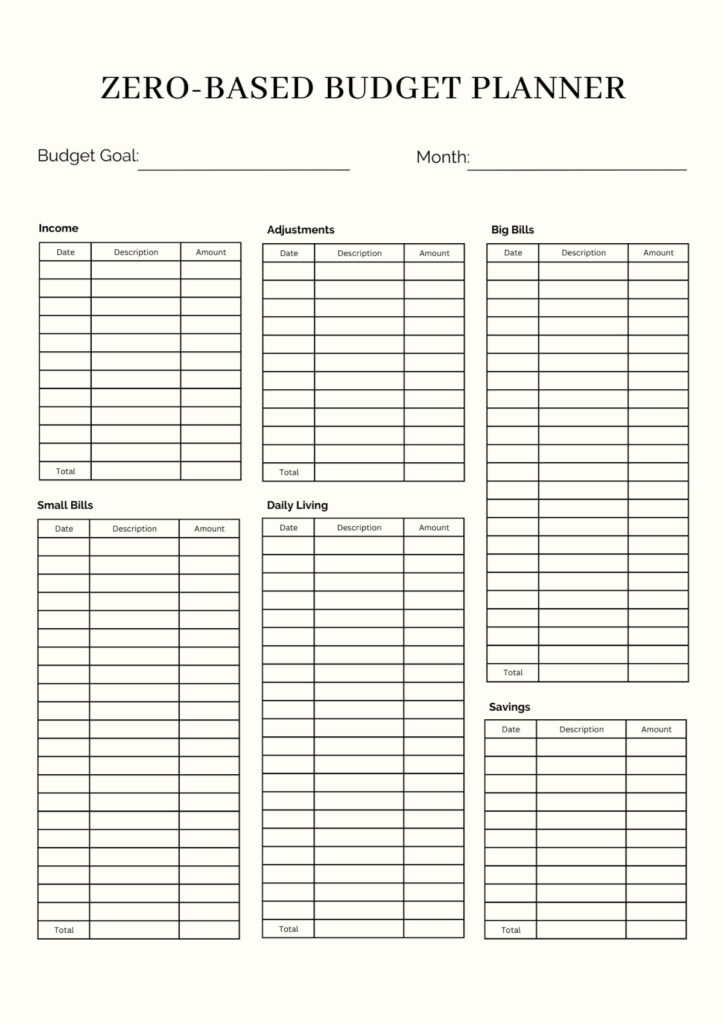
A basic spreadsheet puts you in the driver’s seat—no monthly fees, no worries about your data floating around. Google Sheets and Microsoft Excel both have free retirement budget templates you can grab in under five minutes.
Set up three columns: income sources (Social Security, pension, withdrawals), fixed expenses (mortgage, insurance, utilities), and variable spending (groceries, gas, entertainment). When you write out each transaction by hand, you’ll catch spending patterns that automated apps sometimes gloss over.
Let’s say you pull $3,500 a month from your retirement accounts but only track $2,800 in expenses. Where’s that missing $700 going? Most retirees find it slips away on little things—pharmacy runs, coffee breaks, online subscriptions.
Print your spreadsheet every week or just keep it open during your money check-in. Add a notes column to jot down why certain weeks cost more. Did you fill a prescription? Buy a birthday gift? That context will help when you look back at the end of the month.
The envelope method can work well with spreadsheets, especially for variable categories. Set aside cash for groceries or entertainment, then track what you actually spent in your spreadsheet and see how it matches up.
Leveraging Budgeting Software and Apps

Personal Capital automatically pulls transactions from your bank accounts and shows your net worth, investment performance, and spending categories all in one place. If you’ve got multiple accounts, this saves a ton of manual data entry.
YNAB (You Need A Budget) and EveryDollar make you assign every dollar a job before you spend it. This zero-based system helps if you want tight control over discretionary spending. Here’s the catch: YNAB runs $99 a year after the free trial, and both apps take daily effort for at least the first month while you get into the groove.
PocketGuard keeps it simple and just tells you: how much can I safely spend today? It figures this out by subtracting bills, goals, and essentials from your balance. Retirees who want a fast check on their spending limits often like this approach—no need to dig into detailed reports.
Most big bank apps now include some basic budgeting tools that categorize your transactions automatically. Chase, Bank of America, Fidelity—they all offer this for free. Before you pay for a separate app, look for a “spending” or “budget” tab in your bank’s mobile app.
There’s a real risk with any app: you’ll need to link your financial accounts and trust a third party with your login info. Stick with apps that use read-only access and two-factor authentication. If that still makes you uneasy, just update a spreadsheet manually using your bank statements.
Caring for Retirement Income Streams

Your retirement money comes from a few different places, and each one deserves its own quick check during your weekly review. Monitor guaranteed income like pensions and Social Security so you can catch payment problems early. Track withdrawals from your investments to make sure your savings last.
Tracking Pensions, Annuities, and Social Security

Check that your guaranteed income actually lands in your account on schedule each week. Social Security payments show up on the second, third, or fourth Wednesday of the month, depending on your birthday. Pensions might pay monthly or twice a month, depending on your old employer.
Put these payment dates in your calendar and double-check the amounts. If a payment’s missing or lower than expected, you want to catch it fast—it can take weeks to fix.
For annuities, review your contract so you know if you’re supposed to get fixed or variable payments. Fixed annuities should pay the same every time. Variable ones will bounce around, so compare each payment to the last few months to spot any weird drops.
If something’s off, call right away. Social Security issues? Contact the SSA at 800-772-1213.
Pension problems? Call your former employer’s benefits department. For annuities, reach out to your insurance company.
Keep a simple spreadsheet with expected amounts, actual deposits, and payment dates. This only takes a few minutes each week, but it can save you hours of hassle if something goes wrong.
Assessing Withdrawals From Savings and Investments

Check how much you withdrew from your investment accounts in the past week. Add it to your monthly tally to see if you’re sticking to your planned withdrawal rate.
Most retirees try to stick to 4% of their portfolio per year, divided by 12 for a monthly target. If you started with $500,000, that’s $20,000 a year, or about $1,667 each month. Weekly, you’re looking at roughly $385.
Keep track of which accounts you’re pulling from. Maybe you use a taxable brokerage one month and your traditional IRA the next.
Remember, each account has its own tax rules. Traditional IRA and 401(k) withdrawals count as ordinary income and get taxed. Roth IRA distributions after 59½ are tax-free.
Watch for required minimum distributions (RMDs) once you hit age 73. Miss one, and you could face a penalty up to 25% of what you should have withdrawn. Figure out your annual RMD in January, divide by 12, and track your progress each month.
If markets take a dive, think about pausing withdrawals from your investments for a bit. Tap your emergency fund instead so you’re not forced to sell stocks at a loss. This bucket approach keeps your long-term savings safer during rough patches.
See Related: Simple Frugal Living Hacks at Home That Transform Your Finances Fast
Safeguarding Your Financial Future

A weekly check-in keeps you on track day-to-day, but real financial security in retirement means building a solid emergency fund and doing monthly reviews to catch anything you missed.
Maintaining Your Emergency Fund

Your emergency fund should cover 6-12 months of living expenses. In retirement, shoot for the higher end. If your monthly expenses are $3,500, you’ll want $21,000 to $42,000 in a high-yield savings account earning 4-5% interest.
Check your emergency fund balance every week to make sure you haven’t dipped into it. If you had to use some for a medical bill or home repair, make a plan to rebuild it over the next 3-6 months.
Keep this money separate from your main checking account. Link it for emergencies, but set it up so transfers aren’t too easy—you don’t want to spend it by accident.
Red flags:
- Your emergency fund earns less than 3% interest
- You’ve borrowed from it twice in three months
- The balance keeps shrinking without a real emergency
Rebuild your fund by setting aside 10-15% of your Social Security or pension each month until you’re back on target.
Scheduling a Monthly Review for Larger Adjustments

Set aside 30-45 minutes once a month to review the patterns you noticed in your weekly check-ins. Look at your total spending by category—groceries, healthcare, utilities, and discretionary stuff.
Compare what you actually spent to your budget targets. If you budgeted $400 for groceries but spent $520 three weeks in a row, it’s time to adjust your budget or rethink your shopping.
Check for sneaky subscriptions during this review. Streaming services, memberships, auto-renewals—they add up. One retiree found $87 a month in forgotten subscriptions.
Monthly review checklist:
- Spending by category vs. budget
- Recurring charges and subscriptions
- Investment balances and RMD timing
- Large expenses coming up in the next 60-90 days
- Changes to income sources
Adjust your budget for the next month based on what really happened. If your utility bill jumped $40 during the summer, plan for that next year.
Adding Reflection and Learning to Your Routine

Jotting down your financial decisions helps you spot spending patterns. Reading keeps you sharp on changes to Social Security, Medicare, and investment strategies that can impact your retirement.
Journaling Money Insights and Progress

Keeping a simple money journal during your weekly check-in creates a record of your choices and emotional triggers. No fancy software needed—a notebook or digital doc works fine.
Start each entry with three to five sentences about your spending that week. Did you impulse-buy at the grocery store? Skip a restaurant meal? These notes reveal patterns you’d miss just scanning bank statements.
Track specific wins, even the small ones. Write things like “Saved $40 by meal planning” or “Dodged a $25 ATM fee by planning ahead.” Concrete numbers make your progress visible and keep you motivated when investments swing.
Use your journal to jot down questions. “Why did our utility bill jump $30?” or “Should we change our withdrawal rate?” Writing these during your check-in means you’ll actually look them up later.
Review past entries monthly. You’ll notice cycles—maybe you overspend after seeing certain relatives or during certain seasons. This awareness helps you budget better and avoid old mistakes.
Using Reading to Stay Engaged With Personal Finance Trends

Spend 15 to 20 minutes each week reading a solid financial article or resource. This keeps you up to date without drowning in financial news.
Focus on topics that matter in retirement: RMDs, healthcare costs, inflation, Social Security updates. Your local library often has free access to financial magazines and newspapers if you want to dodge paywalls.
Pick reliable sources like AARP, Consumer Reports, or government sites—not just random blogs. Trusted publishers help you avoid bad advice that could cost you big.
Rotate topics each month. January could be healthcare, February tax strategies, March estate planning. This way, you build knowledge without making reading a chore.
Keep a simple list of things you want to act on. If you read about a new Medicare deadline or tax deduction, jot it in your planner with a follow-up date. Learning’s great, but action is what actually saves you money.
See Related: Easy Frugal Habits for Beginners That Transform Your Finances
Frequently Asked Questions

Managing money week by week in retirement takes a different approach than during your working years. These answers get into the real budgeting challenges, spending strategies, and review habits that help fixed-income retirees stay on track.
How can I effectively budget my retirement savings every week?
Start by splitting your monthly retirement income into a weekly amount. If you get $3,200 a month from Social Security and pensions, that’s $800 per week. Some months have a fifth week, so tuck that extra week’s money into a buffer account.
List your fixed weekly costs first. Mortgage or rent, utilities, insurance, prescription copays—they don’t change much.
If your mortgage is $1,000 a month, set aside $250 a week. Add up your fixed costs and subtract from your weekly income to see what’s left for groceries, gas, and fun stuff.
Track variable expenses in simple categories. Make a line for groceries, medical copays, transportation, home repairs, entertainment. If you spend $400 a month on groceries, budget $100 per week and check your actual spending each Sunday.
Use a basic spreadsheet or notebook with columns for budgeted, actual, and difference. Many retirees like EveryDollar or GoodBudget for a weekly view that isn’t overwhelming.
What are some strategies to manage my spending during retirement each week?
Try paying yourself first—transfer a set amount to savings each week before you spend on anything else. Even $25 a week adds up to $1,300 over a year. That little cushion can really help when surprise bills show up, whether it’s the doctor or a busted appliance.
When it comes to groceries, shop just once a week with a detailed list and a meal plan. I’ve noticed retirees who shop several times a week end up spending 30-40% more, mostly on impulse stuff.
Take advantage of senior discount days—lots of stores knock 5-10% off on Tuesdays or Wednesdays if you’re over 55 or 60.
Try batching your errands to cut down on gas costs. If you combine doctor visits, pharmacy stops, and grocery runs into one trip, you might save $40-60 a month on fuel. If you still claim medical deductions, jot down your mileage in a little notebook.
Set a weekly limit for things like dining out or hobbies. Let’s say you budgeted $80 for eating out this month—that’s $20 per week. If you go over and spend $25 one week, just scale back to $15 the next instead of waiting until the end of the month to realize you blew the budget.
For categories where you tend to overspend, try cash envelopes. Maybe gifts, hobbies, or eating out are your weak spots. Pull out $50 in cash for the week, and when it’s gone, it’s gone—unlike with credit cards, there’s a real limit.
Could you guide me through setting up a weekly financial review as a retiree?
Pick a specific day and time every week. Sunday morning after breakfast works for a lot of folks, but just find what fits your routine. Mark off 20-30 minutes on your calendar and treat it like a real appointment.
Gather up your bank statements, credit card transactions, receipts, and any notes about cash spending. Log in to your bank’s website or app, then look over the past week’s activity. Write down each transaction, noting the date, amount, and what it was for.
Compare what you actually spent to your weekly budget. If you planned $100 for groceries but spent $130, highlight that $30 difference in red. Figure out why—maybe meat cost more, or you stocked up on a sale, or maybe you made a few extra trips.
Check your account balances and look at upcoming bills. Make sure your Social Security and pension deposits came in.
Double-check that automatic payments for things like utilities, insurance, and subscriptions went through. If anything’s missing or looks weird, flag it right away to follow up.
Adjust next week’s budget based on what happened this week. If you overspent $30 on groceries, trim $30 from dining out next week. If you spent $20 less on gas because you stayed home, move that extra to your emergency fund or chip away at a credit card balance.
Jot down one insight and one intention. Maybe you notice pharmacy charges and want to check on a generic option, or you realize you spent $40 on takeout when you were too tired to cook—so you plan to prep freezer meals on Sunday next time.
What steps should I take to ensure my weekly expenses don’t exceed my retirement income?
Figure out your real weekly income by dividing your yearly retirement income by 52. Don’t just multiply monthly income by 4—some months have five weeks. For example, if you get $38,400 a year, you’ve got about $738.46 each week, not $800.
Before you try to stick to tight weekly budgets, build up a $500 to $1,000 buffer fund. This way, you won’t panic if one week’s expenses spike for things like meds or car repairs. Without a cushion, you’ll just borrow from next week and get stuck in a loop.
Track every single dollar you spend for a month before you set any limits. Most retirees underestimate stuff like copays, over-the-counter meds, pet costs, and gifts. Real numbers help you avoid setting budgets that fall apart in a few days.
Set up automatic transfers the same day your income hits. If Social Security lands on the third Wednesday, schedule your transfers right then: $50 to savings, $250 to a checking account just for bills, $100 to a groceries account. This keeps you from spending bill money on extras by accident.
Take a look at your subscription services and recurring charges every month. A lot of retirees carry $30-80 in subscriptions they don’t use—maybe a streaming service you forgot to cancel, a magazine, or an old gym membership. If you haven’t used it in 60 days, just cancel it.
Try the “wait 48 hours” rule for any non-essential purchase over $50. Write down the item and price, then come back to it in two days. Most retirees on a fixed income say that 60-70% of those delayed buys turn out to be things they didn’t really need anyway.
Can you suggest ways to monitor and adjust my retirement plan on a weekly basis?
Every Monday morning, open up your investment accounts if you’re taking money from retirement portfolios. Glance at your total balance and see how it stacks up against last week. If you spot the usual small changes—maybe 1-2%—that’s nothing to stress about. But if your balance drops by 5% or more, it’s probably time to reach out to your financial advisor.
Try recalculating your safe withdrawal rate every quarter. Let’s say you started retirement with $400,000 and planned to take out 4% each year—that’s $16,000, or about $308 a week. But if your balance slips to $360,000, your new 4% rate is $277 a week. It’s better to adjust your spending to fit your current balance, not just stick to your original plan.
Keep an eye on healthcare costs and track them separately from your other spending. Medical expenses can sneak up on you.
Leave a Reply