
Building a budget grocery list honestly changed everything for me. Back when I was buried under $40,000 of debt and somehow spending over $600 a month on food, I’d stare at my grocery receipt in total disbelief. How on earth did basic groceries get so expensive?
Here’s the thing: successful frugal living starts with a strategic grocery list. Focus on versatile, nutrient-dense foods that cost less than $2 per pound, and you’ll see the difference.

You don’t have to eat bland food just because you’re watching your wallet. There’s this myth that frugal grocery shopping means surviving on ramen and sadness—nope, not true!
The real trick? Knowing which foods stretch your dollar the furthest without sacrificing taste or nutrition.
Let’s dig into how you can create a budget grocery list that fits your frugal lifestyle. I’ll walk you through affordable staples, smart shopping strategies, and meal planning tricks that helped me slash my food spending by 40% (and made dinner a lot less stressful).
Key Takeaways
- Stick with versatile staples like rice, beans, and eggs—under $2 per pound and easy to work into all sorts of meals.
- Seasonal produce and frozen veggies pack in nutrition, but won’t destroy your food budget.
- Plan meals and buy in bulk when it makes sense. That’s where the big savings show up.
How A Budget Grocery List Supports Frugal Living

A good grocery list is like a map for your money. It keeps you from making expensive mistakes and helps you squeeze the most out of every dollar.
When you plan your meals, you take the guesswork out of shopping. A written list keeps you focused and stops those sneaky impulse buys that can wreck your budget.
The Importance Of Planning Meals In Advance

Planning your meals before you shop can turn chaos into calm. Seriously, when you sit down and map out breakfast, lunch, and dinner for the week, you set yourself up for smarter choices.
Here’s how I make it work:
- Check what’s already in the pantry or fridge.
- Pick recipes that use overlapping ingredients (less waste, more savings).
- Plan for leftovers—stretch those meals!
You avoid buying duplicates or stuff that’ll end up rotting in the crisper drawer. Like, if you’re making stir-fry Monday and soup Wednesday, one bag of carrots covers both.
Meal planning lets you spot chances to buy cheap groceries in bulk. If you know you’ll need rice a few times this week, snag the bigger bag.
Some money-saving strategies I swear by:
- Keep meals simple when money’s tight.
- Lean on seasonal produce.
- Schedule a “leftover night” or two.
You shop with a mission when you plan. No more wandering the aisles, hoping inspiration strikes.
How Grocery Lists Prevent Impulse Purchases

Your list is your best defense against all the marketing tricks stores throw at you. Without it, you’re way more likely to grab stuff you don’t need.
Impulse buys sneak in when you shop hungry, stressed, or just plain distracted. Sales signs and flashy displays? They’re designed to get you.
A list keeps you focused. When cookies go on sale, your list reminds you that you already planned snacks for the week.
To make your list work harder:
- Organize it by the store’s layout so you don’t double back.
- Write down exact quantities to avoid overbuying.
- Set a spending cap for each category.
People who shop with lists spend 23% less, on average. That adds up fast.
Jot down prices from past trips on your list. If you know chicken usually runs $3.99 a pound, it’s easier to spot a real deal.
A few must-dos:
- Write your list at home, not in the car or at the store.
- Don’t tack on extras unless you have to.
- Give your list a quick once-over before you head in.
Sticking To Your Grocery Budget Each Month
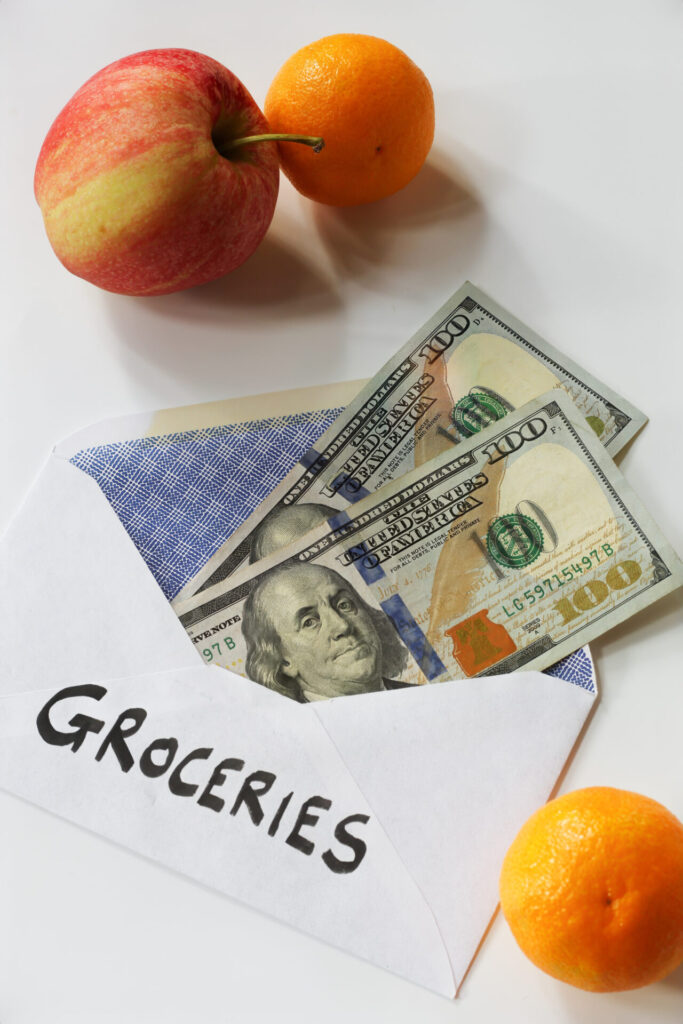
Tracking your grocery spending isn’t glamorous, but it works. Figure out how much you can spend on food each month without shortchanging other bills.
Try these methods:
- Use cash envelopes for each trip.
- Save your receipts and look them over weekly.
- Try a budget app if you’re techy.
If you blow your budget one week, dig into why. Did you grab too many convenience foods? Shop without a list? Spot the pattern and adjust.
Stretch your budget with these tricks:
- Hit up discount stores for pantry basics.
- Buy generic from Staples.
- Lean on cheap foods like beans, rice, and pasta.
Groceries get pricier in winter, and holidays can throw off your numbers.
Some monthly strategies:
- Set aside a little extra for pricier months.
- Keep a buffer for surprise deals.
- Revisit your budget every few months.
Treat your grocery list like a promise to yourself. Write down what you plan to buy and your spending limit—you’ll hold yourself accountable and stay on track.
See Related: Frugal Living Tips for Families That Can Save You $500 Every Month Without Sacrificing Fun
Core Staples For A Budget Grocery List

Building a smart grocery foundation starts with three categories that give you the most nutrition per dollar. These are the backbone of affordable, filling meals.
Affordable Grains And Carbohydrates

Rice is the MVP of frugal grains. I can snag a 20-pound bag for about $15, and it lasts ages. Brown rice packs in more fiber, but white rice cooks faster when you’re wiped out after work.
Pasta is dinner insurance. Grab a few boxes when they’re on sale for under a buck. Whole wheat pasta gives you more nutrition, but honestly, I buy what’s cheapest.
Oats aren’t just for oatmeal. Steel-cut oats cost a little more, but they’re super filling. Regular oats work in smoothies, stretch out meatloaf, or make overnight oats if mornings are hectic.
Flour lets you make bread, pizza dough, pancakes—you name it. All-purpose flour covers most recipes, and whole wheat flour is a nice nutrition boost.
Bread pricing is all over the place, so check the cost per ounce. I love the day-old rack for half-off deals. Freeze extra loaves if you find a bargain.
Ramen noodles aren’t just for broke college students. Skip the flavor packets and toss the noodles into stir-fries with veggies and protein.
Budget-Friendly Proteins

Eggs are a protein powerhouse for under $3 a dozen. I use them for breakfast, lunch, dinner, and baking. Grab the biggest carton that’s cheapest per ounce.
Dried beans and lentils are dirt cheap. Black beans, pinto, and chickpeas—they all make hearty meals. Lentils cook super fast and don’t need soaking.
Canned tuna is my go-to for quick protein, usually around $1 a can. Stock up during sales. Water-packed has fewer calories than oil-packed, if you care about that.
Chicken thighs beat breasts for price and flavor. Whole chickens stretch your dollar even further if you use every bit. Ground turkey is often cheaper than beef, and it’s leaner, too.
Ground beef goes further when you mix in beans or lentils. I buy in bulk when it’s on sale and freeze meal-sized portions.
Peanut butter delivers protein and comfort. The natural kind with just peanuts and salt? Way tastier, and you skip the weird additives.
Essential Dairy Picks

Milk prices bounce around, so I watch for sales. Powdered milk works in baking or cereal, if fresh gets pricey. Plant-based versions last longer unopened, but usually cost more.
Yogurt gives you probiotics and protein. Buy the big tubs—they’re way cheaper per serving than the little cups. Greek yogurt has more protein, but it’s usually pricier.
Cheese makes everything better. Block cheese costs less than shredded, and sharp cheddar or mozzarella covers most recipes.
Store brands for dairy are almost always just as good. The savings can hit $20 a month, easily.
Produce Picks: Cheap Fruits And Vegetables

Fresh produce doesn’t have to empty your wallet. You just need to know which items are the best bang for your buck. I’m all about bananas at 51 cents a pound, ten-pound bags of potatoes under $4, and carrots for a little over a buck.
Low-Cost Fruit Options

Bananas are the frugal hero at about 51 cents a pound. They’re breakfast, snacks, smoothies, and even “nice cream” when you freeze and blend them.
Apples usually run $1-2 a pound and keep for weeks in the fridge. Go for basic varieties like Red Delicious or Gala—skip the fancy ones.
Oranges are often less than a dollar each. They’re packed with vitamin C and work in salads, marinades, or just as-is.
Watermelon costs around $6 for a whole one, but it’ll feed your family for days. Buy it in season for the best deal.
| Fruit | Average Cost | Best Uses |
|---|---|---|
| Bananas | $0.51/lb | Breakfast, smoothies, baking |
| Apples | $1-2/lb | Snacks, oatmeal, desserts |
| Oranges | <$1 each | Juice, salads, marinades |
Economical Vegetables For Every Meal

Potatoes are the ultimate budget staple—ten pounds for under $4. They’re filling, super flexible, and last for months if you store them right.
Carrots come in just over a dollar a pound. Use them in soups, stir-fries, or as snacks. Whole carrots are cheaper than baby carrots, by the way.
Onions and garlic add flavor to almost everything. A bag of onions is about $2 and lasts for ages.
Cabbage is around 70 cents a pound, and one head goes a long way. Slaws, soups, or sautéed—so many options.
Sweet potatoes bring more nutrition than regular potatoes, and prices are usually similar. They’re naturally sweet and don’t need much else.
Peppers, spinach, and zucchini drop in price when they’re in season. Stock up and use them in pasta, omelets, or just grilled.
Frozen Produce For More Savings

Frozen veggies are a budget lifesaver. They’re 30-50% cheaper than fresh and last for months—plus, they’re picked at peak ripeness and flash-frozen, so you don’t lose nutrients.
Frozen corn is perfect for casseroles, salads, or as a side. A bag costs about $1 and stretches through multiple meals.
Frozen spinach cooks down a ton, so one package can replace several bunches of fresh.
Frozen veggie medleys give you variety with zero waste. Use what you need and toss the rest back in the freezer.
Mixed frozen veggies usually cost less per serving than buying everything fresh. They’re already washed and chopped, which saves precious time.
Stock up on store-brand frozen veggies during sales. They’re just as nutritious as name brands and way cheaper.
See Related: How to Create a Frugal Budget Plan Steps to Build Financial Freedom and Peace of Mind
Pantry Essentials For Frugal Cooking
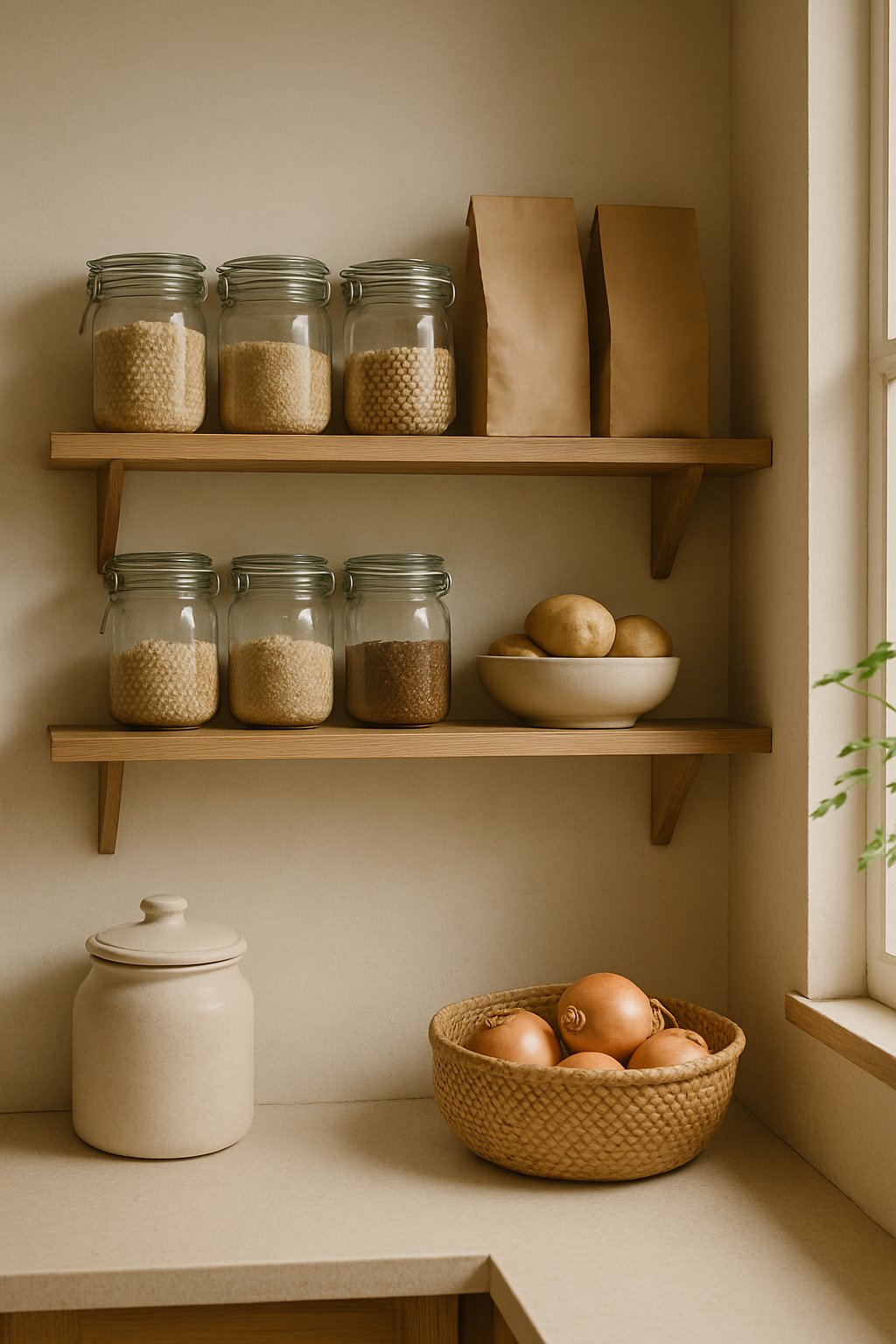
A well-stocked smart pantry is your secret weapon for saving money and dodging last-minute takeout. Canned tomatoes can turn into pasta sauce, a soup base, or the start of a hearty stew. The right condiments and seasonings make even humble ingredients taste amazing.
Canned Foods That Stretch Your Budget

Canned tomatoes are honestly a kitchen lifesaver. You can grab a big 28-ounce can for about $1.50 and squeeze out several meals from it, easily.
Whip up a fresh salsa by tossing canned diced tomatoes with onions and whatever spices you like. Those same tomatoes? They slide right into pasta sauce, chili, or even as the backbone for curry.
Canned beans? Don’t overlook them. Black beans, chickpeas, kidney beans—usually $0.89 a can—pack in protein and keep you full for ages.
Key canned essentials:
- Diced tomatoes (so many uses)
- Tomato sauce (pasta’s best friend)
- Beans (cheap protein)
- Corn (adds sweetness and crunch)
- Tuna (fast, lean protein)
You can stash these for 2-5 years if you don’t open them. Trust me, you’ll feel a lot less stressed about surprise guests or those “uh-oh, payday’s still days away” moments.
Condiments And Sauces That Go The Distance

A smart condiment shelf can turn blah meals into something you crave. Soy sauce runs about $2, but you’ll flavor a month’s worth of stir-fries and marinades with it.
Sugar isn’t just for cookies. I love making homemade granola with oats, honey, and a spoonful of sugar for that caramel crunch. You’ll spend $3 tops, way less than the $6 box from the store.
Flavor boosters you’ll want:
- Olive oil (for cooking and salads)
- Vinegar (perks up any meal)
- Hot sauce (for a kick)
- Mustard (sandwiches, sauces, you name it)
- Garlic powder (lazy flavor hack)
And hey, don’t knock popcorn kernels. Two bucks gets you enough for a month of movie nights—way cheaper than theater popcorn. Pop them in olive oil, sprinkle some salt, and you’ve got a snack for pennies.
These bottles and jars last forever. A $20 condiment haul can unlock hundreds of meal combos from even the plainest ingredients.
Meal Planning And Shopping Strategies

If you plan your meals and shop smart, you can slash your grocery bill by 40-60%. It’s all about building flexible meal “templates” around cheap staples and making every dollar work harder with batch cooking.
Building Flexible Meal Plans Around Staples

Start with cheap foods that stretch. Rice, dried beans, oats, and whatever veggies are in season should be your go-tos.
Instead of strict recipes, build three or four meal templates. For breakfast, just think “grain + protein + fruit.” Monday might be oatmeal with peanut butter and banana. Tuesday? Scrambled eggs, toast, and apple slices.
Weekly budget staples:
- Rice (white or brown) – $1.50/lb
- Dried beans or lentils – $1.20/lb
- Seasonal veggies – $0.75-$2.00/lb
- Eggs – $2.50/dozen
- Peanut butter – $3/jar
Get creative with leftovers. Roast chicken one night? Chop it up for chicken salad or make soup stock the next day. Bread going stale? Turn it into bread pudding or breadcrumbs.
Try to pick meals that use the same ingredients a few times. If you buy celery for soup, throw it in tuna salad, and snack on it with peanut butter. You’ll cut down on waste and stretch every dollar.
Smart Shopping Habits For Big Savings

Bring a calculator and set a hard spending cap before you even walk into the store. Write that number right on your list so you don’t forget.
Stick to the 80/20 rule: Spend 80% of your cash on fresh stuff around the store’s edge, then use the last 20% for shelf-stable pantry basics.
Always check unit prices, not just the sticker price. That big bag of rice? It costs more up front, but you’ll save $0.30 a pound compared to the little bags.
Shop when the deals drop. Early mornings or late evenings are prime time for markdowns on meat, produce, and bakery stuff. Get to know the staff—they’ll tip you off when the best sales hit.
Stock up when loss-leader sales pop up:
- Canned tomatoes under $0.75
- Pasta under $1/lb
- Chicken thighs under $1.50/lb
- Frozen veggies under $1.25/bag
Sure, use store loyalty apps, but don’t let them talk you into stuff you won’t eat before it expires.
Batch Cooking And Freezer Meals

Give yourself 2-3 hours on a weekend for batch cooking. Make big pots of rice, beans, and roast a tray of veggies—these become your weekday meal building blocks.
Freezer-friendly basics:
- Cooked ground meat with simple spices
- Chopped onions and peppers (freeze raw in bags)
- Homemade soup bases and broths
- Cooked beans and lentils in meal sizes
Double up on freezer-friendly meals like chili or soup. Freeze half right away in labeled containers.
Mix things up so you don’t get bored. That cooked chicken? Turn it into tacos, soup, or toss it on a salad.
Freeze small amounts of pricier stuff like cheese or meat. Portion it out so you only thaw what you need.
Use ice cube trays for tomato paste, broth, or herbs in oil. Pop out a cube whenever a recipe calls for just a little.
Bonus: Frugal Snack And Breakfast Ideas

Snacking and breakfast don’t have to wreck your budget. Fresh fruit is a cheap, easy snack, and breakfast basics like eggs and oatmeal fill you up without emptying your wallet.
Inexpensive Snacks For Kids And Adults

Popcorn is ridiculously cheap when you buy kernels in bulk. A $2 bag makes enough for weeks, way less than those single-serve snack packs.
Air-popped popcorn is about 25 cents a bowl. Salt or nutritional yeast makes it tasty for next to nothing.
Fresh fruit brings sweetness and nutrition without a huge price tag. Bananas, apples, and whatever’s in season are your best bets. Grab those ripe bananas on sale—they’re perfect for snacks or baking.
Tortillas are snack chameleons. Spread on peanut butter, roll it up, and you’ve got a filling treat. Or slice and bake them with salt for homemade chips.
Hummus with carrots or celery gives you a protein boost. If you make it from dried chickpeas, you’ll spend half what the store charges. One can of chickpeas? That’s about two cups of hummus.
Boil a dozen eggs on Sunday and you’ll have grab-and-go protein all week.
Budget-Friendly Breakfast Inspirations

Oatmeal is the king of cheap breakfasts. Under $3 for a big tub, and you’ll get 30 servings. Top it with frozen berries or a banana for sweetness.
Eggs are endlessly versatile. Scramble them with cheese, wrap them in a tortilla for a breakfast burrito, or just fry and serve with toast.
Cereal can be a budget win if you stick to store brands and snag sales. Generics taste nearly the same and cost half as much.
Homemade granola is another money-saver. Mix oats, honey, and whatever nuts or seeds you’ve got. Bake until golden and use as a crunchy topping.
Peanut butter toast is a classic—protein, filling, and under 50 cents a serving. Go for whole grain bread if you can; it keeps you full longer.
Make a batch of breakfast burritos with eggs, cheese, and tortillas. Wrap ‘em up and freeze for quick, hot breakfasts all week.
See Related: 30 Day Frugal Living Challenge Guide Achieve Financial Freedom Fast
Frequently Asked Questions
Let’s tackle some of the big questions about eating well on a budget. Real talk—these are the things I wish someone had told me when I started.
How can I create a nutritious yet budget-friendly grocery list for a single person?
Stick with ingredients that work in lots of meals. Eggs run about $3 a dozen and give you 12 servings of protein—breakfast, lunch, or dinner.
Buy a whole chicken for $5-$ 7 instead of just the breasts. You’ll get several meals, plus bones for broth. Freeze what you can’t eat right away.
Pick nutrient-dense foods like spinach, sweet potatoes, and beans. A $2 bag of dried beans gives you 8-10 servings of cheap protein and fiber.
Oats are a breakfast staple—$3 for a big container. Mix in bananas, peanut butter, or honey for variety without spending more.
What tips can you suggest for maintaining a frugal grocery budget for a household of two?
Plan meals around ingredients you can use again and again. Ground turkey works in tacos, pasta, and breakfast hash.
Buy the big packages and freeze half. That $5 bag of rice? It’ll last two people for months if you store it right.
Always check your pantry before you shop. Odds are, you’ve got flour, pasta, or canned tomatoes you can build meals around.
Bulk buy non-perishables like peanut butter, honey, and dried goods. Bigger sizes almost always mean better value.
What are some staple items I should always include in my budget-conscious grocery shopping?
Eggs, milk, and bread—these are your meal MVPs. You can make a ton of different things for under $10.
Stock up on rice, beans, and pasta. They cost pennies per serving and keep you full.
Onions and garlic? Keep them on hand. They last for weeks and make everything taste better.
Tuna, ground beef, and chicken are versatile proteins. A can of tuna is $1 and gives you two lean servings.
And don’t skip frozen veggies—they’re often cheaper than fresh, last longer, and keep their nutrients.
Could you share strategies on how to plan a cost-effective monthly grocery list?
Figure out your cost per meal. Shoot for $2-3 per person for breakfast and lunch, $4-5 for dinner.
Base meals around what’s in season and on sale. Apples are $1/lb in fall but jump to $3 in spring—plan accordingly.
Make a master list of 20-30 cheap meals everyone likes. Rotate them to keep things interesting and avoid decision fatigue.
Buy proteins in bulk when they’re discounted. Freeze ground beef in 1-pound packs or chicken in meal portions.
How might a family of four manage their grocery spending while still eating healthy?
Set a weekly budget—$120-150 for a family of four is doable. That’s about $4-5 per person, per day.
Make beans and lentils your protein heroes. You’ll feed the whole family for $3-4, way less than meat-heavy meals.
Use veggies to bulk up meals. Carrots and celery in pasta sauce make it go further and fill everyone up.
Get your kids involved in meal planning. If they help pick, they’re more likely to eat it, and you’ll waste less food.
What are some practical ways to save money on weekly grocery bills without sacrificing quality?
Hit the store early in the morning or swing by late at night—trust me, that’s when you’ll spot the best markdowns on meat and produce. Stores love to discount items that are about to hit their sell-by date, and if you’re flexible, you can snag some real steals.
When it comes to basics like flour, sugar, or canned tomatoes, I always reach for the generic brands. Why pay more for a fancy label? You’ll usually save 20-30%, and honestly, I can’t taste the difference.
Don’t toss those scraps! Potato peels? Roast them into crispy chips. Got a pile of carrot ends and onion skins? Simmer them into a broth that’ll blow those boxed versions out of the water.
Skip the processed stuff. A block of cheese is almost always cheaper per pound than the shredded bags, and buying a whole chicken (yes, bones and all) beats those tidy boneless breasts for price and flavor.
I like to jot down what I spend—just a quick note in my phone or a scrappy notebook. Seeing where my cash goes makes it way easier to spot leaks in my budget, and I can tweak things next time.
Leave a Reply