
Managing money with irregular income used to keep me up at night. I’d watch my bank balance swing wildly each month, never knowing if I could cover my bills.
After years of financial stress, I discovered that budgeting with uneven paychecks isn’t impossible. It just requires a different approach. The best strategy is to budget based on your lowest monthly income, ensuring you can always cover essential expenses no matter what.

Freelancing taught me to identify my true financial baseline. I tracked my spending for three months and separated needs from wants.
This clarity helped me build a safety net during good months to cover the lean ones. Now I sleep better knowing my budget works with my income patterns, not against them.
Your irregular income doesn’t have to mean irregular financial stability. With the right system, you can achieve your financial goals even when your paychecks vary. I’ve found that creating a priority-based spending plan helps direct money to essentials first, then to savings and extras when the money flows more freely.
Understanding Irregular Income

Irregular income can be challenging to manage, but you can create a stable financial plan with the right approach. Understanding your income patterns and recognizing different types of variable income are essential first steps to building an adequate budget.
Identifying Your Income Patterns

Start by tracking your income for the past 6-12 months. This gives you a clear picture of your financial reality. Look for seasonal trends or busy periods in your work cycle.
For example, freelance writers might notice more work during holiday seasons, while landscapers may earn more during spring and summer. These patterns aren’t random – they’re valuable insights.
Create a simple spreadsheet or use a budgeting app to record when money comes in. Pay attention to:
- Highest and lowest earning months
- Average monthly income
- Time gaps between payments
- Recurring clients or income sources
Understanding these patterns helps you predict lean periods and prepare accordingly. You can set aside money during abundant times to cover expenses when income dips.
Types of Irregular Income

Irregular income comes in many forms, each with unique budgeting challenges. Freelancers often deal with project-based income, completing work and receiving payment in chunks rather than steady paychecks.
Commission-based workers might have a small base salary plus variable amounts based on performance. Real estate agents, sales professionals, and retail workers with fluctuating hours fall into this category.
Seasonal workers face extreme income variations:
- Summer tour guides
- Tax preparers (busy January-April)
- Holiday retail staff
- Construction workers in cold climates
Gig economy workers (Uber drivers, food delivery drivers) experience daily income fluctuations based on demand and hours worked. Small business owners often pay themselves last after covering business expenses.
Multiple income streams can provide stability but require careful tracking. A part-time steady job and freelance work create a financial safety net worth considering.
Setting Up Your Basic Budgeting Framework

Creating a solid budget structure is key when your income varies monthly. You need to identify what you must pay for and understand the difference between expenses you can control and those you can’t.
Determining Your Essentials

Start by listing all your necessary expenses – these are things you can’t live without. This includes:
- Housing (rent/mortgage)
- Utilities (electricity, water, gas)
- Food (groceries, not eating out)
- Transportation (car payment, gas, public transit)
- Insurance premiums
- Minimum debt payments
When planning, use your lowest monthly income as your baseline. This conservative approach ensures you can always afford the basics.
Don’t forget to include savings as an essential! Try the 50/30/20 rule – 50% for needs, 30% for wants, and 20% for savings and debt repayment beyond minimums.
Set aside weekly “finance time” to review your budget and track spending. This habit helps you stay connected to your money situation when income is unpredictable.
Fixed Costs vs. Variable Costs

Understanding the difference between fixed and variable costs helps you know where you have flexibility:
Fixed costs don’t change month to month:
- Rent/mortgage
- Car payments
- Insurance premiums
- Subscription services
Variable costs change based on your usage or choices:
- Groceries
- Utilities
- Gas
- Entertainment
- Clothing
When income is low, you can adjust variable costs quickly. For example, you could cook at home more or reduce electricity usage.
Consider keeping separate accounts for different purposes. For example, you might have one account for fixed expenses and another for variable spending.
Build an emergency fund with any extra income during good months. This creates a buffer for leaner times and reduces stress when paychecks are unpredictable.
See Related: Frugal Shopping Tips That Transformed My Budget and Lifestyle
Managing Essential Expenses

Handling your essential expenses first is crucial when dealing with an irregular income. These must-pay bills keep a roof over your head, food on your table, and the lights on—regardless of how much money comes in this month.
Housing: Rent and Mortgage

Your housing payment is likely your largest expense, making it the priority in your budget. Aim to set aside this money as soon as income arrives. If possible, try to build a one-month buffer for your housing payment.
Consider these strategies:
- Pay ahead when possible: During high-income months, try to get your mortgage or rent one month ahead.
- Communicate with landlords: If you’re facing a tight month, talking to your landlord before the due date can sometimes lead to flexibility.
- Explore payment dates: Some mortgage companies allow you to change your payment date to better align with your income schedule.
Having housing expenses covered provides peace of mind and creates a stable foundation for the rest of your budget. Remember that housing should ideally stay below 30% of your income to remain sustainable long-term.
Utilities and Insurance

These essentials keep your home functioning and protect you from financial disasters. Unlike housing costs, many utilities fluctuate monthly.
Track your utility patterns:
- Keep records of your highest bills throughout the year
- Budget for your worst-case scenario amount
- Set aside any surplus during low-usage months
For insurance payments, consider:
- Paying annually if you get a discount and can afford it
- Setting up a dedicated savings account for quarterly or semi-annual premiums
- Shopping around yearly to ensure you’re getting the best rates
Many insurance companies offer payment plans specifically designed for irregular incomes. Ask about quarterly payments or adjusting due dates to match your income patterns.
Food and Transportation

These daily necessities require careful planning when your income varies. For food expenses:
- Create a base meal plan with affordable staples
- Keep a well-stocked pantry of non-perishables for tight months
- Adjust your grocery budget up during good income periods (but freeze extras for later)
- Use cash envelopes or a dedicated debit card to prevent overspending
Transportation costs can be managed by:
- Setting aside money for regular maintenance
- Building a repair fund during high-income periods
- Carpooling or using public transit when possible
- Planning trips efficiently to save on fuel
Both categories have flexible elements. During lean months, you can reduce restaurant visits and unnecessary travel. During abundant months, replenish your pantry and catch up on vehicle maintenance.
Creating a Safety Net

Having money set aside for unexpected expenses becomes even more critical when your income fluctuates. A solid safety net protects you during lean months and helps you sleep better at night, knowing you’re prepared for financial surprises.
Emergency Fund Basics

An emergency fund is your financial buffer against life’s unpredictable moments. This dedicated savings account should be separate from your regular checking account to avoid the temptation of dipping into it for non-emergencies.
Start small if you need to. Even $500 can help with minor emergencies like car repairs or medical co-pays. The key is consistency – try contributing something with each paycheck, even if it’s just $25 or $50.
Make this money easily accessible but not too accessible. Consider a high-yield savings account, which offers better interest rates than regular savings accounts and allows you to withdraw funds quickly when needed.
Automate your contributions whenever possible. Setting up automatic transfers on payday helps build your fund before you have a chance to spend the money elsewhere.
How Much to Save

For those with irregular income, aim higher than the standard recommendation. While many financial experts suggest 3-6 months of expenses, freelancers and contractors often benefit from having 6-12 months saved.
Calculate your bare-bones budget first – the minimum needed to cover expenses like housing, utilities, food, and transportation. This number becomes your monthly target for emergency savings.
Track your income patterns to identify your “dry seasons.” If you typically see business slow down during certain months, plan to have extra savings before these periods arrive.
Prioritize building this fund before focusing on other financial goals. This safety net reduces stress during income gaps and prevents you from going into debt when work is scarce.
Remember that building your emergency fund is a marathon, not a sprint. Celebrate small milestones along the way to stay motivated.
Tools and Techniques for Budgeting with Irregular Income

Managing finances with unpredictable income requires special tools and methods to help you stay on track. Both modern digital solutions and traditional techniques can make budgeting easier when your paychecks vary from month to month.
Using Budgeting Apps and Software

Several budgeting apps are specifically designed to handle irregular income patterns. Apps like YNAB (You Need A Budget) use a “give every dollar a job” approach that works well when your income fluctuates. Mint and Personal Capital offer free expense tracking and can help you visualize spending trends over time.
Look for apps with flexible budget categories that adapt when your income changes. The best ones let you:
- Create multiple income streams
- Roll over unused funds
- Set up “income holding” categories
- Track progress toward savings goals
Many freelancers find that apps with forecasting features help them prepare for lean months. For example, QuickBooks Self-Employed tracks income and potential tax obligations—essential if you’re responsible for quarterly tax payments.
Try connecting your accounts to these tools for automatic transaction imports. This saves time and helps you spot spending habits you might otherwise miss.
Traditional Budgeting Techniques

The envelope system remains effective for variable income. Set up physical or digital envelopes for essential expenses like housing, food, and utilities. When income arrives, fill these envelopes first before allocating money to non-essentials.
Many successful irregular income budgeters use these proven methods:
- Zero-based budgeting: Assign every dollar a purpose when it arrives
- Paying yourself first: Transfer a set percentage to savings immediately
- Priority-based spending: List expenses by importance and fund them in order
The “minimum income” approach works well, too. Calculate your lowest expected monthly income and build your budget around that figure. Any extra income goes toward savings or non-essential spending.
Use a separate bank account as a “holding tank” for incoming money. Pay yourself a consistent “salary” from this account to create stability despite income fluctuations.
Setting and Achieving Savings Goals

Savings goals give your financial plan direction and purpose, especially when your income fluctuates monthly. Creating clear targets helps you stay motivated and make the most of your money, even when paychecks aren’t consistent.
Short-Term vs. Long-Term Goals

Short-term goals typically cover needs within the next 1-3 years. These might include building an emergency fund (aim for 3-6 months of expenses), saving for a vacation, or purchasing new appliances. These goals help you avoid debt when unexpected expenses arise.
Long-term goals extend beyond 3 years. These could include buying a home, retirement savings, or funding your child’s education. These bigger goals might seem intimidating with irregular income, but they’re achievable!
Try creating a simple table to organize your goals:
| Timeframe | Goal | Target Amount | Monthly Contribution |
|---|---|---|---|
| Short-term | Emergency Fund | $6,000 | $200 |
| Long-term | Retirement | $500,000 | $300 |
Remember that even small contributions add up over time. You can boost your contributions during higher-income months to compensate for leaner periods.
Prioritizing Your Goals

Not all savings goals are created equal. Emergency funds should be your priority—they provide a financial buffer during low-income periods and prevent debt when unexpected expenses arise.
After securing your emergency cushion, balance your priorities based on urgency, importance, and timeline. Ask yourself: “What would happen if I don’t reach this goal on time?” This helps identify your true priorities.
Consider using the 50/30/20 rule as a starting point: 50% of your income goes to needs, 30% to wants, and 20% to savings and debt repayment. With irregular income, you might adjust this during high-earning months to catch up on savings.
Don’t try to tackle everything at once. Focus on 2-3 key goals at a time to maintain momentum and see real progress. Success with smaller goals builds confidence to tackle bigger ones!
Automating Your Savings

Automation is your best friend when dealing with irregular income. Please set up a system where money moves automatically to your savings accounts when it hits your checking account.
Many banks allow you to create multiple savings accounts for different goals. Name each account according to its purpose—”Hawaii Vacation” or “New Car Fund”—to make your goals feel more real and reduce the temptation to dip into them.
Try the “pay yourself first” approach: automatically transfer a percentage of each paycheck to savings before spending it. Even 5-10% makes a difference over time.
For truly irregular income, consider using percentage-based transfers rather than fixed amounts. On good months, you’ll save more; on tighter months, you’ll save less, but you’ll always be making progress.
Most banking apps now offer automated savings features that round up purchases to the nearest dollar and save the difference, or analyze your spending patterns to identify safe amounts to transfer to savings.
See Related: Top Frugal Living Tips With a Big Impact That Will Transform Your Finances and Life
Adjusting Your Spending Habits

When income fluctuates, spending habits need to be flexible, too. Smart adjustments to daily spending can create financial stability even when paychecks aren’t consistent.
Cutting Unnecessary Costs

Start by tracking every expense for a month. This eye-opening exercise often reveals spending leaks you didn’t notice before. Apps like Mint or YNAB can make this process easier.
Look carefully at subscriptions. Many people spend $100+ monthly on streaming services, meal kits, and other recurring charges they barely use. Cancel what you don’t need and pause services during tight months.
Food spending is typically one of the biggest budget categories. To reduce costs, try meal planning around sales, buying in bulk, and cooking at home. I’ve found that preparing lunches instead of buying them saves about $50 weekly.
Non-essential expenses like daily coffee runs, impulse purchases, and unnecessary shopping can drain your finances. Consider using the 24-hour rule: wait a day before buying anything non-essential.
Smart Spending Decisions

Prioritize spending based on actual needs versus wants. Create three categories for expenses:
- Must-haves: Rent, utilities, food, insurance
- Nice-to-haves: Cable TV, dining out occasionally
- Can-wait items: New clothes, electronics upgrades
During lean months, only spend on must-haves. When income increases, don’t immediately upgrade your lifestyle. Instead, catch up on savings goals first.
Timing purchases strategically helps, too. Buy seasonal items off-season (e.g., winter coats in summer, holiday decorations in January). Shop sales cycles for groceries and household items.
Consider a cash envelope system for problem spending areas. When the cash is gone, spending stops until next month. This creates natural boundaries that help control impulse purchases when your income varies.
Dealing with Taxes and Irregular Income

Proper tax preparation is one of the biggest challenges when income fluctuates. You need to plan so that tax time doesn’t become a financial emergency.
Estimating Taxes

When you earn irregular income, you won’t have an employer withholding taxes from your paychecks. This means you’re responsible for calculating what you’ll owe. A good starting point is looking at last year’s tax return to gauge your tax rate.
Setting aside 25-30% of income for taxes is a safe estimate for most self-employed people. This covers income and self-employment taxes (about 15.3% for Social Security and Medicare).
Use the IRS tax withholding estimator tool online to get a more precise figure based on your situation. This helps prevent surprises when tax time arrives.
Remember that your tax rate may change if your income fluctuates significantly. As you move into higher tax brackets, your tax percentage might increase during high-earning months.
Setting Aside Money for Taxes
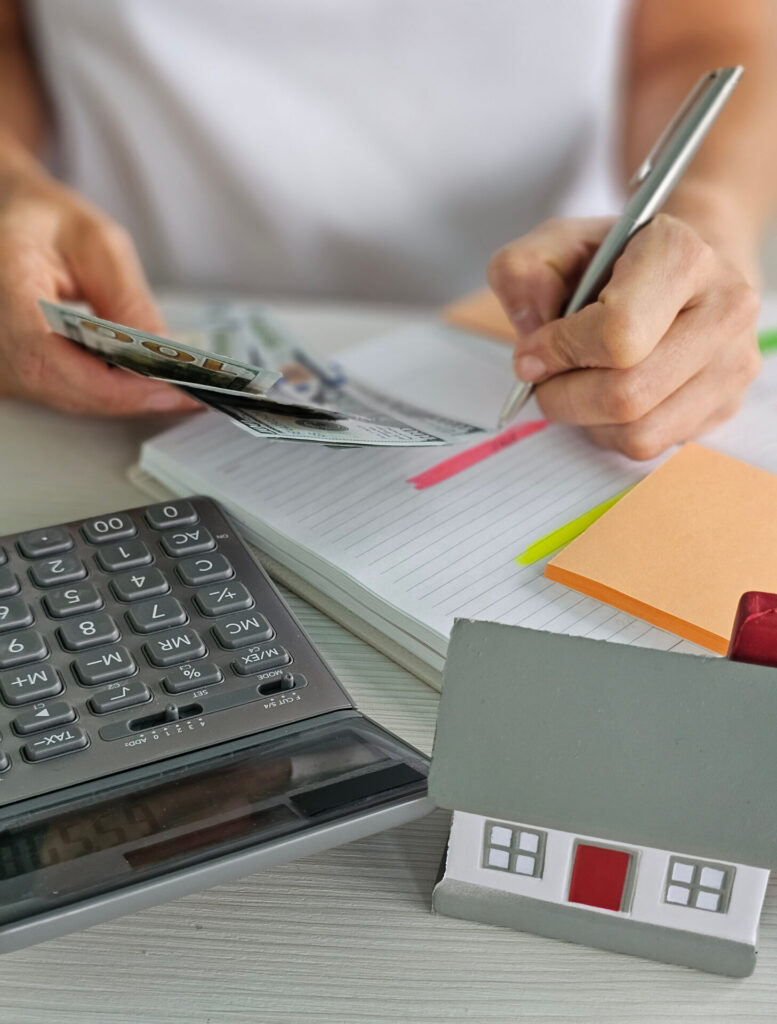
Create a separate savings account specifically for taxes. This keeps tax money separate from your spending money, reducing the temptation to use it.
After each payment you receive, immediately transfer your tax percentage to this dedicated account. For example, if you receive $1,000 for a project, immediately transfer $250-300 to your tax account.
Pay quarterly estimated taxes if you expect to owe $1,000 or more. The IRS requires these payments in April, June, September, and January. Missing these deadlines can result in penalties.
During lean months, you might feel tempted to skip setting aside tax money. Don’t fall into this trap! It’s much harder to catch up later than to maintain the habit consistently.
Consider working with a tax professional who specializes in helping people with irregular income. They can help you find deductions and create a tax strategy.
Seeking Professional Advice

Sometimes managing an irregular income requires expertise beyond what we can figure out independently. Getting help from financial experts can provide personalized strategies and accountability to keep your budget on track.
When to Consult a Financial Coach

If you’ve tried budgeting on your irregular income but still struggle to make ends meet, it might be time to seek professional guidance. A financial coach can help when:
- You’re constantly dipping into savings to cover basic expenses
- Your debt is growing despite your best efforts
- You feel overwhelmed by financial decisions
- Your income fluctuates dramatically from month to month
Financial coaches specialize in creating personalized money management systems. Unlike financial advisors who focus on investments, coaches work with you on day-to-day money habits and practical budgeting skills.
The cost of hiring a coach varies widely, from $75 to $300 per session. Many offer package deals or sliding scale fees based on your income.
Benefits of Professional Financial Planning

Working with a financial professional brings structure to your unpredictable income situation. Here’s what you can gain:
- Customized budgeting systems designed specifically for your income pattern
- Accountability to help you stick with your financial goals
- An objective perspective on spending habits you might not notice yourself
- Tax planning strategies that accommodate your irregular earnings
Many people report feeling less anxious about money after working with a professional. Your financial coach can help separate emotional spending decisions from practical ones.
You don’t need to commit long-term. Even a single session can provide valuable insights and a framework you can follow independently. Many coaches offer free initial consultations to see if they’re a good fit for your needs.
See Related: Tips to Be Frugal With Your Checking Account and Supercharge Your Savings
Frequently Asked Questions

Navigating irregular income comes with unique financial challenges. Here are answers to common questions that can help you create stability even when your paycheck isn’t predictable.
Can you offer tips on creating a budget when your income fluctuates throughout the year?
Start by identifying your baseline expenses – the minimum you need to survive each month. This includes rent, utilities, groceries, and debt payments.
Track your income for several months to find your average monthly earnings. When budgeting, use your lowest earning month as your baseline rather than the average. This creates a safety buffer.
Use a two-budget system for minimum expenses and another for months when you earn more. Any extra income can go toward savings, debt repayment, or discretionary spending in that order.
What strategies could someone use to manage their finances when they can’t predict their monthly income?
Build a buffer account that holds 1-3 months of essential expenses. This is your personal “income stabilizer” that you can draw from during lean months.
Prioritize your spending using the “needs first” approach. Pay essential bills first, then move to wants and savings goals when extra money comes in.
Consider moving bills to credit cards with good rewards (only if you can pay in full each month). This gives you flexibility on exact payment timing while earning points or cash back.
How might someone set aside savings when dealing with variable income from month to month?
Save immediately when you receive money, before you have a chance to spend it. Even small amounts add up – try saving 5-10% of each payment you receive.
Create separate savings accounts for different purposes—an emergency fund, taxes, business expenses, and personal goals. This will prevent you from dipping into important savings.
During high-income periods, save aggressively. Think of these as your “harvest” when you can store away resources for leaner months.
Are there any tools or templates to help manage finances when dealing with an unpredictable salary?
Apps like YNAB (You Need A Budget) are specifically designed for variable incomes. They focus on budgeting the money you have, not what you expect to earn.
Spreadsheet templates can be customized to track irregular income. Google Sheets and Microsoft Excel offer free budget templates that can be modified. Banking apps with automatic saving features, like Qapital or Chime, can help you set aside money based on rules you create, not just regular transfers.
What’s the best way to plan for significant, infrequent expenses when you can’t count on a steady paycheck?
Create sinking funds for irregular expenses like car repairs, insurance premiums, or holiday spending. Set aside small amounts regularly toward these goals.
Use the “annual expenses” method. List all your yearly expenses, divide by 12, and try to set aside that amount monthly so you’re prepared when bills come due.
When you have higher-income months, allocate a portion to upcoming significant expenses rather than increasing your lifestyle spending.
How to Effectively Use a Zero-Based Budget Approach with an Irregular Income
With zero-based budgeting on irregular income, you should assign every dollar a job as soon as you receive it. Start by listing your essential expenses, then move to other categories.
Create a “budget priority list” that ranks all your expenses from most to least important. When money comes in, allocate it according to this list until you run out.
In your zero-based budget, keep a buffer category for income shortfalls. This acts like a mini emergency fund for months when income doesn’t cover all necessities.
Leave a Reply