
Home insurance is necessary, but doesn’t have to break the bank. When I first bought my house, I was shocked at how much my homeowner’s insurance cost each month. After researching and testing different strategies, I discovered several ways to lower those premiums while maintaining good coverage.

You can reduce your home insurance costs by making simple changes like increasing your deductible, bundling policies, and asking about available discounts. Raising my deductible from $500 to $1,000 saved me nearly 25% on my annual premium. That money went straight into my emergency fund instead!
Home security improvements can also lead to meaningful savings. Installing smoke detectors, security systems, and storm shutters protects your property and often qualifies you for insurance discounts.
Many companies offer lesser-known discounts too – from paperless billing credits to loyalty rewards – so it’s worth asking what’s available. Your wallet will thank you!
Understanding Home Insurance Basics

Before diving into money-saving strategies, it’s essential to understand what you’re paying for. Home insurance provides financial protection against various risks to your property and possessions, with different coverage types serving specific purposes.
What Is Home Insurance?

Home insurance (also called homeowners insurance) is a policy that covers damage to your house and belongings from specific perils. It also provides liability coverage if someone gets hurt on your property.
Think of home insurance as a safety net. When unexpected events like fires, storms, or theft happen, your policy helps you recover financially instead of paying everything out of pocket.
Most mortgage lenders require you to have home insurance. Even if you own your home outright, going without insurance risks your most significant investment.
Your premium is the amount you pay for coverage, usually monthly or annually. This cost varies based on many factors, including your home’s value, location, and the coverage limits you choose.
Key Components of Home Insurance Policies

Home insurance policies typically include several essential parts:
- Dwelling coverage: Pays for repairs to your actual house structure if damaged by covered perils.
- Personal property protection: Covers your belongings like furniture, electronics, and clothing.
- Liability coverage: Protects you if someone is injured on your property or if you accidentally damage someone else’s property.
- Additional living expenses: Pays for hotel stays and other costs if you can’t live in your home after a covered loss.
Your policy will have deductibles – the amount you pay before insurance. Higher deductibles mean lower premiums but more out-of-pocket costs when filing a claim.
Types of Coverage

Home insurance comes in different forms, labeled HO-1 through HO-8. Most homeowners have an HO-3 policy covering their home for all perils except those specifically excluded.
Actual Cash Value coverage pays the depreciated value of damaged items. For example, your 5-year-old TV might only be worth half its original price.
Replacement Cost coverage pays what it costs to replace items at today’s prices. This costs more but provides better protection.
Some valuable items, such as jewelry or art, may need additional coverage through “riders” or “floaters,” as standard policies have limits for specific categories.
Flood and earthquake damage usually require separate policies, as standard homeowners insurance doesn’t cover these events.
Factors Affecting Home Insurance Premiums

Understanding what drives your home insurance costs can help you find ways to lower your premiums. Insurance providers consider several key factors when calculating how much you’ll pay, from your personal financial history to where your home is located.
How Insurance Providers Set Rates

Insurance companies assess risk when determining your premium. The age and condition of your home play a significant role in this calculation. Older homes often cost more to insure because they may have outdated electrical systems, plumbing, or roofing, increasing the chance of claims.
The replacement cost of your home, not its market value, heavily influences your rates. This includes the materials and labor needed to rebuild your home if it is damaged or destroyed.
Your claim history matters too. Filing multiple claims within a few years can raise your premium significantly. Some insurers offer claim-free discounts if you haven’t filed a claim in 3-5 years.
Your deductible amount directly affects your premium. Raising your deductible from $500 to $1,000 could save you up to 25% on your premium, though you’ll pay more out-of-pocket when making a claim.
Influence of Credit Score on Premiums

Your credit score can significantly impact your home insurance rates. Insurance companies often use credit-based insurance scores to predict how likely you are to file claims. Research shows people with lower credit scores tend to file more claims.
In most states, insurers can use your credit information to determine premium costs. Those with excellent credit may pay half what someone with poor credit pays for the same coverage.
To improve your insurance rates:
- Pay bills on time
- Keep credit card balances low
- Check your credit report annually for errors
- Limit new credit applications
Some states have restricted or banned using credit scores in insurance pricing. Check to see if your state has these protections in place.
Impact of Location and Natural Disasters

Where you live significantly affects your insurance costs. Homes in areas prone to natural disasters like hurricanes, wildfires, floods, or tornadoes face higher premiums due to increased risk.
Coastal properties often have much higher insurance rates than similar inland homes. For example, Florida and Louisiana typically have some of the highest homeowners insurance rates due to hurricane risk.
Your neighborhood matters too. Areas with high crime rates or far from fire stations can increase your premium. Conversely, living near a fire hydrant or in a community with a professional fire department can reduce costs.
Special considerations by region:
- Wildfire zones: California, Colorado, Arizona
- Hurricane areas: Florida, Louisiana, Texas coast
- Tornado alley: Oklahoma, Kansas, Nebraska
- Flood-prone regions: Louisiana, Florida, Texas
Standard policies often exclude flood damage, requiring separate coverage through the National Flood Insurance Program or private insurers.
See Related: Can You Be Frugal and Rich: Wealth-Building Habits That Save Thousands
Maximizing Discounts and Deals

Insurance companies offer numerous ways to lower your premium costs if you know where to look. Taking advantage of these opportunities can lead to significant savings on your home insurance without sacrificing coverage quality.
Bundling Insurance Policies

One of the easiest ways to save money is by bundling multiple insurance policies with the same company. Combining your home and auto insurance can save between 5% and 25% on both policies. Many insurers, like AAA and State Farm, offer these multi-policy discounts.
For example, if you pay $1,200 annually for home insurance and $900 for auto insurance, a 15% bundle discount could save you $315 annually. That’s money back in your pocket!
Don’t stop at just auto insurance. Ask about additional savings for including life, umbrella, or boat policies in your bundle. Some companies even offer increasing discount percentages based on how many policies you combine.
Loyalty and No-Claims Discounts

Staying with the same insurer for several years can lead to valuable loyalty discounts. Many companies reward customer retention with 5-10% premium reductions after 3-5 years.
No-claims discounts are another money-saver. Ask about claim-free discounts if you haven’t filed a claim in 3-5 years. These can reduce your premium by up to 20% with some insurers.
Be strategic about small claims. Sometimes it’s better to pay out-of-pocket for minor damages rather than filing a claim that could affect your no-claims status.
Remember to review your policy regularly. Loyalty is good, but comparing rates yearly ensures you’re still getting the best deal possible.
Discounts for Security Systems and Upgrades

Installing home security devices can significantly reduce insurance costs while protecting your home. Most insurance companies offer discounts of 5-20% for security features.
Security measures that typically earn discounts:
- Monitored alarm systems (5-15% discount)
- Smoke detectors and carbon monoxide alarms (5% discount)
- Deadbolt locks (5% discount)
- Security cameras (5-10% discount)
- Water leak detection systems (5-15% discount)
Making your home more disaster-resistant can also lead to savings. Impact-resistant roofing, storm shutters, and updated electrical systems can qualify for additional 5-15% discounts.
Ask your insurance agent for a complete list of qualifying security improvements. The upfront cost of these upgrades often pays for itself through insurance savings and increased home safety.
Shopping Smart for Home Insurance

Finding the right home insurance at the best price requires research and understanding your options. Taking time to compare providers, deductibles, and available discounts can lead to significant savings while maintaining proper coverage for your home.
Comparing Insurance Providers

Shopping around is one of the most effective ways to save on home insurance. Different companies offer varying rates for the same coverage, so don’t settle for the first quote you receive.
Get at least three quotes from different insurance providers. Many companies now offer online quote tools that make this process quick and convenient. You can also work with an independent insurance agent who can gather multiple quotes for you.
When comparing, make sure you’re looking at similar coverage levels. Some policies might seem cheaper but offer less protection. Look for insurers specializing in your home type or location, as they might offer better rates.
Don’t forget to check if bundling your home and auto insurance with the same company provides a discount. Many homeowners save 10-25% with this simple strategy.
Understanding and Comparing Deductibles

Your deductible is the amount you pay out-of-pocket before insurance kicks in. Choosing the right deductible can significantly impact your premium costs.
How Deductibles Affect Premiums:
- Lower deductible = Higher premium
- Higher deductible = Lower premium
Raising your deductible from $500 to $1,000 could save you 15-25% on your premium. Consider how much you could pay in an emergency before selecting a higher deductible.
Some policies have separate deductibles for different types of claims. Wind, hail, and hurricane damage might have special percentage-based deductibles in high-risk areas. Make sure you understand these details before choosing a policy.
Keep your emergency fund in mind when setting deductibles. Having savings to cover your deductible means you can confidently choose a higher amount and enjoy the premium savings.
Checking for Group Affiliation Discounts

Many insurers offer special discounts based on your affiliations. These savings are often overlooked but can add up quickly.
Common Discount Affiliations:
- Professional organizations
- Alumni associations
- Employers
- Military service
- Senior citizens
- Credit unions
Ask about these discounts, as agents don’t always mention them automatically. Even membership in certain warehouse clubs or professional associations can qualify you for insurance discounts.
Some employers provide access to group rates on home insurance as part of their benefits package. Check with your HR department to see if this option is available.
Evaluating Customer Reviews and Ratings

The cheapest insurance isn’t always the best value. Research company reputations before making your final decision.
Check A.M. Best, Moody’s, or Standard & Poor’s financial strength ratings. These ratings indicate how likely an insurer is to remain solvent and pay claims.
Read customer reviews focusing on claims experiences. Look for patterns in the feedback. Does the company process claims quickly? Are adjusters fair and responsive?
The National Association of Insurance Commissioners (NAIC) provides complaint ratios that show the number of complaints each insurer receives relative to its size. Lower ratios indicate better customer service.
J.D. Power’s home insurance satisfaction studies can also help you gauge how well companies treat their customers. Remember that paying slightly more for an insurer with excellent service can save you stress and money when you need to file a claim.
See Related: Frugal Shopping Tips That Transformed My Budget and Lifestyle
Strategic Approaches to Filing Claims

Making smart decisions about when and how to file insurance claims can significantly impact your home insurance premiums. The right approach balances getting coverage when you truly need it while avoiding unnecessary claims that could raise your rates.
When to File a Home Insurance Claim

Before calling your insurance company, evaluate whether filing a claim makes financial sense. Consider your deductible carefully. If the repair cost is slightly higher than your deductible, you might be better off handling it yourself.
For example, paying out-of-pocket could be wiser if your deductible is $1,000 and the damage costs $1,200 to fix. The $200 savings might not be worth the potential premium increase that could follow.
Keep in mind that insurance is best used for significant losses. Major damage from fires, severe storms, or extensive water damage typically warrants claims.
Small issues like minor leaks or cosmetic damage can be handled better without involving your insurer. This selective approach helps maintain your claims-free discount.
Navigating the Claims Process

Document everything thoroughly before contacting your insurance company. Take clear photos of all damage from multiple angles and make detailed notes about what happened.
Create an inventory of damaged items with approximate values. Having receipts or proof of purchase for valuable items strengthens your claim significantly.
Understand your policy limits and coverage details before filing. Many homeowners are surprised to learn that specific items might have coverage caps or exclusions.
Don’t hesitate to ask questions during the process. Request clarification about timelines, required documentation, and how the payout works.
Stay organized by keeping all claim-related communications in one place. This helps if you reference previous conversations with adjusters or company representatives.
Minimizing Claims to Preserve Lower Premiums

Insurance companies track your history; frequent claims can increase premiums or lead to policy non-renewal. Most insurers look at claims filed within the past 3-5 years.
Consider setting up a dedicated home repair emergency fund to handle smaller issues without filing claims. Even $50-100 set aside monthly can build a substantial cushion over time.
Be strategic with maintenance to prevent avoidable claims. Regular roof inspections, prompt plumbing repairs, and updating electrical systems can prevent costly damage.
Many insurers offer claim-free discounts that can reduce your premium by 10-20%. These savings compound yearly when you maintain a clean claims record.
Remember that insurance score calculations often weigh recent claims more heavily. The longer you go without filing, the better your insurance profile becomes and the more you’ll save on homeowners insurance.
Long-Term Strategies for Lower Insurance Costs

Reducing your home insurance costs isn’t just about quick fixes. These long-term approaches can lead to substantial savings while maintaining the protection your home needs.
Maintaining a Strong Credit Profile

Your credit score has a surprising impact on your insurance rates. Most insurers use credit-based insurance scores to determine premiums, as statistics show people with higher credit scores file fewer claims.
To improve your score, pay bills on time and keep credit card balances low. Aim to use less than 30% of your available credit. Check your credit report annually for errors that might be hurting your score.
Avoid opening too many new accounts simultaneously, which can temporarily lower your score. Building good credit takes time, but the insurance savings can be significant, sometimes up to 20% off your premiums for excellent credit.
If your score improves substantially, contact your insurer to see if you qualify for a rate reduction.
Home Improvements that Lower Premiums

Strategic home upgrades can significantly reduce insurance costs while making your home safer.
Roof reinforcements are particularly valuable. Installing impact-resistant roofing materials can earn 5-25% discounts with many insurers. This is especially beneficial in areas prone to high winds or hail.
Security improvements also pay off. Consider:
- Smoke detectors and fire alarms (5-10% savings)
- Security systems with monitoring (up to 20% off)
- Water leak detection systems (8-15% discount)
- Deadbolt locks and reinforced doors (3-5% savings)
Keep records of all upgrades with receipts and photos. When making improvements, check with your insurer beforehand to ensure they qualify for discounts.
Consider upgrading outdated electrical, plumbing, and HVAC systems in older homes. These improvements reduce fire and water damage risks, potentially lowering premiums by 10-15%.
Regular Policy Reviews and Updates

Your insurance needs change over time, making annual policy reviews essential for maintaining appropriate coverage at the best price.
Set a calendar reminder to review your policy before renewal. During this review, update your home inventory with new purchases or items you’ve sold. This ensures you’re not paying to insure things you no longer own.
Ask your agent about new discounts you might qualify for. Insurance companies frequently add new discount programs, and you won’t automatically receive them without asking.
If your financial situation has improved, consider increasing your deductible. According to industry data, a jump from $500 to $1,000 could save up to 25% on premiums.
If you’ve made significant home improvements, inform your insurer to ensure proper coverage. While this might increase your dwelling coverage, the safety improvements often offset this with discount eligibility.
See Related: Proven Ways to Live a Simple and Frugal Life That Will Transform Your Finances and Happiness
Frequently Asked Questions
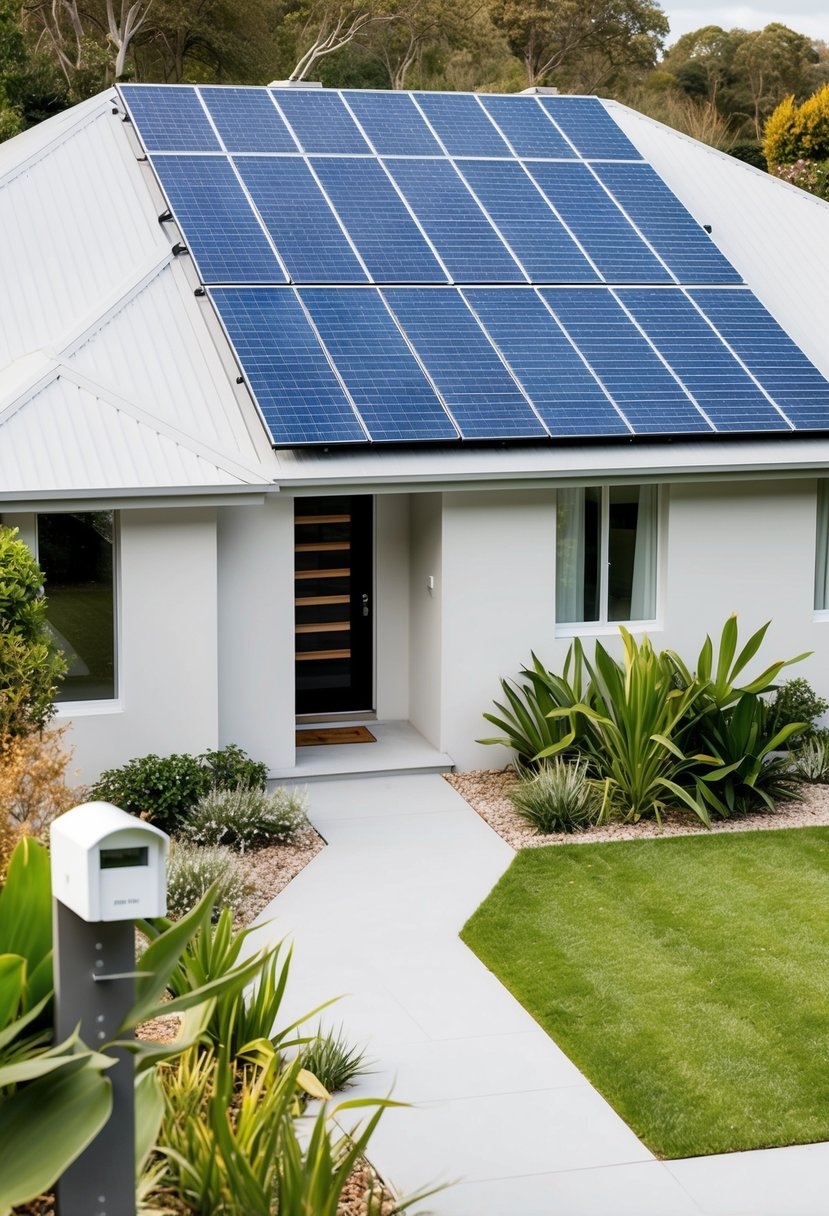
Homeowners can save significant money on their insurance by taking several practical steps. Here are answers to common questions about reducing your home insurance costs without sacrificing important coverage.
What are some effective strategies for reducing my homeowner’s insurance premiums?
Shopping around is one of the most powerful ways to save money. Different insurance companies offer varying rates for the same coverage, so getting quotes from at least 3 to 5 insurers can reveal surprising differences in pricing.
Bundling your home and auto insurance with the same company yields 5-25% discounts. Most major insurers offer this multi-policy discount, saving you hundreds each year.
Regular policy reviews help too. Your coverage needs change over time, so reviewing your policy annually ensures you’re not paying for unnecessary coverage or missing new discount opportunities.
Can increasing my deductible lead to significant savings on my home insurance?
Yes! Raising your deductible from $500 to $1,000 could save you 15-25% on your premiums. If you go up to a $2,500 deductible, your savings might reach 30% or more.
If you need to file a claim, make sure you have enough savings to cover the higher deductible. This strategy works best when you have an emergency fund in place.
The sweet spot is finding a deductible that meaningfully reduces your premium while still being affordable if you need to make a claim.
What discounts should I ask about to decrease my home insurance costs?
Many insurers offer loyalty discounts for customers who’ve been with them for several years. These can range from 5% to 10% after 3-5 years of coverage.
Safety feature discounts are widely available, too. Depending on your insurer, installing smoke detectors, carbon monoxide alarms, deadbolts, and security systems can earn you discounts of 5-20%.
Senior discounts are common for homeowners over 55 or 60, typically saving you 10% on premiums. Some companies also offer discounts for recent retirees who spend more time at home.
How does improving home security impact my homeowner’s insurance rates?
Installing a monitored security system can reduce your premiums by 15-20% with many insurers. These systems decrease the risk of break-ins and allow for faster emergency response.
Smart home technology, such as water leak detectors, can earn you 5-10% off. These devices prevent costly water damage claims, which insurers appreciate.
Even simple improvements like deadbolt locks, window sensors, and motion-activated lighting can save you money. Ask your agent for specific security measures they offer with discounts.
Are any particular renovations or updates that can make my insurance more affordable?
Roof upgrades often lead to significant discounts. A new, impact-resistant roof can save you 15-25% on premiums in many regions, especially in areas prone to severe weather.
Updating electrical, plumbing, and HVAC systems reduces fire and water damage risks. These modernizations can earn you 10-15% discounts while making your home safer.
Storm-resistant features like hurricane shutters or impact-resistant windows can save homeowners up to 30% on their policies in coastal areas. These improvements protect against costly wind damage.
How does maintaining a good credit score benefit my home insurance expenses?
In most states, insurers use credit-based insurance scores to help determine premiums. Homeowners with excellent credit can pay 20-40% less than those with poor credit.
Paying bills on time and reducing debt are simple ways to improve your score. Even moderate improvements in your credit score can lead to noticeable insurance savings.
Checking your credit report annually helps identify errors that might hurt your score. Fixing these mistakes could immediately improve your credit and lower your insurance costs.
Leave a Reply