
Young drivers deal with some of the highest car insurance rates out there. Some end up paying $3,000 to $5,000 a year just to stay on the road.
Telematics insurance offers a possible escape by tracking your driving through an app or a plug-in device, rewarding safer habits with lower premiums. If you’re willing to let your insurer monitor you, telematics can knock $120 to $245 off your annual bill, but your savings really depend on how, when, and where you drive—and which insurer you go with.

There’s a real trade-off here. You hand over some privacy for a shot at saving money. Your insurer keeps tabs on things like how hard you brake, your speed, when you drive, and even whether you touch your phone.
Some will also log your location. So, what do you actually get? Let’s talk about how telematics works, what discounts you might see, which driving habits matter most, and what privacy issues you should know about before you sign up.
Key Takeaways
- Telematics insurance tracks your driving and could lower your premiums by $120 to $245 a year if you drive safely
- Programs watch your braking, speed, phone use, and driving times—some also collect your location, raising privacy questions
- Young drivers can save the most, but night shift workers and those in riskier neighborhoods might get penalized even if they drive well
How Telematics Insurance Works for Young Drivers

Telematics insurance uses tech to track how you really drive and then adjusts your premium using that data instead of just your age. Young drivers, who often pay $537 to $996 every six months, can try programs like USAA SafePilot or State Farm Drive Safe & Save to prove they’re safer than the stats say.
What Is Usage-Based Insurance?

Usage-based insurance (UBI) links your car insurance price directly to your driving. Instead of a set rate based on age or zip code, you pay for how you drive—speed, braking, mileage, all that.
Traditional insurance lumps all 18-year-olds together, but that’s not fair. If you avoid slamming the brakes, drive mostly during the day, and keep your speed in check, telematics can cut your premium by 20% to 40% when it comes time to renew.
Most programs toss you a signup discount—usually 5% to 15%—but that’s just to get you in the door. The real discount shows up after a 60 to 90-day trial, once they’ve gathered enough data to grade your driving.
Some programs like Progressive Snapshot and GEICO DriveEasy might raise your rate if you drive recklessly. Others, like State Farm Drive Safe & Save and USAA SafePilot, only hand out discounts and never penalties.
Types of Telematics Devices and Programs

You’ve got three main tracking methods: mobile apps, plug-in devices, and connected car systems. Mobile apps work on any smartphone, using GPS and sensors to track your trips. You’ll need location services on, and sometimes you have to fix trips where you weren’t actually driving.
Plug-in devices hook up to your car’s OBD-II port (all cars built after 1996 have one) and send data straight to your insurer. They’re usually more accurate than apps, but you need a car that works with them. Nationwide SmartRide and Liberty Mutual RightTrack both offer plug-in options.
Connected car programs use built-in systems like OnStar or FordPass to send your driving data automatically. State Farm Drive Safe & Save works with these, but you’ll need a 2020 or newer car that came with telematics.
Pay-per-mile programs like Metromile only care about how far you drive—great if you’re under 7,000 miles a year, not so much if you commute daily. Standard usage-based insurance tracks your driving style, so even road warriors can save if they drive safely.
Driving Data Collected and Monitored
Telematics programs watch your speed, braking, acceleration, cornering, mileage, time of day, and sometimes phone use. Each insurer weighs these a bit differently.
Hard braking counts the most—if you slam the brakes, it looks like you’re not paying attention or following too close. Speeding over the limit dings your score, especially if you keep going over 80 mph. Late-night driving (midnight to 5 a.m.) hurts too, but one or two trips won’t ruin your rate.
Phone use tracking is all over the place. GEICO and Progressive hit you hard for touching your phone, while Nationwide and USAA just give you feedback and don’t raise your price. If you need GPS, mount your phone and don’t mess with it while driving—or ask your insurer if passive phone use counts against you.
You can check your trips in the app. Progressive lets you fix trips if the app thinks you drove when you were just a passenger. It’s smart to check your data every week during the trial so you can catch mistakes early.
Most programs score you after 60 to 90 days, then lock in your discount at renewal. State Farm changes your rate every month based on recent driving, so your feedback comes faster, but your rate can bounce around.
Cost Savings and Telematics Discounts Explained

Telematics programs usually offer young drivers discounts from 10% to 40%, with most people seeing about 20% off their premiums. If you drive smoothly, stay under the speed limit, and avoid late-night trips, your discount grows.
How Safe Driving Lowers Premiums

Insurers reward the habits that cut accident risk. Hard braking, speeding by more than 10 mph, and driving late at night all chip away at your discount.
Most apps give you a score out of 100. If you stay above 80, you’ll get the best discounts. Each hard brake drops your score by a few points. Speeding can knock off even more.
The math’s simple. If you pay $2,400 a year and get a 20% discount, you save $480. That’s real money for just driving like you should anyway.
Your discount changes every renewal, based on your recent driving. Three months of careful driving can fix a bad score from earlier mistakes. Patterns matter more than one-off errors.
Popular Telematics Discount Programs

Progressive Snapshot tracks you through an app or plug-in. You get a signup discount, then more savings if you drive well. They watch hard braking, when you drive, and how much.
Liberty Mutual RightTrack promises up to 30% off and uses similar tracking. You have to stick with it for 90 days before your new rate shows up. The app shows your score in real time.
Nationwide SmartRide maxes out at 40% off and gives you an initial discount just for joining. It looks at acceleration too, along with braking and speed. The detailed feedback helps you see exactly where you lose points.
Each program weighs things differently. Some punish night driving more. Others care most about braking. Always check what each program cares about before you sign up.
Average Savings for Young Drivers

Young drivers get the biggest savings from telematics because their rates start so high. A 20% discount on a $3,000 yearly premium saves $600—a lot more than the same percentage for someone paying $1,200.
About 40% of telematics users end up with higher discounts over time. Another 15% actually see their rates rise because their insurer spots risky habits. The rest don’t see much change.
If you want the max 30-40% off, you’ll need nearly perfect driving for months. Most young drivers realistically get 15-25% off. On a $3,000 policy, that’s $450-$750 in your pocket.
Low-mileage drivers get an extra edge. If you drive less than 7,500 miles a year, you might get another 5-10% off. Working from home or living close to school can really boost your savings.
See Related: Good Student Discount Car Insurance Explained: Practical Ways to Save
Safe Driving Habits That Affect Telematics Insurance

Telematics devices track habits that directly affect your rates. If you accelerate and brake smoothly, keep your phone away, and avoid late-night drives, you’ll see the biggest savings—usually 10-30% for young drivers who focus on these areas.
Smooth Acceleration and Braking Habits

Rapid acceleration and hard braking cost you money. Insurers flag these as high-risk because they’re involved in most accidents with young drivers.
Your telematics device records every time you stomp the gas or slam the brakes. A “hard brake” usually means you slow down faster than 7-8 mph per second. That’s the difference between easing to a stop and jamming the brake at the last second.
Smooth acceleration means taking a few seconds to reach speed, not flooring it. It’s safer—and can save you $200-400 per year.
Try to spot stops ahead of time. When you see brake lights, lift off the gas early. Leave more space so you don’t have to brake hard. Accelerate like you’ve got coffee on your dashboard and you don’t want to spill it.
Phone Use While Driving

Most telematics apps know when you’re using your phone while moving, and this one habit can wipe out your safe driving discounts.
Insurers take phone use as seriously as speeding since distracted driving causes a quarter of all crashes. Your device tracks when your screen is active, when you touch it, and if you’re moving faster than 10 mph.
Even hands-free calls can count against you in some programs. The apps watch for screen interaction, not just whether you’re holding the phone. Changing music or checking maps mid-drive can show up as distracted driving.
Put your phone in do-not-disturb before you start the car. Set up your navigation and playlist first. If you need to check something, pull over. Some young drivers save $300-500 a year just by leaving their phone alone on trips.
Driving at High-Risk Times

Driving between 11 PM and 4 AM can raise your rates by 15-20%, even if you drive carefully. Data shows fatal crashes are three times more likely late at night, especially for drivers under 25. Your telematics device timestamps every trip, and insurers adjust your risk based on when you’re on the road.
Weekend nights are the worst. A midnight trip on Friday or Saturday costs more than the same drive on a Tuesday. Some programs charge more for driving between midnight and 3 AM than for 10 PM to midnight.
Try to run errands during the day. If you work nights, ask your insurer about exceptions—some will adjust their scoring for work-related driving. Sometimes, using rideshare for late events costs less than the premium hike from regular late-night driving.
Pros and Cons of Telematics Insurance for Young Drivers

Telematics insurance gives young drivers a real shot at savings by tracking their driving, but you trade some privacy for those lower premiums. Most young drivers save about $245 a year with these programs, but some insurers collect your location and might share your data with third parties.
Benefits: Cheaper Rates and Safety Feedback

You can cut your insurance costs in a big way with telematics, especially if you’re under 25. Young drivers save a median of $245 a year, while drivers over 70 only see about $93 in savings. These programs track your braking, speed, phone use, and driving times using a smartphone app or a plug-in device.
After just a few months of driving, the discount starts to apply. Lots of insurers throw in a 5-10% discount just for signing up. Allstate and Nationwide claim you can save up to 40%, but most people get closer to 10%.
The safety feedback is just as important as the money. Your app sends real-time alerts if you brake too hard or drive during risky times.
This feedback helps new drivers build safer habits, even when parents aren’t around. If you stick to driving during the day, avoid rush hour, and keep your mileage low, you’ll likely get the steepest discounts.
Potential Drawbacks: Privacy and Rate Increases

When you join these programs, your driving data turns into a product. Insurers like Allstate, Geico, and USAA grab your exact location and routes—not just your speed or braking. Sometimes this data leaks in a breach or gets sold as “de-identified” info, but companies can often match it back to you.
It’s not all savings—your rates could actually go up. Some insurers just trim your discount for risky driving, but others might raise your premium outright. If you work night shifts or live in a flagged neighborhood, you could get penalized no matter how safely you drive.
Once you’re in, the monitoring doesn’t really stop. Insurers may keep your data for years, and it’s usually unclear if your rates go back to normal if you quit. Lower-income folks who drive at night face extra risk of unfair pricing based on their schedules and neighborhoods.
See Related:
Who Should Consider Telematics Insurance?

Telematics insurance is best for drivers who can prove their safe habits with data—usually young drivers willing to be monitored for lower premiums, people who don’t drive much, and families who want to cut their insurance bills without losing coverage.
Young Drivers With Limited Experience
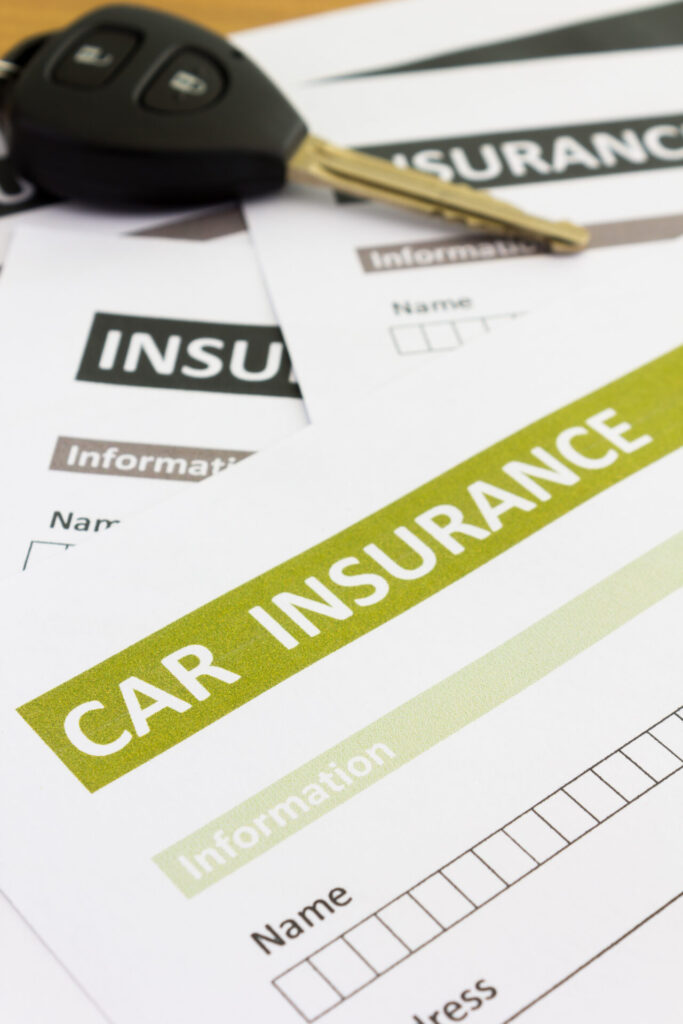
Insurers charge young drivers the highest rates because they lump all teens into a high-risk pool. Even if your 17-year-old drives carefully, you still pay the same as every other teen.
Telematics flips that script. Instead of shelling out $3,000 to $5,000 a year just for being young, you can show your safe driving through monitored data.
Programs track speed, braking, cornering, and nighttime driving. One big insurer saw claim reductions of 20% among teens in their telematics program in the first year.
The savings pile up fast. Safe teen drivers often see their premiums drop by 10% to 30% in the first policy period. You let your driving record speak for itself, even if you haven’t built up years of experience yet.
The catch: Your teen has to actually drive safely—and be okay with parents checking their driving data. If your teen speeds or drives aggressively, telematics will just make things worse.
Low-Mileage or Occasional Drivers

If you drive less than 7,000 miles a year, or just use your car for errands and weekend trips, you’re probably overpaying with standard insurance. Traditional policies guess your mileage instead of tracking it.
Telematics measures exactly how much you drive. Plenty of programs offer per-mile pricing or big discounts if your data shows limited use. You might pay 5 to 7 cents per mile instead of a flat rate that assumes you commute every day.
This is a game-changer if you work from home, take public transit, or own cars that mostly sit in the driveway. A car driven just 3,000 miles a year could save you $400 to $800 compared to regular insurance.
Budget-Conscious Families

Adding a young driver to your policy usually means your premium jumps by $1,500 to $3,000 a year. Telematics gives families a way to soften that blow without cutting coverage or raising deductibles.
You can monitor several cars under one telematics program, so both your teen’s and your own driving count toward discounts. Safe driving across the family means bigger savings.
Many families like the monitoring for reasons besides money. You’ll get alerts if your teen speeds, drives late, or brakes suddenly.
This feedback creates teaching moments and accountability—no need to ride shotgun every time your teen borrows the car. Heads up: Some programs charge participation fees, rent out devices, or penalize you for driving during peak hours, even if you can’t avoid it for work.
What to Watch Out For in Telematics Insurance Programs

Telematics insurance promises savings, but the fine print matters more than the flashy discount. Young drivers need to know when rates might actually go up, how their data gets used, and which programs offer real protection.
Understanding the Fine Print on Discounts and Surcharges

Not every telematics program guarantees savings. Progressive Snapshot, for example, can raise your rates in certain states if your driving score drops too low. That’s a risk if you’re still learning good driving habits or if you’re forced to drive late at night.
Other programs, like Liberty Mutual RightTrack and Nationwide SmartRide, promise not to raise your rates. You get a 10-15% discount just for enrolling, and your final discount can only go up. These are safer bets if you’re unsure about your driving patterns.
Check the tracking period too. RightTrack watches you for only 90 days, but Snapshot can run for six months or more. A shorter window means less time to mess up, but also less time to improve if you start off rough.
Data Privacy and Legal Considerations

Your telematics app tracks more than hard braking or speed. It logs your GPS location, daily routes, departure times, and even how long you stay at certain places. Some programs also monitor phone use while you drive.
Ask your insurer these questions before signing up:
- Do you share or sell my data to third parties?
- How long do you keep my driving data after I leave?
- Can I delete my data if I quit mid-program?
- What happens to my rate if I cancel early?
States like Maryland, Missouri, and New York are working on laws to restrict how insurers use and share telematics data. GM’s OnStar got sued for sharing driver info with insurers without telling customers. Always read the privacy policy—not just the sales pitch.
How Different Insurers and Apps Compare

Your choice of program changes your risk and reward. Progressive gives the biggest sign-up discounts but might raise your rates. Allstate Drivewise pays cash back on top of premium discounts, so you can earn money even if your final discount is small.
Nationwide SmartRide sends weekly score updates, letting you tweak your driving before the final tally. That’s a real plus for young drivers still learning the ropes. Liberty Mutual’s 90-day window and guaranteed minimum discount make it a low-risk pick for first-timers.
Check if the program uses an app or a plug-in device. Apps drain your phone battery and need constant permissions.
Plug-ins work on their own but won’t fit older cars without an OBD-II port. If you can, try the app for a week before you commit.
See Related: Cheapest Cars to Insure for Young Drivers: Spend Less on Coverage Without Sacrificing Safety
Frequently Asked Questions

Young drivers exploring telematics insurance usually ask the same things about costs, privacy, and how these programs work in real life. The answers depend on your habits, your insurer, and what you’re willing to trade for lower rates.
How can telematics insurance impact premiums for new and young drivers?
Young drivers see the biggest savings with telematics because traditional rates for this age group are sky-high. A 2024 Consumer Reports survey found drivers under 45 saved a median of $145 a year, and those with young drivers on their policy saved $245.
For new drivers, the math is different than for experienced ones. Your premium starts high, no matter how well you drive. Telematics lets you prove you’re not the risk insurers expect.
Geico’s DriveEasy offers up to 25% off, though most people see closer to 10%. Allstate and Nationwide both promise up to 40% off. Liberty Mutual and Farmers give you 5-10% off just for signing up, before they’ve even seen your data.
The discount usually kicks in after a few months, once your insurer has enough info to judge your risk. If you pay $3,000 a year, even a 15% discount puts $450 back in your pocket.
Are there any privacy concerns associated with installing a black box in my vehicle?
Your driving data turns into a commodity as soon as you install a telematics device or app. Insurers track your speed, braking, phone use, miles, and time of day. Some, like Allstate, Geico, and USAA, also collect your exact routes.
Privacy risks go beyond your insurer seeing this info. General Motors sold OnStar driving data to risk-profiling companies, which led to higher rates or canceled policies for some. Data can be stripped of your name and sold, then matched back to you with other info.
Data breaches are another worry. If a company gets hacked, your location history and driving habits could leak. That info reveals where you live, work, and spend your time.
State laws on data privacy vary, so your rights depend on where you live. Before you sign up, call your insurer and ask if they sell your data (or “de-identified” data) to third parties. Ask how long they keep your info and what happens if you leave the program.
What are the common rules and restrictions that come with black box insurance policies?
Most telematics programs penalize you for driving during high-risk hours—usually late at night or during rush hour. If you work nights or have to commute during busy times, your discount might shrink or disappear.
Hard braking dings your score, even if you do it for safety. The system can’t always tell if you slammed the brakes to avoid a crash or just drove recklessly. Some programs flag you for speeding, but the rules differ by insurer.
Phone use while driving hurts your score with many apps. If you use your phone for GPS or hands-free calls, make sure the app can tell the difference. USAA and a few others let you correct the record if someone else drove your car, but not all do.
You need to keep the app running and your phone with you every time you drive. If you forget to track trips, your data could get skewed and your discount might drop. Some programs make you stay enrolled for a minimum period before you can quit without penalties.
How does the data from a black box influence future insurance rates?
When you use telematics, the data it collects gets added to your risk profile. Insurers look at this info to decide your rates in the future. If you drive safely for several months, you might see your premium drop by a decent amount.
On the flip side, risky moves flagged by the system can make your discount disappear—or even push your rate up. It really depends on what your insurer wants to do.
Some companies stick to adjusting your discount only. They won’t raise your base rate, no matter what the data says.
Others? They might bump up your payment if your telematics record shows too many red flags. It’s worth asking your insurer directly before signing up. Will bad driving data actually raise your rate or just shrink your discount? You don’t want surprises.
Mileage matters more than most young drivers realize. If you drive less than 7,000 miles a year, you usually get the best discounts. But if you rack up 15,000 or 20,000 miles, those savings start to fade fast.
Sometimes, the data works against you in ways that just feel unfair. Workers with night shifts—who have no say in their schedule—often get penalized just for driving late.
The Consumer Federation of America pointed out that this hits Black and Latino drivers the hardest. Where you live and where you drive also shape your risk profile. You might end up paying more than someone in the next neighborhood, even if you both drive the same way.
Can using a black box device in my car actually lead to safer driving habits?
Most people really do change their behavior when they know someone’s watching. If you realize that hard braking or speeding could make your insurance bill go up, you’ll probably leave more space and take it easy on the gas.
Telematics apps give you feedback right away, so you can spot habits to fix. If you see a low score after a drive, you’ll start wondering what you did wrong.
Maybe you notice that late-night trips always hurt your rating. You might decide to run errands during the day instead, if you can.
That financial incentive really does create a loop—every month, the discount on your bill reminds you to stick with safer choices. For young drivers, this kind of outside motivation can help set good habits that last, even after the monitoring ends.
But let’s be real, the system doesn’t always measure real-world safety all that well. You could drive defensively and still get hit with a penalty for a hard brake that actually avoided a crash.
The data just can’t see the whole picture—context, weather, or why you made a move. Sometimes, drivers get so focused on their score that they forget to pay full attention to what’s happening on the road.
What should I consider when reading reviews about telematics insurance experiences?
Check if the review names the insurer and the specific program. Experiences can swing wildly from one company to another.
A bad time with one app? That doesn’t mean every telematics program is a mess.