
Gas prices got you down? I know the feeling. When I noticed I was spending over $200 monthly on fuel last year, I knew something had to change. After trying several strategies, I’ve cut my gas expenses by nearly 25% without changing my driving habits.

You can save money on gas by combining smart payment methods with simple driving habits. Using rewards credit cards that offer cash back on fuel purchases, joining gas station loyalty programs, and using apps like GasBuddy to find the lowest prices can make a big difference. Shell’s rewards program saved me 10 cents per gallon, while my grocery store’s gas rewards program lets me save up to 30 cents per gallon some months.
Did you know that when you buy gas, it matters too? Filling up early in the morning or at night when it’s cooler means you get more for your money since gas expands with heat. I started filling up on Monday mornings rather than weekends and noticed prices were consistently lower. These simple changes add up to real savings over time!
Understanding Gas Prices

Gas prices can be confusing, with their constant ups and downs. Knowing what causes prices to change and how to find cheaper options can help you save money every time you fill up your tank.
Factors Affecting Gas Prices

Gas prices fluctuate based on several key factors. The cost of crude oil is the biggest influence, accounting for about 50% of what you pay at the pump. When global oil prices rise, gas prices follow suit.
Seasonal changes also impact prices. Summer typically brings higher prices as more people travel and special summer blends cost more to produce. Winter gas is usually cheaper.
Taxes play a significant role too. In the United States, federal and state taxes add an average of 55 cents per gallon. States with higher gas taxes like California often have higher pump prices.
Location matters significantly. Gas stations near highways or in remote areas typically charge more. Urban areas with more competition often offer better prices.
Global events like wars, natural disasters, or production changes by oil-producing countries can cause sudden price shifts that affect your local station.
How to Find the Cheapest Gas

Apps like GasBuddy have become essential tools for saving money. They show real-time prices at stations near you, helping you find the cheapest option without driving around. Some apps even offer rewards programs that give you additional savings.
The timing of your fill-up matters. Gas is often cheaper earlier in the week, particularly on Mondays and Tuesdays. Prices typically rise toward the weekend as stations anticipate increased demand.
Membership programs can lead to significant savings. Warehouse clubs like Costco and Sam’s Club often offer gas at 10-25 cents less per gallon. Many grocery stores also have fuel rewards programs where your grocery purchases earn gas discounts.
Consider paying with cash. Some stations offer discounts of 5-10 cents per gallon for cash payments since they avoid credit card processing fees.
Fuel rewards credit cards can save you 2-5% on gas purchases. Some cards offer even higher rewards at specific stations or during promotional periods.
Fuel Economy Basics

Understanding how your car uses gas can help you make better money-saving choices. Knowing your vehicle’s fuel efficiency gives you a baseline against which to measure improvements.
How Fuel Economy Works

Fuel economy refers to how far your car can travel on a gallon of gas. Your engine burns fuel to create energy that moves your vehicle, and many factors affect how efficiently this happens.
Your driving habits make a big difference. Aggressive driving with rapid acceleration and hard braking can lower your gas mileage by 15-40%. That’s like paying an extra $0.50-$0.98 per gallon!
Vehicle weight also matters. Extra cargo creates drag and forces your engine to work harder. Remove unnecessary items from your trunk or roof rack when not needed.
Aerodynamics plays a role, too. Over 50% of engine power at highway speeds goes toward overcoming air resistance. You get better highway mileage when maintaining steady speeds rather than in stop-and-go city traffic.
Estimating Your Vehicle’s Fuel Efficiency

Fill your tank and note your odometer reading to calculate your current MPG (miles per gallon). Next time you fill up, divide miles driven by gallons used.
For example: If you drove 300 miles and used 10 gallons, your MPG is 30.
Keep a small notebook in your glove box to track your results over time. This helps you see how changes in driving habits affect your efficiency.
The EPA ratings on your vehicle can serve as a baseline, but real-world conditions often result in different numbers. Weather, terrain, and traffic all impact actual performance.
Try using the AAA mobile app to track gas prices in your area and find the cheapest options. Combine this knowledge with your vehicle’s efficiency to estimate trip costs.
See Related: Frugal Living Tips for Beginners That Will Transform Your Finances and Lifestyle
Driving Habits That Save Gas

Your driving behavior directly impacts how much fuel your car consumes. Minor adjustments to how you operate your vehicle can lead to significant savings at the pump over time.
Optimizing Speed and Acceleration

Aggressive driving wastes gas and costs you money. When you accelerate quickly or drive high speeds, your engine works harder and burns more fuel. Try to maintain a steady, moderate acceleration when starting from a stop. Press the gas pedal gently, like you’re trying not to spill a cup of coffee on your dashboard.
The ideal speed for fuel efficiency is typically between 50 and 60 mph. For many vehicles, fuel economy drops sharply above 60 mph due to increased air resistance. Each five mph over 60 mph is like paying an extra $0.20 per gallon of gas!
Quick Tips for Efficient Acceleration:
- Avoid “jackrabbit” starts
- Accelerate smoothly and gradually
- Anticipate traffic flow to maintain momentum
- Stay at or under the speed limit
Strategic Use of Cruise Control

Cruise control isn’t just for comfort—it’s a powerful gas-saving tool on highways and flat roads.
Using cruise control helps maintain a constant speed, which typically improves fuel efficiency by 7-14%. Your car’s computer can regulate fuel flow more precisely than your foot on the pedal, eliminating the small accelerations and decelerations that waste gas.
However, cruise control isn’t always the best choice. On hilly terrain, it may try to maintain speed uphill (burning excess fuel) rather than allowing a slight decrease in speed that would save gas.
Best Practices for Cruise Control:
- Use on flat highways for maximum benefit
- Set it at or slightly below the speed limit
- Disable on hills or in heavy traffic
- Consider adaptive cruise control if your vehicle offers it
Planning Your Routes Wisely

Smart route planning can significantly reduce fuel consumption. However, the shortest distance isn’t always the most fuel-efficient path.
Avoid routes with heavy traffic, numerous stops, or steep hills when possible. Each time you brake and accelerate, you use more fuel than maintaining a steady speed. Apps like Waze or Google Maps can help identify fuel-efficient routes.
Combine errands into single trips instead of making multiple short journeys. Cold engines use more fuel, so a warm engine is more efficient.
Route Planning Strategies:
- Group errands by location
- Schedule trips during off-peak hours
- Choose routes with fewer traffic lights and stop signs
- Use traffic apps to avoid congestion
- Consider carpooling for regular commutes
Vehicle Maintenance for Better Mileage

Keeping your car in top shape is one of the easiest ways to save money on gas. Regular maintenance helps your engine run efficiently and prevents wasted fuel due to mechanical problems.
The Importance of Tire Pressure

Properly inflated tires can significantly improve your gas mileage. Tires underinflated create more rolling resistance, forcing your engine to work harder and burn more fuel.
Check your tire pressure at least once a month using a reliable gauge. The recommended pressure level is usually listed on a sticker inside your driver’s side door or in your owner’s manual.
Even a 5-8 PSI drop below the recommended level can reduce fuel efficiency by 2%. That might not sound like much, but it adds up over time.
Tire pressure tends to drop naturally during colder months. For every 10°F decrease in temperature, tires lose about 1 PSI of pressure.
Make tire checks part of your routine, especially before long trips or after significant temperature changes. This simple habit can save you money and extend the life of your tires.
The Right Motor Oil for Your Car

Using the correct motor oil significantly affects your car’s fuel economy. Your owner’s manual will specify which grade of oil works best for your vehicle.
Look for motor oils labeled as “energy-conserving” or “fuel-efficient.” These contain special additives that reduce friction in your engine, improving gas mileage by 1-2%. In warmer climates, you might be tempted to use a thicker oil like 10W-30 instead of the recommended 5W-30. However, this can hurt your fuel economy.
Synthetic oils generally outperform conventional oils in terms of fuel efficiency. They may cost more up front, but the savings in gas and reduced engine wear often make up for it.
Ensure the service technician uses the manufacturer’s recommended oil grade when getting an oil change. This small detail can have a tangible impact on your gas mileage.
Regular Maintenance Checks

Replacing clogged air filters can improve fuel economy by 2-6% in older cars with carbureted engines. A clean air filter ensures proper airflow and better performance, even in newer cars.
Spark plugs play a crucial role in fuel efficiency. Worn-out plugs can decrease your mileage by up to 30% in extreme cases. Replace them according to your maintenance schedule.
Don’t ignore the “check engine” light. Problems that trigger this warning can reduce fuel economy dramatically if left unaddressed.
Have your engine tuned regularly. A properly tuned engine can improve gas mileage by an average of 4%.
Clean or replace your mass airflow sensor when recommended. This component tells your car’s computer how much fuel to add to the engine. When it’s dirty, your vehicle may use too much gas.
Schedule regular inspections for fuel-system components. Faulty oxygen sensors, fuel injectors, or emission controls can all hurt your gas mileage without apparent symptoms.
See Related: Is It Smart to Be Frugal? Money-Saving Habits That Transformed My Finances
Money-Saving Programs and Tips

Several strategies can help you reduce fuel costs without changing your driving habits. These programs and seasonal approaches work alongside smart purchasing decisions to maximize your savings at the pump.
Gas Station Loyalty Programs
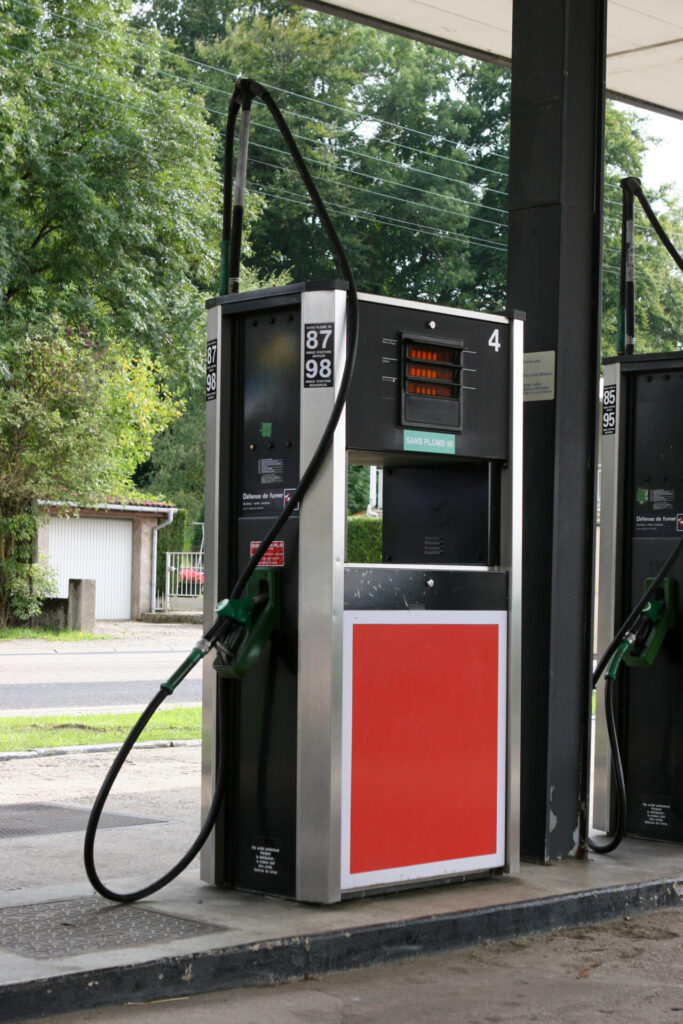
Joining gas station rewards programs is one of the easiest ways to save money on fuel. Most major chains offer free membership programs with instant discounts or points toward future purchases.
Shell’s rewards program offers savings of around 5 cents per gallon, while their credit card can provide up to 10 cents off per gallon. These discounts add up quickly if you’re a regular customer.
Many grocery stores also partner with gas stations. For example, some supermarket loyalty programs give you fuel points for groceries you’re already buying. Every $100 spent might earn you 10 cents off per gallon.
Don’t overlook warehouse clubs like Costco, Sam’s Club, and BJ’s. Their gas stations typically offer prices 5-25 cents lower than nearby stations, and membership often pays for itself through fuel savings alone.
Maximizing Credit Card Rewards

The right credit card can significantly reduce your gas expenses through cashback rewards. Look for cards that offer 4-5% back specifically on gas purchases rather than general rewards cards.
Some cards offer rotating categories that include gas stations during certain quarters. Mark these periods on your calendar to maximize your savings when fuel becomes a bonus category.
Pay attention to sign-up bonuses too. Many cards offer $200+ in cash back after spending a certain amount in the first few months, which can cover several gas tanks.
Remember to pay your balance in full each month. Interest charges will quickly erase any savings from rewards programs.
Gas station-branded credit cards can also provide value. Shell, BP, and other major brands offer their cards with fuel discounts that may exceed general cashback rates.
Seasonal Tips for Fuel Saving

Fuel prices and efficiency change with the seasons. In summer, buy gas early in the morning or the evening when temperatures are cooler. Gas expands with heat, so you get less energy per gallon when it’s hot outside.
Winter blend gas typically costs less than summer blend, making fall and winter good times to fill up. However, cold weather reduces your car’s efficiency, so use other saving strategies during these months.
Price fluctuations often follow predictable weekly patterns. In many areas, Monday and Tuesday are the cheapest days to buy gas, while Thursday through Sunday see higher prices as stations prepare for weekend travelers.
Use gas price apps like GasBuddy to track these seasonal and weekly trends. They can alert you to price drops and help you find the cheapest station near you at any given time.
See Related: Frugal Meaning: Life-Changing Habits That Saved Our Family $15,000
Frequently Asked Questions

Saving money on gas requires smart driving habits and staying informed about prices. These questions address common concerns about fuel economy and provide practical solutions you can implement immediately.
What are some effective driving habits I can adopt to use less gas?
Driving smoothly is key to saving fuel. Avoid rapid acceleration and sudden braking, which can waste gas quickly. Try to maintain a steady speed whenever possible.
Slowing down on highways can make a big difference. Driving 65 mph instead of 75 mph can improve your fuel efficiency by up to 15%.
Using cruise control on flat highways helps maintain a consistent speed and saves fuel. However, it’s better to control your speed manually on hilly terrain.
Reduce idling whenever possible. Turn off your engine if you’ve been stopped for more than 30 seconds (except in traffic). Modern engines use very little fuel to restart.
Plan your routes to combine errands and avoid traffic congestion. This reduces the total distance driven and time spent in stop-and-go traffic.
Can you recommend any vehicle maintenance tips that help save on gas?
Keep your tires properly inflated. Under-inflated tires create more rolling resistance, which makes your engine work harder and use more fuel. Check your tire pressure monthly.
Replace your air filter regularly. A clogged air filter can reduce fuel efficiency by up to 10%.
Get regular oil changes using the recommended grade of motor oil. Clean oil reduces friction in your engine, improving efficiency.
Remove excess weight from your vehicle. Every 100 pounds of unnecessary items in your trunk can reduce fuel economy by about 1%.
Check your gas cap to ensure it seals properly. A loose or damaged cap allows fuel to evaporate, wasting gas and money.
Which apps can assist me in finding the lowest gas prices in my area?
GasBuddy is one of the most popular apps for finding cheap gas. It shows prices at stations near you and allows users to report and update prices.
Waze helps with navigation and displays gas prices along your route, making it easy to find affordable options.
AAA Mobile offers members a gas price finder feature, with reliable information about current prices at stations nationwide.
Google Maps now includes gas price information at many stations. Simply search for “gas stations” to see prices alongside other details.
GetUpside (now Upside) offers cash back when you buy gas at participating stations, giving you a discount on each gallon.
What are the best strategies to keep my home gas bill low during winter?
Lower your thermostat setting. For every degree you lower your heat in the 60-70°F range, you can save up to 5% on heating costs.
Seal drafts around windows and doors. Use weather stripping or caulk to prevent warm air from escaping and cold air from entering.
Use a programmable thermostat to lower temperatures when sleeping or away from home automatically. This can save 10-15% on heating bills.
Keep vents and radiators clear of furniture and curtains. Blocked airflow makes your heating system work harder than necessary.
Add insulation to your attic and walls if needed. This initial investment can significantly reduce heating costs over time.
Could you suggest how to budget effectively for fluctuating gas costs?
Track your fuel spending for several months to understand your average usage. Apps like Mint or YNAB can help categorize these expenses automatically.
Create a gas budget based on your highest monthly expense, not your average. This gives you a buffer when prices increase unexpectedly.
Set aside a specific “fuel fund” in your budget. When gas prices drop, keep contributing the same amount and let the surplus build up for when prices rise again.
Consider using a credit card that offers cashback on gas purchases. Some cards offer 3-5% back, reducing your overall cost.
Look for ways to offset higher gas costs in other budget areas when necessary. Having flexible categories in your budget helps absorb price fluctuations.
Are there any specific tips for saving on gas while living in states with higher prices?
Cross state lines when practical. Living near a state border with lower gas taxes might be worth filling up across the line.
Join warehouse club gas stations like Costco or Sam’s Club. Their gas prices are typically 10-25 cents lower per gallon than traditional stations.
Look for gas stations in suburban areas rather than city centers or near highways. These locations often have lower overhead costs and better prices.
In high-cost states, use gas price tracking apps religiously. Price differences between stations can be dramatic, making the savings more substantial.
Consider carpooling or using public transportation more frequently if available. The cost savings can be significant in states with consistently high gas prices.
Leave a Reply