
Planning a road trip without breaking the bank? I’ve been there! After years of pinching pennies and exploring budget-friendly adventures, I’ve discovered affordable road trips aren’t just possible—they’re often more rewarding. Last summer, my cross-country journey cost less than $1,500 for three weeks by implementing innovative saving strategies.

The key to budgeting road trips is prioritizing experiences over expenses while creatively planning for essentials like food, lodging, and gas. Instead of hotels, consider camping in national forests or car camping to slash accommodation costs.
Cook meals instead of dining out, and use apps to find the cheapest gas prices along your route. Many travelers overlook simple savings like packing jerky and other non-perishable snacks that satisfy you between destinations.
Remember that staying longer in fewer places often saves more money than constantly moving. This approach reduces gas consumption and allows you to find weekly lodging discounts.
Investing in a quality cooler and a National Parks Pass can significantly cut costs while enhancing your adventure. These small changes won’t diminish your experience—they’ll make your journey more authentic and memorable.
Planning Your Budget-Friendly Road Trip

Taking a road trip doesn’t have to break the bank. With thoughtful planning and a few money-saving strategies, you can create a fantastic journey that fits your financial situation while delivering unforgettable experiences.
Setting a Road Trip Budget

Before hitting the road, determine how much you can realistically spend. List all potential expenses: gas, accommodations, food, attractions, and emergency funds. Gas will likely be your most significant expense, so use the GasBuddy app to estimate fuel costs based on your route and vehicle’s mpg.
Aim to budget about $100-150 daily for a two-person week-long trip, but adjust based on your comfort level. I’ve found that setting daily spending limits (like $40 for food) helps keep costs in check.
Create a simple spreadsheet or use a budgeting app to track expenses. Remember to include a buffer of about 15% for unexpected costs—that flat tire I got in Utah taught me this lesson!
Break down your budget into categories:
- Gas: 30%
- Accommodations: 30%
- Food: 25%
- Activities: 10%
- Emergency fund: 5%
Choosing Your Destination Wisely

Where you go dramatically impacts your budget. National parks offer incredible experiences for just $30-80 per vehicle (or $80 for an annual pass covering all parks). The American Southwest and Appalachian regions offer stunning landscapes with affordable camping options.
Consider destinations with:
- Free or low-cost attractions
- Camping opportunities
- Less tourist traffic
- Reasonable food prices
Staying longer at each destination instead of constantly moving saves gas and reduces accommodation costs. I spent three days exploring the Great Smoky Mountains National Park and saved about $200 compared to a fast-paced itinerary.
Look for destinations with natural attractions rather than expensive tourist spots. Hiking, swimming in lakes, and exploring small towns often cost nothing but create lasting memories.
Mapping Out a Cost-Effective Route

Planning your route carefully can save serious money. Use GPS apps like Waze or Google Maps to find the most fuel-efficient paths. Consider a circular route rather than out-and-back to see more while driving less.
Using GasBuddy, plot gas stations with lower prices along your route. Rural stations sometimes charge $0.50-$1.00 more per gallon than those near interstate exits.
Plan your route through areas with:
- Affordable camping or lodging options
- Free roadside attractions
- National forests (free camping)
- Grocery stores for supplies
Avoid unnecessary detours—that 50-mile side trip costs more than gas when you factor in time and wear on your vehicle.
Try to plan driving during off-peak hours. You’ll save gas by avoiding stop-and-go traffic, especially in urban areas. Rush hour around cities can quickly burn through your fuel budget!
Finding the Best Time to Travel

Timing your road trip strategically can lead to significant savings. Shoulder seasons (late spring and early fall) offer pleasant weather, fewer crowds, and lower prices. Hotel rates can drop by 20-30% compared to peak summer months.
Weekdays typically have better rates for accommodations than weekends. I saved $45 per night on the same hotel by staying Tuesday through Thursday instead of Friday through Sunday.
Consider these timing factors:
- Gas prices (they typically rise in summer)
- Local events that might drive up costs
- Weather conditions affecting fuel efficiency
- Off-season discounts at attractions
Some national parks waive entrance fees on specific days. In 2025, national parks will offer six free entrance days, including April 19-20 (National Park Week opening weekend) and August 4 (Great American Outdoors Act anniversary).
Don’t travel during major holidays when gas prices surge and accommodations are pricier and more complicated to book.
Transportation and Fuel Savings

Getting from place to place will likely be your most significant road trip expense. Wise choices about your vehicle and how you manage fuel costs can save you considerable money to use for experiences.
Choosing the Right Vehicle

Your vehicle can make a huge difference in your road trip budget. Smaller cars typically get better gas mileage than large SUVs or trucks. For a family of four, a mid-size sedan might offer the perfect balance of comfort and efficiency.
Consider your route and destination needs. If you’re heading into mountains or rough terrain, you’ll need something with appropriate capabilities. Otherwise, prioritize fuel economy.
Before your trip, ensure your vehicle is roadworthy and check for any maintenance issues that could cause problems during your journey. A breakdown on the road is both expensive and time-consuming. If your vehicle isn’t ideal for your trip, borrowing from a family member might be worth exploring.
Improving Your Car’s Fuel Economy

Simple maintenance tasks can significantly boost your fuel economy. Get an oil change and tune-up before departing. Replace air filters and ensure your tires are correctly inflated – this alone can improve gas mileage by up to 3%.
Pack light! Extra weight reduces fuel efficiency. Remove roof racks when not in use as they create drag and decrease gas mileage by up to 8%.
Drive at moderate speeds to maximize efficiency. Most vehicles reach optimal fuel economy around 50-60 mph. Using cruise control on highways helps maintain a steady speed.
Avoid excessive idling. If you’ve stopped for over a minute, turn off the engine.
Modern engines don’t need long warm-ups, even in cold weather. Air conditioning increases fuel consumption, so use it sparingly when possible.
Utilizing Fuel-Saving Apps and Tips

Apps like GasBuddy can help you find the cheapest gas stations along your route. The price difference between stations can be as much as 30-50 cents per gallon, adding up quickly on long trips.
Plan your fill-ups strategically. Gas is often cheaper in rural areas and more expensive near highways and large cities.
Consider joining a fuel rewards program through your credit card or favorite gas station chain. Many offer savings of 5-10 cents per gallon.
Fill up early in the week. Gas prices typically rise on Thursdays as stations prepare for weekend travelers.
Don’t wait until your tank is nearly empty to refill—this will prevent you from shopping for better prices.
Plan your route to avoid traffic congestion. Sitting in traffic wastes gas and time.
Considering Car Rentals

Sometimes, renting a car makes more financial sense than buying one. If your vehicle is older or has poor gas mileage, a rental might save you money in the long run.
Rental cars are typically newer models with better fuel efficiency. They also eliminate wear and tear on your vehicle.
Look for rental deals through:
- Costco or AAA memberships
- Credit card rewards programs
- Online travel sites like Expedia or Kayak
Book in advance for the best rates, and decline unnecessary insurance if your credit card or personal auto policy already covers it. Consider weekly rates instead of daily ones for longer trips.
They’re often significantly cheaper per day. Don’t forget to factor in one-way fees if you’re not returning to your starting point.
See Related: Hidden Costco Savings Strategies That Actually Work
Affordable Accommodation Options

Finding budget-friendly places to stay can dramatically cut your road trip costs. The right accommodations balance comfort with affordability, giving you more money to spend on experiences.
Camping as an Economic Alternative

Camping is one of the most budget-friendly options for road trips. Many state and national parks offer campsites for $15-30 per night, compared to $100+ for hotels.
You can choose between developed campgrounds with amenities like showers and electricity or more rustic options for even greater savings. KOA campgrounds provide a middle ground with clean facilities, often including pools or recreation areas.
For beginners, consider investing in quality gear that will last multiple trips. A good tent ($100-200) and sleeping bags ($50-80 each) quickly pay for themselves after just a few nights.
Apps like The Dyrt and Campendium help you find free camping spots on public lands, known as dispersed camping or boondocking. These locations offer beautiful settings with zero accommodation costs!
Finding Deals on Hotels and Hostels

When camping isn’t an option, look for budget-friendly hotel alternatives. Motels and budget hotels often offer clean rooms at reasonable rates ($40-70/night) with basic amenities.
Sign up for hotel loyalty programs even before your trip. These free programs earn points for future stays and often provide member-only discounts.
Money-saving hotel tips:
- Book midweek for lower rates (often 20-30% less)
- Look for hotels that include breakfast
- Choose properties with kitchenettes to prepare simple meals
- Ask about AAA, military, or age-based discounts
Hostels aren’t just for international travel! Many U.S. cities have hostels with private rooms for $40-60 (less than half the cost of hotels) and the bonus of community spaces to meet fellow travelers.
Using Online Resources for Affordable Stays

Comparison sites like Kayak and Booking.com help you quickly spot deals, but always check the hotel’s direct website. Sometimes, they offer price matching or special perks for direct bookings.
Vacation rentals through Airbnb or VRBO can be surprisingly affordable, especially for more extended stays or when traveling with a group. Having a kitchen also lets you save on restaurant meals.
Restaurant.com offers discounted gift certificates for local eateries near your destinations—perfect for saving on meals while enjoying local flavors.
Last-minute booking apps like HotelTonight and Hopper can score significant discounts (sometimes 40-50% off) if your plans are flexible. The trade-off is uncertainty, so this works best if you’re comfortable with spontaneity.
Consider house-sitting or pet-sitting opportunities through websites like TrustedHousesitters for completely free accommodation. You get free lodging in interesting locations in exchange for watching someone’s home or pets.
Cost-Saving Strategies for Food and Dining

If you’re not careful, food expenses can quickly affect your road trip budget. Planning and creativity allow you to enjoy delicious meals without breaking the bank.
Packing Meals and Snacks

Bringing food from home is one of the best ways to save money while traveling. Pack a cooler with sandwiches, fruits, vegetables, and drinks for your journey. This simple step can save you $20-30 per day compared to eating at restaurants for every meal.
Consider portable, non-perishable options like trail mix, granola bars, and dried fruit that won’t spoil. These make perfect snacks between destinations or during unexpected delays.
For hot meals, a small portable stove can be a game-changer. Instead of spending $12 on a single backpacking meal, you could enjoy canned soup, chili, or ravioli with crackers for under $5.
Remember to bring reusable water bottles for everyone in your group. Buying bottled water at convenience stores can cost a family of four $10+ daily.
Shopping at Local Grocery Stores

Grocery stores are budget travelers’ best friends. When you arrive at your destination, find a local supermarket to stock up on essentials.
Look for ready-to-eat items like rotisserie chickens, salad kits, and pre-cut fruits that require minimal preparation. Many grocery stores have deli sections with prepared foods at half the cost of restaurants.
Take advantage of store loyalty apps and weekly specials. I once saved over $15 on a grocery trip by checking the store’s app before shopping.
If your accommodation has a kitchenette, buy simple ingredients for easy meals. Pasta, eggs, and sandwich fixings can provide multiple meals for the cost of one restaurant dinner.
Discovering Affordable Dining Options

When you do eat out, be strategic about it. Lunch specials typically offer the same food as dinner but at 20-30% lower prices. Happy hours are another great opportunity for discounted food and drinks.
Research local eateries and street food vendors instead of tourist traps. Not only are they more authentic, but they’re usually 40-50% cheaper than restaurants in heavily-trafficked tourist areas.
Apps like Restaurant.com offer discounted gift certificates—sometimes up to 50% off a meal. Many also feature deals like “kids eat free” nights or early bird specials.
Don’t be afraid to split meals! Restaurant portions are often large enough to share, especially at American diners and family-style places.
Consider having your big meal at lunch and a lighter, less expensive dinner that you prepare yourself.
Maximizing Entertainment Without Breaking the Bank

Having fun on your road trip doesn’t have to drain your wallet. Planning and creativity allow you to enjoy memorable experiences without spending a fortune.
Free Attractions and National Parks
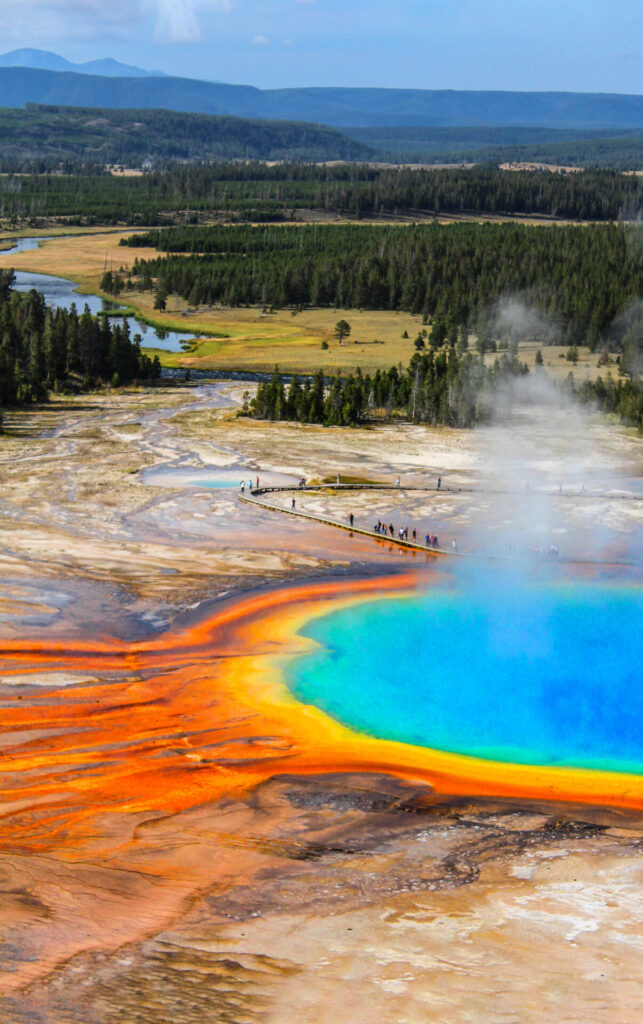
National parks and public lands offer incredible value for budget travelers. Many scenic overlooks, hiking trails, and beaches are entirely free. For national parks with entrance fees, consider purchasing an America the Beautiful annual pass for $80, which covers entry to over 2,000 federal recreation sites.
Small towns often have charming free attractions, such as historic main streets, unique architecture, or public art installations. These hidden gems provide authentic experiences without admission costs.
Don’t forget about museums with free admission days. Many offer complimentary entry on specific days of the month or during certain hours. Check their websites before your trip to plan accordingly.
State parks typically charge lower fees than national parks but offer stunning natural beauty and recreational opportunities. They’re perfect for hiking, swimming, or having a picnic lunch you packed yourself.
Seeking Out Local Events and Festivals

Local community events can provide free or low-cost entertainment while giving you a taste of regional culture. Check town websites, visitor centers, or local newspapers to find farmers markets, concerts in the park, or art walks.
Small-town festivals celebrate everything from food to history to quirky local traditions. These events often have minimal entry fees but provide hours of entertainment and a chance to mingle with locals.
College towns are entertainment goldmines. Student performances, gallery openings, and campus events charge little to nothing for admission.
Libraries along your route might host readings, workshops, or other cultural programs open to visitors. They’re also great places to recharge, use free Wi-Fi, and maybe pick up a local guidebook.
Creative Road Trip Games and Activities

Classic road trip games cost nothing but provide hours of entertainment. Try “I Spy,” the license plate game, or 20 Questions to pass the time between destinations. These games work especially well for family trips with kids.
Create a scavenger hunt tailored to your route. Include items like “a red barn,” “a welcome to [state] sign,” or “someone walking a dog.” This turns the journey itself into an adventure.
Audiobooks and podcasts transform driving time into entertainment time. Many libraries offer free digital downloads, or you can find free podcasts about the areas you’re visiting.
Stargazing costs nothing but creates lasting memories. Download a free star-identifying app, pack a blanket, and find a spot away from city lights to enjoy the night sky. National parks often have excellent stargazing opportunities due to minimal light pollution.
See Related: Can You Be Rich and Frugal? Millionaire Money Habits That Save Thousands
The Essentials Packing List

Packing smart is key to enjoying a budget-friendly road trip. The right items can save you money, keep you safe, and enhance your travel experience without breaking the bank.
Must-Have Items for Any Road Trip

A successful road trip starts with the basics. Pack these essentials to stay comfortable while keeping costs down:
- Reusable water bottles for each traveler (saves $10-15 daily on bottled water)
- Cooler with ice packs for storing homemade meals and snacks
- Non-perishable snacks like trail mix, granola bars, and dried fruit
- Comfortable pillows and blankets for naps and overnight stays
- Physical map as a backup when cell service fails
- Sunglasses and sunscreen to protect from long sun exposure
- Basic toiletries in travel sizes
- Wet wipes and hand sanitizer for quick cleanups
I’ve found that packing a reusable coffee mug saves about $4-5 per day compared to stopping for coffee. Bringing your snacks can save a family of four around $20-30 daily.
Emergency Kit and Safety Precautions

Safety doesn’t have to be expensive, but being unprepared can cost you. Create a basic emergency kit with:
- First aid supplies (bandages, antiseptic wipes, pain relievers)
- Flashlight and extra batteries
- Jumper cables
- Spare tire, jack, and tire iron
- Basic tool kit
- Emergency blankets
- Roadside reflectors or flares
- Car manual
Remove a small emergency cash stash ($50-100) in the car. Many travelers forget this, but it’s invaluable when you find a cash-only business or need help in remote areas.
Don’t skimp on car maintenance before your trip. A quick oil change and tire check ($50-75) is much cheaper than a breakdown that could cost hundreds or ruin your vacation.
Tech Gadgets to Enhance the Trip

The right technology can improve your journey without excessive spending:
- Phone, car charger, or power bank
- Phone mount for safe navigation
- Offline maps downloaded before departure (Google Maps, Maps.me)
- Portable Bluetooth speaker for entertainment
- Audiobook or podcast downloads for free entertainment
- A car power inverter to charge laptops or other devices
You can save on data usage by downloading entertainment before leaving home. I pre-download Google Maps for our entire route and save about 1GB of data daily.
Consider a gas-finding app like GasBuddy to locate the cheapest fuel prices. On my last 1,000-mile trip, this saved approximately $30 in fuel costs by planning fill-ups strategically.
Smart Saving Tips on the Road

Keeping your road trip affordable doesn’t end with planning. Making smart choices while traveling can significantly reduce your expenses without sacrificing fun. These on-the-road strategies will help stretch your budget further and let you enjoy more adventures.
Utilizing Discounts and Rewards Programs

Gas rewards programs are your best friend on long drives. Sign up for free loyalty cards at major chains like Shell, BP, or Circle K to earn points with every fill-up. Apps like GasBuddy can help you find the cheapest gas stations along your route, potentially saving up to 25 cents per gallon.
Remember your existing memberships. AAA, AARP, military ID, and warehouse club memberships often offer discounts at hotels, attractions, and restaurants.
Many hotels offer free loyalty programs with perks like late checkout or complimentary breakfast. These small benefits add up quickly!
Credit card rewards can be valuable, too. If you have a card that offers bonus points on gas or travel expenses, use it. Just be sure to pay it off when you get home!
Avoiding Expensive Tourist Traps

Research attractions before visiting. Many popular destinations have free or discounted admission days, or lower prices during certain hours.
Look for state or national parks instead of commercial attractions. A $30 national park pass gives you access to hundreds of sites for a week, compared to $100+ for a single day at many theme parks.
Ask locals for recommendations. They know the authentic, affordable spots tourists often miss. The best tacos might be at the small stand down the street, not the crowded restaurant with “famous” in its name.
Free activities abound in most places! City parks, hiking trails, beaches, and cultural events often cost nothing but offer genuine local experiences. Museums frequently have “pay what you wish” days, too.
Staying Economical with Souvenirs and Shopping

Set a souvenir budget before your trip starts. Having a specific amount helps prevent impulse buying at every stop. Consider limiting souvenirs to one item per location.
Look for practical souvenirs you’ll use. For example, a coffee mug from a local cafe gives you daily memories without collecting dust.
Local grocery stores are treasure troves for affordable, authentic souvenirs. Regional foods, local craft beers, or specialty items make meaningful gifts and typically cost less than tourist shop trinkets.
Take plenty of photos! Digital memories are free and often more meaningful than trinkets. If you want a physical keepsake, create a trip photo book when you return home.
Consider collecting free mementos like pressed pennies, brochures, or nature items (where permitted). These create connections to places visited without straining your wallet.
See Related: Is Frugal Positive or Negative: Life-Changing Benefits of Smart Spending
Frequently Asked Questions

Planning a budget-friendly road trip requires smart strategies and thoughtful preparation. Many travelers have common questions about saving money while having a fantastic journey on the open road.
What are the best strategies for cutting costs on a week-long road trip?
Plan your route strategically to minimize gas consumption. Map out your journey and identify the most efficient path to your destinations.
Pack food and snacks from home to avoid expensive convenience store purchases. A small cooler with sandwiches, fruits, and drinks can save you $20-30 daily.
Consider camping instead of hotels for some nights. Many campgrounds charge only $15-30 per night compared to $100+ for hotels.
Travel during off-peak seasons when attractions and accommodations often offer reduced rates. Spring and fall typically offer pleasant weather with fewer crowds and lower prices.
How can families save money while creating unforgettable road trip experiences?
Look for free or low-cost attractions like national parks, hiking trails, and local festivals. Many museums offer free admission days or family discounts.
Pack entertainment for kids instead of buying new toys on the road. Books, travel games, and downloaded movies can keep children engaged without extra costs.
Consider vacation rentals with kitchens for more extended stays. Cooking meals together saves money and creates family bonding opportunities.
Research “kids eat free” promotions at restaurants along your route. Many family restaurants offer these specials on specific days of the week.
What tips can couples follow for an affordable yet romantic road trip adventure?
Pack a picnic basket and find scenic spots for intimate meals. A sunset picnic with a $15 bottle of wine creates memories that an expensive restaurant can’t match.
Look for off-the-beaten-path accommodations like B&Bs or boutique motels. These often provide more character and romance than chain hotels at similar prices.
Enjoy free romantic activities like stargazing, beach walks, or hiking to scenic viewpoints. Nature provides the perfect backdrop for connection.
Consider traveling midweek when rates are typically lower. Many romantic destinations offer special couples’ packages Sunday through Thursday.
Can you suggest ways to save on food and accommodation during a road trip?
Book accommodations in advance to secure better rates. Many hotels offer 15-20% discounts for early bookings.
Alternate between budget and mid-range accommodations. Splurge occasionally while saving on most nights.
Shop at local grocery stores for breakfast items and lunch supplies. A simple breakfast in your room can save a family of four about $40 compared to dining out.
Use apps like GasBuddy to find the cheapest fuel prices along your route. The price difference between stations can be as much as $0.30 per gallon.
Consider alternatives like Airbnb, hostels, or home exchanges for unique and affordable stays. These options often provide more space and amenities than traditional hotels.
What essentials should I pack to minimize unexpected expenses while traveling on the road?
Bring basic car maintenance supplies like jumper cables, a tire pressure gauge, and motor oil. Being prepared can help you avoid expensive roadside assistance calls.
Pack a first aid kit with standard medications. Buying pain relievers or bandages at gas stations can cost three times more than bringing them from home.
Bring reusable water bottles and a water filter or purifier. This saves money and reduces plastic waste compared to buying bottled water.
Include a basic tool kit for minor repairs. Something as simple as a screwdriver can save you from calling hotel maintenance.
Pack all-weather clothing and gear to avoid emergency purchases. An unexpected rainstorm shouldn’t force you to buy overpriced ponchos or umbrellas.
How do I plan a fun and budget-friendly road trip itinerary?
Mix free activities with paid attractions to keep costs down. For every paid museum or theme park, balance with hiking, beach days, or free city tours.
Research local events happening during your visit. Free concerts, festivals, and farmers’ markets offer authentic experiences without admission fees.
When possible, plan your driving times during daylight hours. Night driving can lead to more expensive accommodations if you get tired and must stop unexpectedly.
Build in flexibility for spontaneous discoveries. Some of the most memorable experiences come from unplanned detours to quirky roadside attractions.
Consider loop routes rather than out-and-back journeys to save on gas and see more sights. This approach maximizes your experiences while minimizing fuel costs.
Leave a Reply