
You’re in the grocery aisle, debating whether keeping a price notebook really saves more than just firing up a coupon app on your phone. Both promise to help your food budget, but honestly, they couldn’t be more different.
With a price book, you track what things actually cost at different stores so you can spot real sales. Coupon apps, on the other hand, hand you discounts and cash back right away—no math needed.

Most people save about $8–15 per grocery run using coupon apps, while folks who stick with a price book can save $12–18 by buying only at the lowest prices. But here’s the catch: price books take two or three months of tracking before you see big results.
Let’s dig into how each one actually works, what kind of time and effort you’re signing up for, and which fits your shopping style. You’ll see a head-to-head savings comparison, know when to reach for each tool, and figure out how to combine them without making shopping a second job.
Key Takeaways
- Price books take some work upfront but help you spot true sales and dodge fake discounts in the long run.
- Coupon apps get you savings faster and with less hassle, but sometimes nudge you toward stuff you wouldn’t usually buy.
- Mixing a basic price tracker for your staples with smart coupon app use gives you the most savings with the least stress.
Understanding Price Books

A price book is your own record of what things cost at different stores over time. It gives you hard evidence to spot real deals and ignore those fake sales.
What Is a Price Book and How Does It Work?

A price book is basically your cheat sheet where you jot down regular and sale prices for stuff you buy a lot. You write the item name, store, unit price, package size, and the date. When you see a “sale,” you check your notes to see if it’s actually a deal or just the usual price with a flashy sign.
Grocery stores love their sales cycles—usually every 6 to 12 weeks. Your price book lets you see these patterns. Maybe you notice canned tomatoes drop to $0.79 every two months at one store, but stay at $1.29 at another. Now you know when and where to stock up.
Unit price tracking is where this really shines. A 16-ounce jar of peanut butter at $3.99 runs $0.25 per ounce. A 40-ounce jar at $8.99 is $0.22 per ounce. Your price book lets you spot these differences, so you don’t have to do the math every time you’re in the aisle.
Manual vs Digital Price Tracking

Manual price books are just a small notebook or index cards, usually sorted by category or store. You jot down prices by hand during or after shopping.
It’s free and always works—no batteries, no tech headaches. But honestly, flipping through pages is slow and you can’t just sort or search like you would on a phone.
Digital price tracking uses spreadsheets, note apps, or dedicated price tracking apps. You can filter by store, sort by price, update entries fast, and even use photos of receipts. Digital tools also show you price history with charts, which is kind of cool if you’re into that.
Which one’s better? Depends on you.
If you stick to the same 30 or 40 items each week, a notebook fits in your bag and is quick to check. If you track a hundred things across several stores and want to see trends, a spreadsheet or app is the way to go.
Best Practices for Maintaining a Price Book

Start with your top 20 most-bought items—milk, eggs, bread, coffee, chicken, rice, whatever you always buy. Tracking 200 things sounds ambitious but, let’s be real, you’ll probably give up after a month.
Focus on the unit price, not just the sticker price. Write “$0.16/oz” instead of “$2.99 for 18 oz.” That’s the only way to compare different sizes and find real deals.
Update your price book every four to six weeks, or when you notice a price change. No need to record every trip—just enough to see the patterns. If chicken breast usually sits at $3.99/lb but drops to $1.99/lb, that’s your stock-up signal.
Don’t forget to note regular prices too. Lots of people only track deals, but knowing the normal price is how you spot a fake “20% off” sale. Your price book turns into armor against made-up urgency and inflated “compare at” prices.
Check your price book before you make your shopping list. Circle what’s at its lowest price, plan meals around those deals, and skip stuff that’s not on sale—unless you’re out and have no choice.
How Coupon Apps Work

Coupon apps work as digital go-betweens for you and the stores, offering manufacturer coupons, store deals, and cash-back offers right on your phone or browser. Some scan barcodes at checkout, others want a receipt uploaded, and a few ask you to click through before you buy stuff online.
Types of Coupon Apps and Browser Extensions

You’ll run into three main types when you’re hunting for deals.
Coupon clipping apps like The Coupons App and RetailMeNot let you search and save digital coupons before you shop. Just pick your store or product, clip what you want, and scan your phone at checkout. It’s basically the digital version of those old Sunday paper inserts.
Browser extensions like Honey and Capital One Shopping test promo codes automatically when you check out online. They run quietly in the background and try a bunch of codes in seconds—something you’d never do by hand. The best part? After setting them up, you barely have to do anything.
Cashback apps such as Rakuten and Ibotta pay you a percentage back after you buy. Rakuten works for online shopping if you use their links. Ibotta is more about groceries and usually asks for a receipt upload or account link. Both send you real money, not just points.
A browser extension beats searching Google for “promo codes” because it tests all the codes at once, while you’d waste time trying old ones that never work.
Finding and Redeeming Digital Coupons

Just pick one app from each category—don’t go overboard. Try Flipp for weekly circulars, Honey for online codes, and Ibotta for grocery rebates.
Open Flipp every Sunday and enter your zip code. It’ll pull up all the current deals from places like Target, Walmart, Kroger, and local stores. Tap anything you want and save it to your list. At the store, just show the barcode or enter your phone number.
For online shopping, Honey sits in your browser’s toolbar. Add stuff to your cart, hit checkout, and Honey pops up saying “Searching for coupons”—it’s doing the work for you. If it finds a code, it’ll apply it right away, and your total drops before you pay.
Printable coupons are still around on manufacturer sites and Coupons.com, but honestly, most stores now scan digital versions from your phone. It’s quicker and you don’t need to worry about printer ink.
The main thing: browser extensions work at checkout, while coupon apps need you to plan ahead. If you forget to clip a coupon, you miss out. Extensions can catch savings you’d otherwise never see.
Stacking Coupons With Offers

Stacking means using more than one discount on the same item—and that’s how you turn $3 savings into $15.
Here’s how it looks in real life: You grab a $5 box of cereal at Target. You use a $1 coupon from the Target app, a $0.50 Ibotta rebate, and get 5% off with your RedCard. Suddenly, you’re paying $3.01—a 40% savings from three sources.
Most stores let you use one manufacturer coupon and one store coupon per item. Add a rebate app, and you’ve got three layers. Some cashback apps let you go even further—upload the same receipt to Fetch Rewards for points while also claiming Ibotta’s rebate.
Always check each app’s rules. Walmart lets you stack coupons but only up to four of the same one per transaction. Kroger’s app just auto-applies all your clipped coupons when you enter your phone number.
The simplest stack: store sale + digital coupon + rebate app. That’s three apps max and no math at the register.
Saving Money With Rebate and Cashback Apps

Rebate apps pay you after you buy. You usually send in a photo of your receipt, and money lands in your account within a few days.
Ibotta gives rebates on specific brands. Buy any milk, upload your receipt, get $0.25. Buy Cheerios, get $1 back. You have to buy the exact item listed. Cash out when you hit $20, usually through PayPal or gift card.
Fetch Rewards is easier. Scan any grocery receipt and get points based on what you spent—about 1% back. No need to match products. You get 1,000 points per dollar spent, and 3,000 points equals a $3 gift card.
Upside is for gas, groceries, and restaurants. Claim an offer, pay as usual, upload your receipt. Gas rebates are usually 5 to 25 cents per gallon, depending on where you are. You can snag $3 to $8 per fill-up pretty regularly.
These apps don’t block each other, so you can use a coupon in-store, get Ibotta cash back, and upload the same receipt to Fetch. Triple-dipping is totally fine.
Most free coupon apps make their money by tracking what you buy or getting a cut when you shop through their links. So, you trade a bit of privacy for savings. If that’s a dealbreaker, stick with browser extensions that don’t want your receipts.
See Related: How to Travel Frugally on a Budget Real-Life Hacks to Save Big
Price Book vs Coupon App: Direct Money Savings Comparison

A price book usually saves you 10-15% by timing your buys right, while coupon apps get you 5-20% off with instant discounts and cashback. There’s no clear winner every time, and honestly, the difference shrinks once you count the time spent updating a price book versus just tapping a few apps.
Realistic Savings: Grocery, Everyday Shopping, and Online Deals
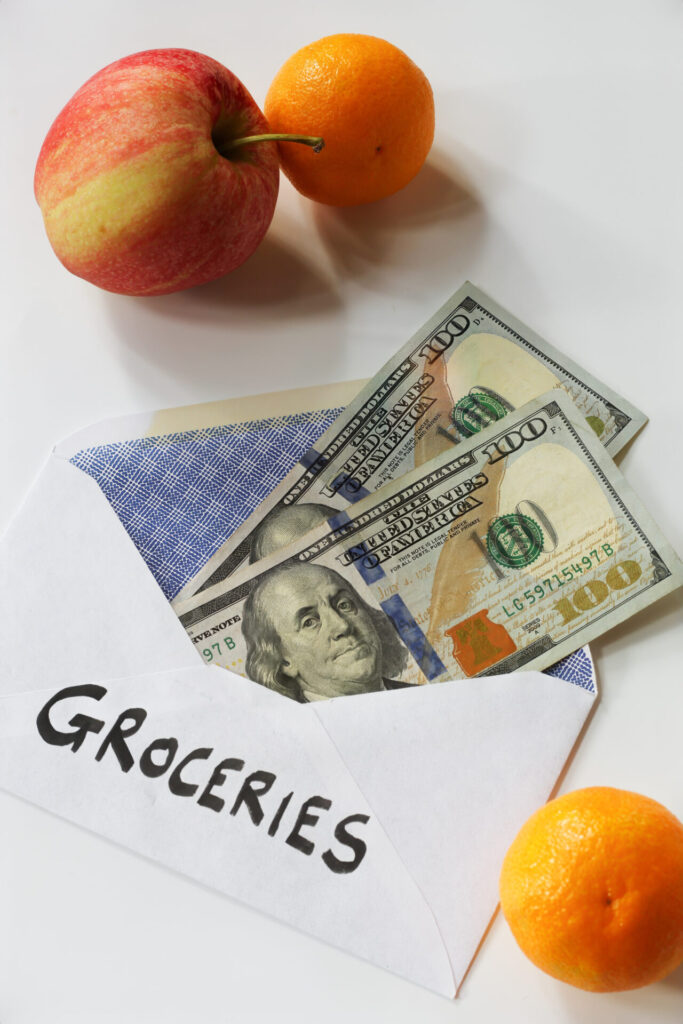
Your grocery bill is where you’ll see the biggest difference. A price book lets you catch when Target drops your go-to cereal to $2.49 instead of the usual $3.99, so you stock up and save about $15 a week on a $150 grocery budget. Not bad, but you’ll need to track prices for at least six weeks to spot those patterns.
Coupon apps work differently. Ibotta pays you $0.50 to $2.00 per item on certain brands, which can add up to $8–12 per $150 trip.
Fetch Rewards just scans your receipt and gives you points worth $1–3, no matter what you buy. The Target app stacks manufacturer coupons with Target Circle offers, and you can layer those with Ibotta rebates.
For non-grocery shopping, Rakuten gives 2–8% cashback at lots of stores, while Capital One Shopping sometimes finds promo codes for 10–25% off. Price books don’t help here—non-grocery stuff doesn’t have regular sale cycles. Buy $75 shoes? Rakuten could save you $6, or you might score $18.75 off with a 25% code from Honey.
Online deals? Apps win, hands down. Swagbucks and CouponCabin let you stack cashback with promo codes—something a price book can’t do. Sometimes, spending two minutes activating Checkout 51 offers saves more than weeks of price tracking for online buys.
Local deals with Groupon can slash restaurant and service costs by 30–50%. A $40 oil change drops to $22, or a $60 massage falls to $35. Price books just can’t touch those kinds of savings.
Time Investment vs Money Saved

You’ll probably spend 15-20 minutes a week keeping a price book up to date. That means jotting down prices at a few stores, checking your notes, and figuring out where to shop for the best deals. In a month, that’s about an hour or so of real effort for maybe $60-80 in savings.
Coupon apps? They usually take 5-10 minutes per trip, mostly while you’re already shopping.
Maybe you scroll through Ibotta as you head inside, tap some offers in the Target app while you wander the aisles, and scan your receipt with Fetch Rewards before you drive off. It barely feels like extra work since it fits into your normal routine.
Keeping a price book updated is a bit of a chore. If you skip a few weeks, your info gets stale fast. Apps handle updates on their own, but you still have to make sure you’re using active offers.
Flipp lands somewhere in the middle. It shows weekly ads digitally so you can compare prices without writing everything down. Scanning sales takes maybe 3-4 minutes, way less than the 15 minutes it takes to log prices by hand.
If you’re a serious deal hunter and stack offers across multiple apps, plan to spend 20-30 minutes per trip. You’ll activate Ibotta offers, check digital coupons, compare prices on ShopSavvy, and maybe browse Slickdeals for flash deals. This pays off for big $200+ shopping trips where you might save $40-60, but honestly, it’s overkill for a quick $30 grocery run.
Data from Field Tests and User Case Studies

A month-long test with identical $600 grocery budgets showed the price book user saved $87 by shopping strategically. The app user saved $104 through rebates and discounts. The app user spent 120 minutes that month, while the price book user spent 140 minutes.
One family tried both methods for three months and saved $412 on $1,800 worth of groceries. They kept a simple price book for their top 20 staples, which only took 5 minutes a week.
They also used Ibotta, Fetch Rewards, and store apps. Their meal plan relied on price book data to pick which proteins to buy.
A single shopper focused on online purchases found apps worked way better. Over two months and $850 spent, Rakuten and Honey combined for $97 in savings. The price book didn’t help at all for online shopping.
If you’re not sure which way to go, try a hybrid approach. Track your 15-20 most-bought items in a price book, then use apps for everything else. You’ll know when chicken breast drops to $1.99/lb and still snag cash back and rebates.
Online shoppers can skip the price book completely. Just add Capital One Shopping and Honey as browser extensions.
For bigger purchases, toss in Rakuten or TopCashback. You’ll save more per hour this way than you ever could tracking prices by hand.
Where you shop most really decides what works best. If you mostly buy groceries, pair a price book with Ibotta.
Online shoppers need a few apps but no notebook. Folks who do both should keep their price book simple and stick to three or four apps—otherwise, you’ll spend more time managing apps than actually saving cash.
See Related: Grocery Rebate Apps vs Coupon Apps: Save More on Every Shopping Trip
Where Each Tool Excels: When to Use a Price Book or a Coupon App

Price books shine for tracking price patterns at your regular stores. Coupon apps are best when you want instant discounts or spot a deal on something specific. The savviest shoppers know when to reach for each one.
Best Situations for Each Approach
If you shop at the same stores every week—Kroger, Safeway, Target—your price book becomes a real asset. Track prices for 6-12 weeks and you’ll start to see sale cycles that apps just can’t predict. You’ll know chicken breast drops to $1.99/lb every eight weeks, so you can stock up then instead of paying $4.99/lb the next week.
Price books also help you compare unit prices across brands and package sizes. When you note that pasta goes for $0.85/lb at one store but $1.00/lb at another, you have a reference that won’t vanish when you close an app.
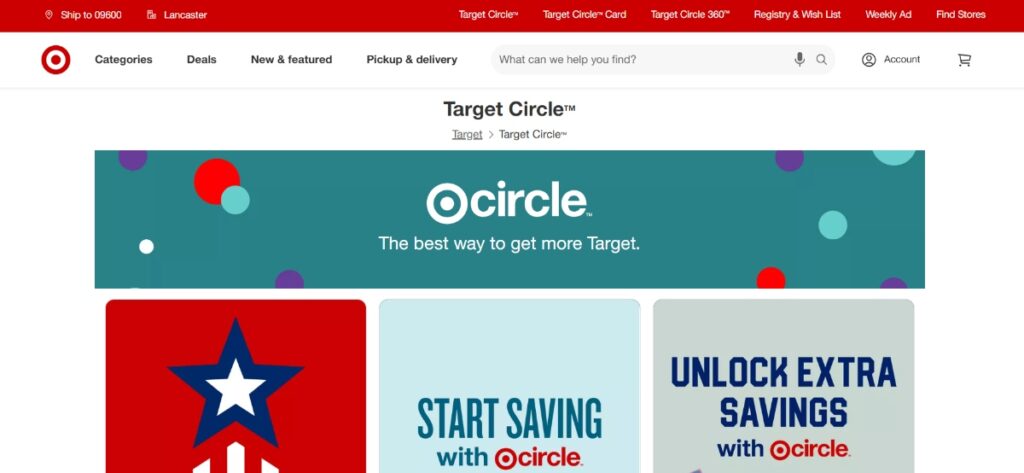
Coupon apps like Ibotta, RetailMeNot, and store-specific apps (Target Circle, Safeway) rule in other scenarios. They’re perfect for online shopping since you can plug in digital codes instantly. They’re also handy if you spot a random deal or want manufacturer coupons for things you already needed.
Apps like ShopKick reward you just for walking into stores and scanning products, so you earn savings without changing your habits. GasBuddy helps you find [cheaper gas prices](https://reluctantfrugalist
How to Avoid Overwhelm and Decision Fatigue

Start with just one or two tools, tops. If you stick to shopping at one or two grocery stores, a simple price book can do the trick. If you shop mostly online, pick one browser extension like Honey or Capital One Shopping and call it good.
Decision fatigue creeps in when you’re juggling four different cash-back apps at checkout or trying to remember which coupon site had the best deal. Choose your main method based on where your money actually goes.
If you drive a lot, focus on gas rewards apps like Upside. Those who buy lots of groceries see better results with receipt-scanning apps like Fetch or Ibotta.
Don’t chase every deal. If a coupon saves you 50 cents but you have to drive 15 minutes out of your way, you’re wasting gas and time.
Track only the 10 to 15 items you buy most often in your price book. These are your basics—milk, eggs, bread, chicken, pasta, that kind of thing.
Limit deal hunting to 10 minutes per shopping trip. Check your app, scan for digital coupons, then move on. The goal is steady, small savings, not burning out by week three chasing perfection.
Streamlining Your Savings Workflow

Make a pre-shopping routine that takes under five minutes. Open your chosen app, check the latest offers, and add digital coupons to your store loyalty card before heading out. Keep paper coupons in your car, sorted by expiration date.
Offer stacking is where real savings start to add up without extra work. Stack a store digital coupon, a printable manufacturer coupon, and a cash-back app on the same item. For example: $1 off digital coupon, $0.75 paper coupon, and 5% back through Ibotta—boom, that’s $2+ off on one purchase.
Link your loyalty cards to your cash-back apps once and forget about it. Apps like Ibotta and Fetch pull your purchases automatically, so you don’t have to scan every receipt. This works at most big chains like Walmart, Target, and Kroger.
Keep a notes file on your phone with your lowest prices from your price book. When you’re in the store, glance at it to see if the “sale” is actually a deal. No need for a physical notebook or a spreadsheet.
Common Mistakes and How to Avoid Them

The biggest mistake? Buying stuff you don’t need just because you have a coupon. If you grab a 50% off coupon for frozen pizza but never eat pizza, that’s still wasted money. Only track items in your price book that you already buy weekly or monthly.
Coupon stacking sounds amazing until you’re holding up the checkout line trying to use five codes. Most stores only allow one manufacturer coupon and one store coupon per item. Check your store’s policy before you shop.
Don’t sign up for every browser extension you see. Running three different coupon tools at once just causes conflicts—they block each other or apply bad codes. Pick one with good reviews and stick with it.
Forgetting to activate offers before shopping is a common slip with apps like Upside. Set a phone reminder 30 minutes before you usually leave for the store. If you don’t activate, you miss the cash back—even with a valid receipt.
Ignoring expiration dates on coupons wastes your time. Check dates weekly and use the soonest-to-expire first. Most store apps show expiration dates right on the coupon list.
See Related: Easy Frugal Habits for Beginners That Transform Your Finances
Frequently Asked Questions

Price books track the lowest prices per unit over time. Coupon apps give you instant discounts or cash back on specific purchases. Both work better when you know exactly how to use them—and when to stack them for maximum savings.
What are the best strategies for using a price book to maximize savings on groceries?
Track unit prices, not just shelf prices. A 16-ounce peanut butter jar for $3.99 is $0.25 per ounce. A 40-ounce jar for $7.99 is $0.20 per ounce. Write down the unit price, store, date, and if it was on sale.
Focus on the 20 to 30 items you buy most. Don’t bother tracking every product. Track chicken breast, ground beef, milk, eggs, bread, butter, pasta, rice, canned tomatoes—whatever you buy at least twice a month.
Before shopping, check your price book and stock up when things hit their lowest price. If chicken breast drops from $4.99 to $2.99 per pound, buy enough to last until the next sale.
Update prices every four to six weeks. Sales cycles repeat. Most stores rotate deals monthly. After two or three months, you’ll start to notice patterns.
Are there coupon apps that consistently offer better discounts than traditional paper coupons?
Ibotta and Fetch Rewards usually beat paper coupons because you can stack them. Clip a $0.50 manufacturer coupon, use it at checkout, then upload your receipt to Ibotta for another $0.75 back. That’s $1.25 saved instead of just $0.50 with paper.
Digital coupons in store apps like Target Circle or Kroger often match or beat paper values. Target Circle regularly has $1 to $2 off items that might only have a $0.50 paper coupon. Store apps let you load multiple coupons at once—no clipping or printing.
Rebate apps work on sale items, while paper coupons sometimes don’t. Buy yogurt on sale for $0.88, use a $0.50 Ibotta rebate, and pay just $0.38. Most paper coupons say “cannot be combined with other offers.”
The tradeoff? Timing. Paper coupons save you money right away. Rebate apps make you wait a day or two for cash back, and you need $3 to $20 before you can cash out.
How do you determine which coupon apps are most effective for saving money in-store?
Download three apps and track your cash back for a month. Try Ibotta, Fetch Rewards, and your main store’s app. Write down how much each app pays after four weeks.
Check redemption time and cash-out minimums. Shopkick lets you cash out at $2. Ibotta makes you wait for $20. If you only earn $5 a month, Ibotta takes four months to pay out.
See if the app covers products you actually buy. Ibotta loads up on brand-name deals like Pepsi, Tide, and Philadelphia cream cheese. If you buy store brands, Fetch Rewards gives points on anything, no matter the brand.
Consider the effort required. Some apps want you to watch videos, scan barcodes, or answer surveys. If scanning barcodes for 8 cents annoys you, stick with receipt-only apps.
Test stacking at your store. Walmart, Target, and Kroger usually let you use one manufacturer coupon, one store digital coupon, and unlimited rebate apps on the same item. Aldi and Costco don’t take manufacturer coupons, so rebate apps are your only shot there.
Could you recommend free coupon apps that are easy to use and frequently updated with new offers?
Fetch Rewards is the easiest. Just scan any receipt and earn points—no offer selection, no prep. You get 25 points per receipt plus bonuses on certain brands. Cash out starts at 3,000 points for a $3 gift card.
Ibotta updates offers every Wednesday and has the most brand-specific deals. You’ll see over 100 grocery offers weekly, plus bonuses for buying multiples. Link your store card or scan receipts. Cash out at $20 via PayPal or gift cards.
Your grocery store’s app—Target Circle, Kroger, Safeway, Albertsons—refreshes digital coupons weekly. Clip them before shopping and they apply at checkout. These apps also send personalized deals based on your buying habits.
Flipp shows weekly ads from every store near you in one place. It doesn’t give cash back, but it’s great for comparing prices. You can also clip digital coupons in Flipp and link them to store cards.
In what ways might combining a price book with a coupon app enhance cost-saving on regular purchases?
Your price book tells you when something hits its lowest price. Coupon apps let you stack extra savings on top of that. If chicken breast hits $2.49 per pound and Ibotta offers $1 back, you’re getting it for $1.49 per pound.
Use your price book to pick which store to visit, then check coupon apps for extra offers at that store. Maybe Kroger has pasta at $0.99, and you have a $0.50 Ibotta rebate. That beats Walmart’s $1.19 price, even without a rebate.
Track your combined savings in your price book. Write down the sale price, coupon value, and app rebate. After a month, add up how much you saved with just sales versus sales plus apps. Most people save an extra $20 to $40 monthly by stacking both.
Price books stop you from wasting rebates on bad deals. Just because Ibotta offers $1 back doesn’t mean the item is cheap. Your price book might show that brand usually costs $4, but a competitor’s product costs $2. Even with the rebate, you’d pay $3—still more than the competitor.
What advice do you have for someone trying to choose between a price book and a coupon app for their savings journey?
Honestly, if you’re looking for quick wins and don’t want to mess with a lot of prep, just grab a coupon app. Download your favorite store’s app or something like Ibotta. Clip a few offers and you’ll probably notice some savings right away—maybe even this week.
Leave a Reply