
Are you tired of watching your grocery bill climb higher every month? I know the feeling. Last year, I spent over $800 monthly to feed my family of four until I discovered the power of strategic couponing.
Now I’ve cut that bill nearly in half! You can save hundreds on groceries monthly by combining digital coupons, store circulars, and simple shopping strategies without spending hours clipping paper coupons.

The secret isn’t extreme couponing that takes over your life. It’s about knowing key tricks, like shopping on Tuesdays when many stores update their sales, “stacking” store and manufacturer coupons for double savings, and using digital coupons that require a quick checkout scan. I was skeptical at first, too, but these simple habits quickly became second nature.
Many grocery stores even double coupon values, turning a 50-cent discount into a whole dollar off. Rain checks have also become my budget’s best friend—when a sale item is out of stock, I get a voucher to buy it at the sale price later. These small changes add to significant savings that have transformed my budget without sacrificing the foods my family loves.
Essentials of Couponing

When done right, mastering couponing can dramatically cut your grocery bills by up to 80%. The key is understanding how coupons work, knowing where to find them, and creating a system to keep them organized.
Understanding Coupon Basics
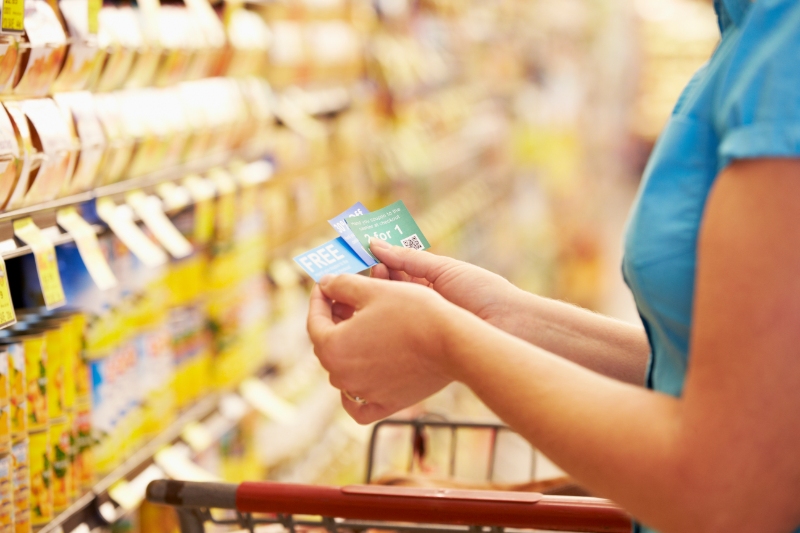
Coupons come in several types: manufacturer coupons (issued by brands), store coupons (offered by retailers), and digital coupons (loaded to loyalty cards). Always check expiration dates and restrictions before planning your shopping trip.
Most coupons include crucial fine print. Look for “limit one per purchase” versus “limit one per transaction”—they mean very different things! The first means one coupon per item, while the second means one per shopping trip.
Stacking coupons can multiply your savings. This means using both a store coupon and a manufacturer coupon on the same item. Some stores even allow triple stacking with digital coupons, too!
Don’t get stuck on brand names. Store brands are often cheaper, even with coupons, but when you can match a sale with a coupon, name brands become the better deal.
Where to Find Coupons

Sunday newspapers remain a gold mine for severe couponers. The inserts (like SmartSource and RetailMeNot) contain dozens of high-value coupons worth the cost of the newspaper.
Digital options have exploded in popularity. Download your favorite store’s app and check sites like Coupons.com, which let you print coupons or load them directly to your loyalty card.
Store flyers and websites often feature exclusive coupons. Check these weekly before planning your shopping trips.
Follow coupon influencers on social media platforms like Instagram and TikTok. These experts share time-sensitive deals and match-ups that might not be advertised elsewhere. Don’t overlook product packaging! Many items come with “peelies” (removable coupons on packaging) or information about rebate apps like Ibotta.
Organizing Your Coupons

A disorganized coupon collection is almost useless. Most serious couponers use a binder system with baseball card holders or specialized coupon organizers divided by categories.
Label your sections clearly with categories like “dairy,” “frozen,” “household,” and “personal care.” This makes finding the right coupon quick at the checkout line.
Sort coupons by expiration date within each category. This prevents the heartbreak of finding a great coupon only to realize it expired last week.
Purge your collection monthly to remove expired coupons. Some military families overseas can use expired coupons, so consider donating them instead of tossing them out.
Create a “shopping list” section in your organizer to plan deals before heading to the store. Match coupons with store sales for maximum savings on items you need.
Strategizing Your Savings

Turning casual couponing into serious savings requires thoughtful planning and organization. The right strategy can transform your grocery budget and put money back in your pocket every month.
Creating a Grocery List with Savings in Mind

Start by taking inventory of what you already have at home. Before making your list, check your pantry, refrigerator, and freezer to avoid buying duplicates.
Use a dedicated notebook or grocery app to track your needs. Many store apps now integrate with their loyalty programs, showing personalized deals based on your shopping history.
Consider organizing your list by store sections (produce, dairy, etc.) to shop more efficiently and avoid impulse purchases. Studies show that shoppers who stick to lists save 23% more than those who shop without them.
Pro tip: Keep a running list throughout the week as you notice items running low. This prevents last-minute additions that might not have coupons available. Don’t forget to note which items can be substituted with store brands if coupons aren’t available for name brands.
Planning Purchases Around Coupons

Review coupon sources before planning meals for the week. Look for the best deals in grocery store flyers, coupon websites, and apps.
Weekly planning strategy:
- Sunday: Review coupon inserts and digital offers
- Monday: Plan meals around sale items
- Tuesday-Friday: Shop when stores are less crowded
Stock up on non-perishable items at their lowest price, even if you don’t need them immediately. This “stockpile” approach can save you up to 80% on pantry staples.
Be flexible with your meal plan. If chicken wasn’t on your list but suddenly has a great coupon + sale combo, consider adjusting your menu to take advantage.
Remember that stores often rotate sales cycles every 6-8 weeks, so tracking prices helps identify excellent deals.
Matching Coupons to Sales

The magic happens when you combine manufacturer coupons with store sales—this “stacking” approach can sometimes make items free or nearly free. Learn your store’s coupon policy.
Some allow you to use both a store coupon and a manufacturer coupon on the same item, maximizing your savings. Others might double coupons up to a specific value.
Tracking tools:
- Price book (notebook or app)
- Coupon organizer (sorted by expiration date)
- Store loyalty accounts (all connected to your phone)
Watch for “catalina” deals—those coupons that print at checkout for your next shopping trip. They can often be combined with other promotions for even deeper discounts.
Don’t ignore digital coupons! Most major grocery chains now offer paperless loading options that can be linked to your loyalty card.
See Related: Is It Smart to Be Frugal? Money-Saving Habits That Transformed My Finances
Leveraging Technology

Technology has transformed the way we save money on groceries. Digital tools now make finding and using coupons easier than ever, saving time and money.
Mobile Apps for Couponing

Several apps can help you save money without cutting paper coupons. Ibotta is a popular rebate app that gives you cash back on groceries.
After shopping, just scan your receipt and get money back for qualifying items. Many users report saving $20-40 per month using Ibotta alone.
Fetch Rewards works similarly but awards points for scanning any receipt. These points can be redeemed for gift cards to popular stores. It’s super easy to use – just snap a photo of your receipt and earn points.
Coupons.com and Checkout 51 are other worthwhile options. Each app has different offers, so using multiple apps can maximize your savings. I’ve found that spending 10 minutes checking these apps before shopping can save me $15-25 on a typical grocery trip.
Digital Coupons and Online Deals

Many grocery stores offer digital coupons on their websites. These coupons can be loaded directly to your store loyalty card – no printing needed! Simply click the coupons you want online, then scan your loyalty card at checkout.
“Stacking” coupons can multiply your savings. This means using a store coupon and a manufacturer’s coupon on the same item. For example, you might combine a $1 off store coupon with a $1 manufacturer’s coupon for $2 total savings.
Some stores also offer special online-only deals through their websites. Check these before shopping to plan your list around the best discounts. Digital coupon users typically save 10-15% on their grocery bills without the hassle of clipping paper coupons.
Staying Updated with Store Apps

Store-specific apps deliver personalized savings right to your phone. The CVS app, for instance, sends customized deals based on your shopping habits and lets you store ExtraBucks rewards digitally.
Target’s app features “Circle” offers and lets you scan items in-store to check for unadvertised deals. Walmart’s app offers its Savings Catcher to match lower prices automatically.
Most store apps will send notifications about flash sales and one-day discounts you might otherwise miss. Enable notifications to catch these limited-time offers.
Set aside 5 minutes weekly to check your favorite store apps for new deals. With minimal effort, this quick habit can save you $5-10 per shopping trip. Store apps often reward loyal customers with better deals than the general public.
Maximizing Store Policies

Knowing how stores handle coupons can significantly affect your grocery savings. Each retailer has unique rules that, once mastered, can multiply your discounts significantly.
Understanding Store Coupon Policies

Different stores have different coupon policies that can work to your advantage. Target, for instance, allows you to stack one manufacturer coupon with one Target store coupon on the same item. This can sometimes result in getting items for free or even making money!
Kroger doubles coupons up to $0.50 in some locations, instantly increasing savings. They also regularly offer digital coupons that can be loaded onto your loyalty card.
Publix is particularly coupon-friendly. They accept competitor coupons and allow BOGO (buy one, get one) stacking. You can use two manufacturer coupons when purchasing items during a BOGO sale.
Always check the store’s website for their current policy or ask for a printed copy at customer service. Policies change frequently, so staying updated helps you avoid checkout surprises.
Advantages of Loyalty Programs

Joining store loyalty programs is free and offers immediate savings. Kroger’s loyalty program provides personalized digital coupons based on your shopping habits and special pricing on hundreds of items.
Sam’s Club offers a Plus membership that gives you 2% back on qualifying purchases, early shopping hours, and pharmacy discounts. This quickly pays for itself if you shop there regularly.
Dollar General’s Digital Coupon program lets you clip coupons online and redeem them automatically at checkout. DG Digital Coupons often include $5 off a $25 purchase offer on Saturdays.
Most loyalty programs also track your purchases, making returns easier and sometimes providing tailored coupons for items you regularly buy. I save about $15-20 per trip using my loyalty cards at various stores.
Combining Coupons with Store Offers

The magic happens when you combine manufacturer coupons with store sales and promotions. At Target, watch for their “Gift Card with Purchase” promotions. Buy items included in these deals and use manufacturer coupons for double savings.
Kroger frequently runs “Buy 5, Save $5” events where you save $1 on each participating item when you buy 5. Add manufacturer coupons on those same items, and the savings multiply!
Many stores also have clearance sections. Using coupons on already-reduced items can result in incredible deals. I once got pasta sauce at Publix for just $0.25 per jar by using coupons on clearance items.
Once you track weekly sales cycles, they become predictable. Items typically go on sale every 6-8 weeks, so stock up when prices are lowest and you have coupons to match. This strategic shopping can cut your grocery bill in half!
Choosing the Right Stores

Not all grocery stores offer the same coupon policies, so choose stores that let you maximize your savings. Shop on Tuesdays when possible, as many stores release new specials and markdowns midweek. This timing can help you find better deals.
Pay close attention to store circulars. These promotional flyers highlight weekly sales and can guide your shopping list. Most stores now offer digital versions of their circulars, making them easy to access.
Look for stores that offer “double coupon” days when your coupons’ value is multiplied. Some grocers will even match competitors’ prices if you bring in their ads.
Consider shopping at no-frills discount stores for basics. These stores often have lower everyday prices, making your coupons stretch further.
Purchasing Store Brands vs. Premium

Store brands (also called private labels) typically cost 20-30% less than name brands and often match in quality. Try comparing ingredient lists—they’re frequently identical!
Don’t dismiss premium brands completely. When you pair manufacturer coupons with sales, premium items can sometimes cost less than store brands. This strategy works exceptionally well for household products and personal care items.
Be flexible with your brand loyalty. If you have a coupon for Brand X but Brand Y is on a deep discount, do the math to see which offers the better value.
Many store brands offer satisfaction guarantees. If you don’t like the product, most stores will refund your money, making it risk-free to try these budget-friendly alternatives.
Buying Everyday Items on Discount

Stock up on non-perishable essentials when they hit their lowest price point, even if you don’t need them immediately. Items like toilet paper, dish soap, and canned goods can be stored for months.
Keep a price book (digital or paper) to track the normal prices of items you buy regularly. This helps you recognize genuine deals when they appear.
Rain checks are your secret weapon! Ask for a rain check if a sale item is out of stock. The store will honor the sale price when the item returns to the shelves.
Combine manufacturer coupons with store sales for maximum savings. This “stacking” technique can sometimes make products free or nearly free.
Don’t forget about digital coupons. Most major grocery chains now offer loyalty apps where you can load coupons directly to your account – no clipping required!
Smart Budgeting

Getting the most from your couponing efforts starts with a solid financial plan. Smart budgeting helps you maximize savings and make informed decisions about where your grocery dollars go.
Allocating a Grocery Budget

Start by examining your monthly income and expenses to determine how much you can spend on groceries. Financial experts typically recommend setting aside 10-15% of your income for food, but this varies based on your household size and location.
Create a weekly or monthly grocery budget that works for your situation. For a family of four, this might be $150-$200 weekly, depending on your area’s cost of living.
Divide your budget into categories:
- Essentials: 60-70% (proteins, produce, dairy)
- Pantry staples: 20-25% (grains, canned goods)
- Discretionary items: 5-10% (snacks, treats)
Leave a small buffer (about 5%) for unexpected price increases or special occasions. This structured approach gives you a framework to evaluate coupon opportunities against your actual needs.
Tracking Your Grocery Spending

Use simple tools to monitor where your money goes. Free apps like Mint or a basic spreadsheet can help you record purchases and track spending patterns.
Save your receipts and review them weekly. Circle items that weren’t on your original list to identify impulse buys. Many shoppers discover they spend 20-30% more than planned when they don’t track expenses.
Consider using the envelope method – placing your weekly grocery cash in an envelope and stopping when it’s empty. This tangible approach makes overspending impossible.
Digital couponing apps like Ibotta or Fetch record your savings automatically. These apps show precisely how much you save with each shopping trip, making it easier to stay motivated.
Evaluating Cost vs. Savings

Not all coupons lead to actual savings. Before using a coupon, ask yourself: “Would I buy this anyway?” and “Is this still more expensive than a store brand?”
Calculate your real savings by comparing:
- Regular price vs. coupon price
- Store brand price vs. name brand with coupon
- Cost per unit (like price per ounce)
Keep a simple log of items you buy regularly and their typical prices. Tracking 15 everyday items helped me spot genuine deals and avoid “fake” sales.
Don’t chase deals that require buying more than you need. Spending $10 to save $2 isn’t savings if you wouldn’t normally spend that $10. Focus on coupons for items already on your list to ensure you’re reducing your actual household costs.
See Related: Can You Be Frugal and Rich: Wealth-Building Habits That Save Thousands
Exploring Membership and Bulk Stores

Membership stores offer unique opportunities to slash grocery bills through bulk buying and members-only deals. These warehouse-style retailers can significantly reduce your per-unit costs while providing access to exclusive savings programs.
Benefits of Bulk Purchases

Buying in bulk typically lowers the cost per unit, saving you money in the long run. At Costco and Sam’s Club stores, you can purchase larger quantities of non-perishable items like rice, pasta, and canned goods at much lower per-ounce prices than regular supermarkets.
For example, a 25-pound bag of rice might cost $15 at Costco (60¢ per pound), while a 5-pound bag at a regular grocery store could cost $5 ($1 per pound). That’s a 40% savings!
Household items like toilet paper, paper towels, and cleaning supplies are also significantly cheaper in bulk. Just make sure you have storage space before loading up your cart.
Bulk meat purchases can be divided into meal-sized portions and frozen, giving you quality protein at reduced prices. Many families save $50-100 monthly just by buying meat in bulk.
Exclusive Coupons for Members

Membership stores offer special coupons and deals that are only available to their members. Costco’s monthly coupon books feature substantial savings on everyday essentials and seasonal items.
Sam’s Club offers an app with digital coupons that can be scanned at checkout. These savings are automatically applied without the hassle of paper coupons.
Apps like Merryfield work alongside your warehouse membership to provide additional cashback opportunities. You can earn points on purchases that convert to gift cards.
Don’t overlook the member-exclusive sales events! Both Costco and Sam’s Club run periodic promotions where you can save an extra 10-20% on already discounted items.
Many warehouse clubs also offer exclusive fuel discounts, helping you save beyond groceries.
Calculating Bulk Savings

Before buying in bulk, calculate the unit price to ensure you’re saving. Divide the total price by the number of units (ounces, counts, etc.) to find the cost per unit.
For example:
| Item | Regular Store | Bulk Store | Savings |
|---|---|---|---|
| Coffee | $8.99/12oz ($0.75/oz) | $19.99/32oz ($0.62/oz) | 17% |
| Cereal | $4.99/18oz ($0.28/oz) | $7.99/38oz ($0.21/oz) | 25% |
Keep track of your membership fee when calculating overall savings. A $60 annual fee means you must save at least $5 monthly to break even.
Consider shelf life when buying perishables in bulk. Food waste quickly erases savings. Only purchase what you can reasonably use before expiration dates.
Try splitting bulk purchases with friends or family to maximize savings without risking waste. This works exceptionally well for households with limited storage space.
Supporting Health and Wellness

Eating healthy doesn’t have to break the bank. With strategic couponing and shopping habits, you can fill your cart with nutritious foods while staying within budget.
Finding Deals on Healthier Options

Many stores now offer digital coupons specifically for fresh produce and healthier alternatives. Download your grocery store’s app to access these savings before you shop. Trader Joe’s offers competitive pricing on many healthy items without requiring coupons.
Look for the manager’s specials in the meat department. Stores often discount items approaching their sell-by date. For example, Applegate Farms products sometimes appear in clearance sections at 30-50% off.
Seasonal produce is typically cheaper and more nutritious. Stock up when prices drop and freeze extras for later use. Berries, spinach, and bell peppers freeze well for smoothies and future meals.
Join store loyalty programs that offer personalized deals based on your shopping habits. Many will start offering more coupons for healthy items you frequently buy.
Coupons for Organic and Specialty Foods

Brands like Dave’s Killer Bread and Vital Farms regularly offer printable coupons on their websites or social media pages. Sign up for their newsletters to get alerts when new deals become available.
Use coupon apps to find deals on specialty items like Siete grain-free tortillas or Lesser Evil snacks. These brands often offer higher-value coupons to encourage first-time purchases.
Don’t overlook store-brand organic products. They’re usually 15-25% cheaper than name brands and frequently offer additional coupon opportunities.
Stack manufacturer coupons with store sales for maximum savings. I recently got Vital Farms eggs for just $1.99 by combining a $1 off coupon with a store sale.
Watch for bulk deals on shelf-stable health foods. Many stores offer “buy 10 for $10” deals that can include healthy options like beans, brown rice, or canned vegetables.
See Related: Frugal Meaning: Life-Changing Habits That Saved Our Family $15,000
Frequently Asked Questions

Couponing can help you slash your grocery bills by 30-50%. Many shoppers save hundreds of dollars monthly by combining innovative strategies and staying organized with coupons.
What are the best strategies for finding and using coupons effectively at grocery stores?
Before shopping, start by checking your store’s weekly circular. These ads highlight the best deals and often contain store-specific coupons.
Sign up for your grocery store’s loyalty program. Members typically get exclusive coupons and personalized offers based on their shopping habits.
Stack coupons whenever possible. This means using a store coupon and a manufacturer’s coupon on the same item for maximum savings.
Shop on Tuesdays or Wednesdays when stores often release new deals but aren’t as crowded as weekends.
Be flexible with brands. Sometimes, the best deals are on brands you don’t usually buy, but the savings can make trying something new worthwhile.
Can you share some tips for organizing coupons to maximize savings on grocery shopping?
Use a small accordion file with labeled sections for different categories like dairy, produce, meat, and household items. This makes finding the right coupon quick when you’re in the store.
Sort coupons by expiration date. I check my collection weekly and move soon-to-expire coupons to the front so they don’t go to waste.
Create a simple spreadsheet or use a notes app to track your best deals. Note which stores have the lowest prices on your staples and when sales typically happen.
Take 15 minutes before shopping to match your grocery list with available coupons. This prep work prevents missing savings opportunities. Use plastic baseball card sheets in a binder for superior organization if you have many coupons.
Where can I find a reliable coupon database to help me save on my weekly grocery trips?
Websites like The Krazy Coupon Lady and Coupons.com offer comprehensive databases of current manufacturer coupons. They’re updated regularly and easy to search.
Your grocery store’s app is often overlooked but contains exclusive digital coupons you can load directly to your loyalty card. Sunday newspaper inserts remain valuable sources of high-value coupons, especially for household and personal care items.
Follow coupon aggregator sites that compile deals from multiple sources in one place. They often highlight the best combinations of sales and coupons each week.
Manufacturer websites for products you regularly use often have printable coupons or will mail coupons if you join their mailing lists.
How can I combine store and manufacturer coupons for the best grocery deals?
First, learn your store’s coupon policy. Most stores allow you to use one manufacturer coupon and one store coupon per item, but policies vary.
Next, watch for “Catalina ” coupons that print at checkout. You can often use them alongside other coupons on your next shopping trip.
Plan your shopping around store sales cycles. When an item is already on sale, adding coupons can sometimes make products nearly free.
After using coupons, use cash-back apps like Ibotta or Fetch. These apps give you rebates on purchases even after you’ve used coupons in the store.
Don’t ignore clearance items. You can usually apply coupons to these already-discounted products for massive savings.
Are there any mobile apps or websites you recommend for getting up-to-date grocery coupons and deals?
Ibotta is excellent for cash back on grocery purchases. You can add offers before shopping and submit your receipt afterward to earn money back. Flipp digitizes all local store circulars in one place and lets you search across stores for the best deals on specific items.
Some stores also have their apps with digital coupons you can clip directly to your account. For example, Target’s Circle and Kroger’s app are good options.
Coupons.com has a website and app for finding and printing manufacturer coupons or loading them to loyalty cards. You can also pair cashback credit card apps with coupon savings. Many cards offer extra cash back on grocery purchases, effectively stacking another discount.
What advice do you have for someone trying to start couponing for groceries without getting overwhelmed?
Start small with just 5-10 coupons per shopping trip. Focus on products you already buy regularly rather than trying to use every coupon you find.
Follow a coupon blog that matches your favorite store. These experts work hard to find the best deals and explain how to combine offers.
Permit yourself to make mistakes. Even experienced couponers sometimes miss deals or forget to use a coupon.
Set a realistic time commitment. You don’t need to spend hours cutting coupons – even 30 minutes a week can save you significant money.
Track your savings to stay motivated. Many store receipts show how much you saved, and watching those numbers grow is incredibly rewarding.
Leave a Reply