
Three years ago, my $3,200 monthly mortgage payment just crushed any hope I had of financial freedom. I felt trapped, working overtime to afford a house bursting with rooms I barely stepped in.
Tiny house living changed everything for me. I downsized from 2,400 square feet to a snug 320 and, honestly, it flipped my finances upside down (in a good way). Living tiny can slash your housing costs by 60-80%, wipe out mortgage debt, and free up thousands each year for debt repayment or savings.

If you’re feeling overwhelmed by housing expenses eating half your paycheck, you’re not alone. So many folks get lured into buying the biggest home they can “afford,” then end up house-poor and stressed out.
The tiny house movement isn’t just about saving money—it’s about reclaiming your time, lowering financial stress, and making space for what matters.
I’ll walk you through how tiny house living can cut your expenses with lower utility bills, minimalist living, and smarter construction. You’ll see how to deal with zoning rules, pick affordable materials, and build a lifestyle that actually leads to financial freedom.
Key Takeaways
- Tiny house living can wipe out mortgage payments and reduce housing costs by 60-80% compared to traditional homes.
- Downsizing forces you to embrace minimalism, which naturally lowers utility bills and pointless spending.
- Being strategic with materials and zoning laws is essential if you want to maximize savings on your tiny house build.
How Tiny House Living Slashes Expenses

Tiny house living can totally transform your finances by wiping out those massive housing costs—think big mortgages and high utility bills. The savings usually show up in three main places: way lower purchase prices, cheaper setup, and minimal monthly expenses.
Major Cost Differences vs Traditional Homes

The gap between tiny homes and traditional houses is, honestly, jaw-dropping. A typical tiny house costs $30,000 to $60,000 to build, while the average American home runs about $400,000.
Monthly housing expenses drop from $2,200 for a traditional mortgage to just $500 for a tiny house loan. Property taxes shrink too. Instead of $3,000 a year, you might pay $200 to $800, depending on where you live.
Utility bills get tiny—no pun intended. Electric bills that used to be $120 a month might fall to $30 or less. Water use? Most tiny homes cut that by 60%.
Here’s the 30-year savings breakdown:
| Housing Type | Monthly Cost | 30-Year Total |
|---|---|---|
| Traditional Home | $2,200 | $792,000 |
| Tiny House | $500 | $180,000 |
| Savings | $1,700 | $612,000 |
A lot of tiny house owners just pay cash upfront and say goodbye to housing payments for good. That’s real freedom.
1. Initial Investment and Setup Costs
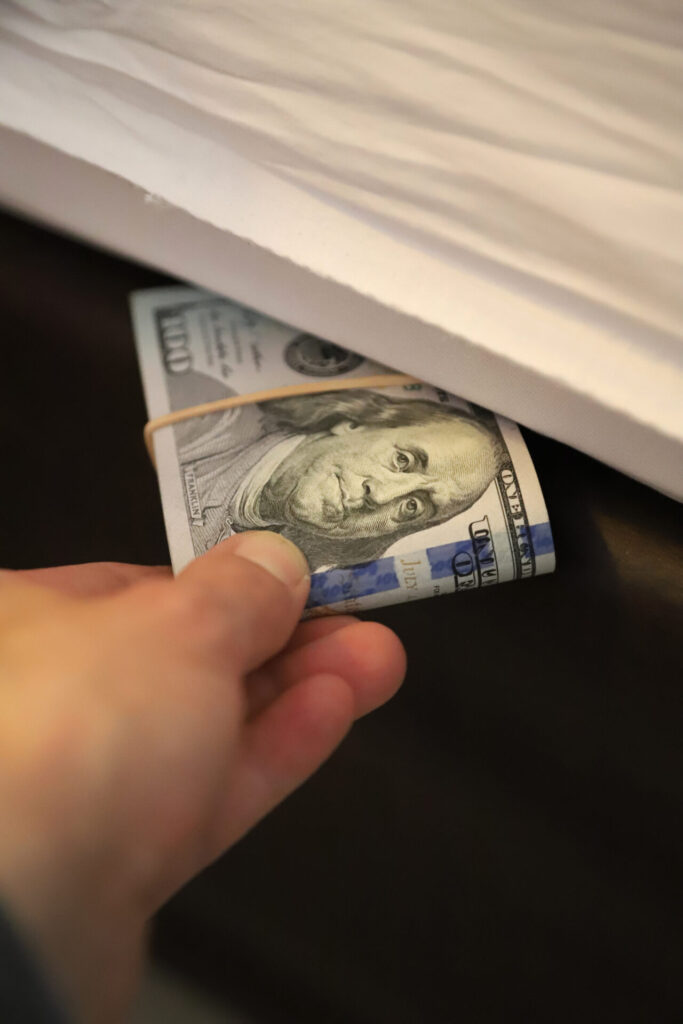
Upfront costs can vary wildly depending on whether you build yourself or hire someone. DIY builds usually run $30,000 to $50,000, while pro builds can hit $60,000 to $120,000.
Building materials for a tiny home cost much less than for a regular house. You need fewer materials, but sometimes the specialized stuff gets expensive. Compact appliances might set you back $3,000 to $8,000. If you add solar, budget $5,000 to $20,000.
Permits can sneak up on you—on average, they’re $1,350 but can reach $4,000. Renting land costs $300 to $800 a month in rural areas. Insurance is another $500 to $1,500 yearly.
If you don’t own tools, DIYing can cost $2,000 to $5,000 just for gear. Expect to spend 800 to 1,000 hours building—about six months of full-time work.
2. Understanding Monthly Living Expenses

Monthly expenses in a tiny house usually land between $500 and $900. That covers land rental, utilities, insurance, and maintenance.
Utility bills stay impressively low. Electric is $25 to $50 monthly. Propane for heat and cooking runs $30 to $60. Water bills might drop to $15 to $30 if you’re hooked up to city water.
If you go off-grid, you can ditch some bills altogether. Solar means no electric bill after install. Composting toilets cut water use. Rainwater collection can seriously shrink your water bill.
Maintenance is cheaper because, well, there’s less to break. Expect $100 to $300 a year for repairs, versus $1,000 to $2,000 for a regular house.
If you need storage for stuff that doesn’t fit, that’s $50 to $200 a month. Living further out might bump up your transportation costs, though.
Downsizing and Embracing Minimalism

Moving into a tiny house takes a real shift in how you see your stuff and your space. Honestly, the path to financial freedom through minimalism starts with changing your relationship with material things and figuring out how less can mean a lot more for your wallet.
3. The Mindset Shift: Letting Go of Excess

Your journey into the tiny house movement starts in your head, not your moving truck. You’ve got to question every single thing you own and ask if it serves you.
Walk through your place with fresh eyes. That exercise bike collecting dust? It’s costing you money in space. Kitchen gadgets you use twice a year? They’re hogging storage you could use for daily essentials.
The trick is figuring out wants vs. needs. Maybe you want that stack of books, but you need only the ones you actually read. Everything else? Borrow it or go digital.
Downsizing makes you face your emotional ties to stuff. We all keep things “just in case” or for the memories. Try snapping photos of sentimental things before you donate them. You’ll keep the memory, ditch the storage cost.
This mental shift takes time, usually three to six months. Be patient with yourself. It’s weird at first, but you’ll start to find joy in empty spaces, not clutter.
4. Benefits of a Simpler Lifestyle

Living with fewer possessions pays off for your wallet and your peace of mind. You’ll clean less, organize less, and maintain less.
Fewer possessions mean lower insurance costs. Homeowner’s or renter’s insurance drops when you don’t have a house full of valuables. Some folks save $200-400 a year just on insurance.
Shopping gets easier. When you know what you have, you buy less. Impulse spending drops because you can remember what’s in your closet or pantry. Most people cut spending by 15-30% in their first year.
Minimalism also cuts down on decision fatigue. Fewer clothes? Less time staring at your closet in the morning. A simple wardrobe of 30-40 solid pieces costs way less than a closet stuffed with “maybes.”
| Benefit | Average Monthly Savings |
|---|---|
| Reduced storage needs | $50-150 |
| Lower insurance costs | $15-35 |
| Fewer impulse purchases | $100-300 |
| Simplified maintenance | $25-75 |
5. How Minimalism Multiplies Savings

Financial freedom from minimalism isn’t just about the first round of savings. When you own less, you need less space, and that’s where the real magic happens.
A big house means you’re paying to heat, cool, and maintain every square foot. In a tiny house, utilities might run $30-80 a month, versus $150-300 for a bigger place. Over time, those savings add up.
There are hidden costs to owning stuff, too. Every item takes your time and energy to maintain, organize, and eventually replace. Cut your possessions by 70% and you’ll free up money and mental space for the good stuff—experiences and people.
Downsizing to a tiny house usually drops your living expenses by 40-60%. If you used to spend $2,000 a month on housing and bills, you might be down to $800-1,200 in a tiny home.
This financial shift means you can build an emergency fund way faster. Lots of tiny house folks save their first $10,000 within 18 months, while most homeowners take 4-5 years.
The money you don’t blow on extra stuff can go straight into investments. Even $500 a month invested (instead of spent) could grow to $200,000 in 20 years at a 7% return. That’s some serious peace of mind.
See Related: Frugal vs Cheap Differences That Can Transform Your Financial Life While Maintaining Quality
Cutting Utility Bills in a Tiny Home

Tiny house living can seriously cut your monthly utility bills—sometimes by 60-90% compared to a regular house. Smart appliances, good insulation, and water conservation do most of the heavy lifting.
6. Energy-Efficient Appliances That Save Money

What you choose for appliances makes a huge difference. ENERGY STAR appliances use 10-50% less energy and fit nicely in small spaces.
Mini-split systems are my go-to for heating and cooling. These ductless units use about 30% less energy than old-school HVAC. A 12,000 BTU model costs around $40-60 a month to run and can handle up to 750 square feet.
Compact refrigerators that use 200-400 kWh a year keep your electric bill in check. Go with a 4-7 cubic foot model—enough for basics, not bulk storage.
Combination appliances like washer-dryer combos use 25% less electricity than two separate units. Microwave-convection combos can save you 60% compared to standard ovens.
Tankless water heaters heat water only when you need it, using about 30% less energy than tank models. Point-of-use units under sinks cut energy loss from long pipes.
LED lighting is a no-brainer. It uses 75% less electricity than old bulbs, and smart LEDs let you dim lights to save even more.
7. Insulation for Lower Heating and Cooling Costs

Great insulation can chop your heating and cooling costs by 50-80%. The trick is picking the right stuff for your tiny house’s slim walls.
Spray foam insulation gives you the best bang for your buck at R-7 per inch. It seals air leaks and insulates well in tight spaces. Expect to pay $1,500-3,000 but save $200-400 a year on energy.
Sheep’s wool insulation is all-natural and offers R-3.8 per inch. It’s great for moisture control, especially in damp climates.
Weather sealing is a must. Use expanding foam around outlets and pipes, and slap weatherstripping on doors and windows.
Window upgrades matter more than you think. Double-pane windows with low-E coatings cut energy loss by 40%. Throw in insulated curtains for another 10-15% heating savings.
Roof insulation is crucial since heat rises. Shoot for at least R-30 in cold places. Reflective barriers under metal roofs bounce summer heat away, keeping things cool.
8. Water Conservation Strategies

Water heating eats up 15-20% of your utility bill, so smarter water use can make a real dent.
Low-flow fixtures lower hot water demand without feeling wimpy. Swap in 1.5 GPM faucet aerators and 1.75 GPM showerheads. That alone saves 20-30% on water heating.
Shorter showers help a ton, especially with small water heaters. Five minutes uses 8-12 gallons; ten minutes burns through 25. Set a timer and watch the savings add up.
Greywater systems reuse sink and shower water for plants. A basic setup costs $200-500 and can cut water bills by 30-40% if your rates are high.
Rainwater collection is free water for cleaning and plants. A 55-gallon barrel costs $50-100 and fills fast when it rains. Use it for laundry or outdoor cleanups.
Smart water habits matter too. Fix leaks right away and only run the dishwasher when it’s full. Even a slow drip can waste 3,000 gallons a year—and make your water heater work overtime.
Eco-Friendly Solutions for Cost Reduction

Let’s be honest: green living isn’t just good for the planet—it can seriously cut your monthly bills. I’ve seen solar panels wipe out electricity bills, rainwater systems slice water costs by half, and composting toilets save thousands you’d otherwise flush away (literally).
9. Installing Solar Panels and Renewable Energy Options

Solar panels offer some of the biggest long-term savings for tiny house folks. A basic 400-watt setup might run $2,000-$4,000, but say goodbye to that $80-150 electric bill each month.
Add a battery storage system and you’re set for cloudy days. Lithium batteries hover around $200-300 per 100Ah, but they stick around for a decade or more if you treat them right.
Start with a simple kit:
- 2-4 solar panels (400-800 watts)
- A charge controller to keep things safe
- Pure sine wave inverter for your AC gadgets
- Battery bank sized for a couple of days’ power
Plenty of tiny house owners say they break even in 3-5 years. After that? Your power is free. Some states even toss in tax credits up to 30% of your installation costs.
If you get decent wind, small 400-watt turbines (about $500-800) can back up your solar in those gloomy winter months.
10. Rainwater Collection Systems

Rainwater collection is a game-changer for water bills—think $30-80 off each month, depending on where you live and how much you use. You can set up a basic system for $300-800, and it pays for itself in a few years.
Your roof becomes a rain magnet. Every inch of rain falling on a 200-square-foot roof gives you about 125 gallons of water.
Here’s what you need:
- Gutters and downspouts to catch water
- First-flush diverter for the gunk
- Storage tanks (even 55-gallon drums work)
- Simple filtration if you want to drink it
Elevate your tanks next to your house, and you get water pressure without running a pump. That means no extra electricity costs.
Most people use rainwater for toilets, laundry, or the garden. It’s a solid way to cut your city water use by almost half.
11. Composting Toilet for Self-Sufficiency

Composting toilets can change the game. They wipe out water and sewage bills, and you get free fertilizer for your garden. The good ones (like Nature’s Head) cost $1,000-1,500, but you’ll never need to install a septic system.
Septic systems can eat $3,000-7,000 of your budget. Composting toilets let you skip all that. You’ll save 30-50 gallons of water every single day.
Here’s what you get:
- No water use (save $15-25/month)
- No septic pumping (save $200-300/year)
- Compost for your garden
- Works off-grid—no electricity needed
Modern composting toilets use little fans to keep things odor-free and speed up the process. You’ll empty the solids every 4-6 weeks for two people.
Compost needs a couple years to fully break down before it’s garden-safe. Some folks keep two systems rotating so they always have ready compost.
Navigating Land, Zoning Laws, and Legalities

Finding the right land and understanding the local legal maze can make or break your tiny home dreams—not to mention your budget. You need to know what you’re getting into before you spend a dime.
12. Choosing Land for Your Tiny Home

The land you choose shapes your monthly costs for years. Rural spots usually offer the cheapest deals, with raw land starting at $1,000 to $5,000 per acre in places like Texas or Alabama.
If you can, pick a spot with existing utilities. Hooking up power, water, or septic from scratch can run you $10,000 to $30,000. That’s a chunk of change better spent on, well, anything else.
Property taxes swing wildly based on location. That $50,000 Tennessee lot might only cost $200 a year in taxes, but in California, you could shell out $2,000 or more. Seriously, check before you buy.
Keep these in mind:
- How far are you from work and essentials?
- Is there year-round road access?
- Any flood or wildfire risks?
- Can you get decent internet for remote work?
- Are the neighbors tiny-home friendly?
RV parks and tiny home communities are another route. Monthly fees run $300 to $800, and utilities are usually included. No property taxes, and you skip the big upfront land buy.
13. Understanding Zoning Laws and Permits

Zoning laws determine where you can legally park your tiny home. If you get this wrong, you could face huge fines or even get kicked off your land. Most places see tiny homes as RVs, ADUs, or permanent houses.
Residential zones often want 600-1,200 square feet minimum, so your 400-square-foot place probably won’t fly. Some cities, like Portland or certain Texas towns, are more flexible.
Permits can cost $500 to $2,000, depending on your spot and your home’s type. If you build on a foundation, you’ll need the same permits as a regular house. On wheels? Sometimes you can dodge building codes and register as an RV.
| Permit Type | Typical Cost | Timeline |
|---|---|---|
| Building Permit | $500-$2,000 | 2-8 weeks |
| Electrical | $50-$200 | 1-2 weeks |
| Plumbing | $50-$300 | 1-2 weeks |
Call your local zoning office before you buy land or start building. Ask about tiny homes, minimum square footage, and if homes on wheels are allowed. Some places let you stay as a temporary structure for up to 180 days per year.
Mixed-use zones are often more relaxed than strict residential areas, so check those out if you’re hitting dead ends.
See Related: Minimalist Frugal Challenge Ideas Ways to Simplify and Save Big
Building Materials and Construction Choices That Save Money

Picking the right materials and construction methods can shave thousands off your total build cost. With a little effort and some creativity, you can keep quality high and your wallet happy.
14. Affordable and Durable Building Materials

Wood is your best friend for framing and siding. Plywood runs $20-40 a sheet, pine goes for $15-30 per board foot, and cedar (if you splurge) is $30-50 but shrugs off rot.
Reclaimed wood can save you $2-5 per square foot. Plus, it adds character you just can’t buy at the big box store.
Metal roofing is a no-brainer for long-term savings. Steel or aluminum costs $100-150 per 100 square feet and lasts 40+ years. That’s way cheaper than re-roofing with shingles every decade.
| Material | Cost Range | Best Use | Money-Saving Tip |
|---|---|---|---|
| Plywood | $20-40/sheet | Framing, subflooring | Buy standard sizes to avoid waste |
| Reclaimed wood | 50-70% off retail | Siding, flooring | Source from local demolition sites |
| Metal roofing | $100-150/100 sq ft | Roofing | Choose basic profiles over premium |
Structural Insulated Panels (SIPs) cost $7-12 per square foot. They look pricey, but they cut your labor time in half and include insulation.
If you source materials locally, you’ll slash transportation costs by 15-20%. Pine from a nearby mill beats imported lumber every time.
15. DIY vs Hiring Professionals

You can build 60-70% of your tiny house yourself—really. Framing, insulation, and interior stuff aren’t rocket science if you watch a few YouTube tutorials and take your time.
DIY framing alone can save $3,000-8,000. Basic carpentry skills and a weekend workshop are honestly enough to get started. You’ll just need some essentials: a circular saw, drill, level, and tape measure.
For electrical, plumbing, and tricky roofing, hire a pro. Electricians charge $1,500-3,000, but you avoid expensive mistakes and code headaches. Plumbing runs $800-2,000, depending on the setup.
The hybrid method is a sweet spot. Do what you can, then call in the pros for the technical stuff. That can cut your labor bill in half and still keep things safe and up to code.
Start with simple projects like flooring or interior walls. You’ll build confidence and skills without risking the structure. And hey, save your receipts—some states give tax breaks for owner-builders.
Achieving Financial Freedom Through Tiny House Living

Tiny houses can help you break free from the money pit of traditional homeownership. The movement isn’t just hype—it’s a real way to ditch debt and build lasting security.
16. Breaking the Cycle of Debt and Overspending

Right now, housing probably eats up 30-50% of your paycheck. That’s cash you can’t use to kill off debt.
Tiny living flips the script. Instead of a $1,500-$3,000 mortgage, you might pay $300-$800 for land rent. That frees up $1,000-$2,000 a month for crushing debt.
Take Sarah, for example. She owed $45,000 in student loans and paid $2,200 in rent. After moving into a $35,000 tiny house, her housing dropped to $400 a month for parking.
She put the extra $1,800 toward debt and paid off her loans in 2.5 years, not 15.
Monthly Budget Comparison:
- Traditional: $2,200 rent + utilities
- Tiny house: $400 land + $150 utilities = $550
- Savings: $1,800 every month
Living tiny also changes your mindset. With less space, you just stop buying stuff you don’t need. Shopping becomes intentional, not emotional.
17. Long-Term Financial Security Benefits

Tiny house living isn’t just about debt—it’s about building real wealth.
Without a massive mortgage, your emergency fund grows way faster. Saving three to six months’ expenses happens in months, not years.
You suddenly have money to invest. That extra $1,500 a month can go into index funds or retirement savings.
If you start at 25 and invest $1,500 monthly at 7% returns, you could hit $4 million by retirement.
Property taxes and maintenance stay tiny. Most homeowners spend 1-3% of their home’s value on upkeep. In a tiny house, you might spend $500-$1,500 a year, not $5,000-$15,000.
Insurance drops, too. Tiny home insurance usually runs $300-$1,000 per year, compared to $1,500-$3,000 for a regular house.
Annual Savings Breakdown:
- Property taxes: $2,000-$8,000
- Insurance: $1,000-$2,500
- Maintenance: $3,000-$10,000
- Total: $6,000-$20,500 saved every year
Tiny houses mean every dollar you don’t spend on a big home can grow into future wealth and freedom.
See Related: Easy Frugal Habits for Beginners That Transform Your Finances
Frequently Asked Questions

Downsizing to a tiny house can drop your monthly housing costs from $1,500-$3,000 to just $300-$800. But let’s be real: there are upfront expenses and sneaky hidden costs that catch a lot of first-timers off guard. If you know the full financial picture, you’ll make smarter choices about when, where, and how to set things up.
How much can I realistically save on living expenses by moving into a tiny home?
Honestly, you could save anywhere from $1,200 to $2,500 a month, just on housing. The typical American drops about $1,674 every month for a place to live, but most tiny house folks pay just $300-$800 for land rental and utilities together.
The real game-changer? Ditching the mortgage. Most people with a $200,000 mortgage fork over $1,200 a month, and that’s before you even think about taxes and insurance.
Utility bills? They plummet. You might see your electric bill shrink from $150 to just $30-$50, since you’re only heating or cooling a few hundred square feet instead of a whole house.
If you park your tiny home on rented land, you can skip property taxes entirely. Even if you own the land, the taxes barely make a dent because the value’s so much lower.
What are the hidden costs of transitioning to a tiny house lifestyle?
Land rental fees sneak up on a lot of people. RV parks can run $400-$1,000 a month, and private land usually costs $200-$500.
Insurance gets complicated and, honestly, a bit pricey. Standard homeowner’s insurance won’t touch a tiny house on wheels, so you’ll need a specialty policy—expect $300-$600 a year.
If you move your home a lot, those costs add up fast. Gas, permits, and pro towing can run $500-$1,500 every time you relocate.
Storage becomes a recurring bill for many. Renting a unit for off-season gear or stuff you can’t cram in the house usually costs $50-$150 a month.
And let’s be real—when your kitchen’s tight, you might eat out more. Some folks say they spend 30% more on restaurants and takeout than they did before going tiny.
Can you highlight the ways tiny living contributes to a more sustainable lifestyle?
Moving into a tiny house slashes your carbon footprint by about 45%. It just takes way less energy to heat, cool, and light a small space.
Water use drops without much effort. Most tiny homes only need 7-15 gallons a day, compared to the U.S. average of 80 gallons per person.
Solar power actually makes sense here. For $5,000-$10,000, you can outfit a tiny house with a full solar setup—try doing that with a regular house and you’ll barely scratch the surface.
You end up buying less stuff, simply because there’s nowhere to put it. That means less junk gets made, shipped, and tossed.
Composting toilets actually help too. They take pressure off sewer systems and give you free fertilizer for your garden—kind of a win-win.
What financial incentives do some states offer for downsizing to a tiny home?
California gives up to $3,000 back for tiny homes with solar, thanks to the Self-Generation Incentive Program. You’ll need to hit certain energy efficiency requirements.
Oregon has property tax exemptions for tiny homes under 600 square feet if you use them as accessory dwellings.
Colorado Springs skips building permit fees for tiny houses that meet their design standards. That’s $500-$2,000 saved right off the bat.
Some rural Texas counties even hand out free land to attract tiny house communities and boost their local economies.
Federal solar tax credits sweeten the deal too. You get 30% back on your solar installation up through 2032.
Are there any tax benefits tied to owning a tiny house that I should be aware of?
Mortgage interest deductions usually don’t work for tiny houses, since most are classified as personal property—not real estate. So, yeah, you’ll miss out on the classic homeowner tax break.
If you run a business from your tiny house, though, you can deduct the percentage of space you use just for work.
Moving for a job? You can deduct moving expenses if your tiny house is your main home for at least 39 weeks.
Sales tax gets weird. Some states treat tiny homes as RVs (lower tax), while others call them manufactured homes (higher tax).
Property taxes? They stay super low or sometimes vanish completely, saving you anywhere from $2,000 to $8,000 a year compared to owning a regular house.
What are the initial costs involved in setting up a tiny house to make it fully functional?
So, let’s talk numbers. If you buy a finished tiny house from a pro builder, you’re probably looking at $65,000 to $100,000.
DIY types can build for $25,000 to $50,000, but you’ll need to carve out 6-12 months of your life for the project. That’s a commitment—just being honest.
Utility hookups? Those will run you another $2,000 to $5,000. That covers getting your electrical, water, and sewer lines set up at your chosen spot.
Want to go off-grid? Solar power systems start around $5,000 and can reach $15,000 if you want the works. A basic 400-watt setup is fine for lights and a laptop, but if you want a full-size fridge, you’ll need 800 watts or more.
Permits and inspections aren’t exactly fun, but they’re necessary. Most places charge $500 to $3,000. If your house is on wheels, some areas want engineering stamps, which can tack on another $1,000 to $2,500.
And don’t forget the appliances. Composting toilets cost about $1,200. Mini-fridges? Around $400. If you want a combo washer-dryer, plan for $1,500.
It adds up fast, doesn’t it? But hey, that’s the price of freedom on your terms.
Leave a Reply