Have you ever wondered if your money-saving ways are helping or hurting you? I’ve spent years fine-tuning my financial habits, discovering a crucial line between being smart with money and being stingy.
When I started my financial journey, I thought being financially responsible meant skipping restaurant tips and buying the cheapest products regardless of quality. I quickly learned that wasn’t the case.

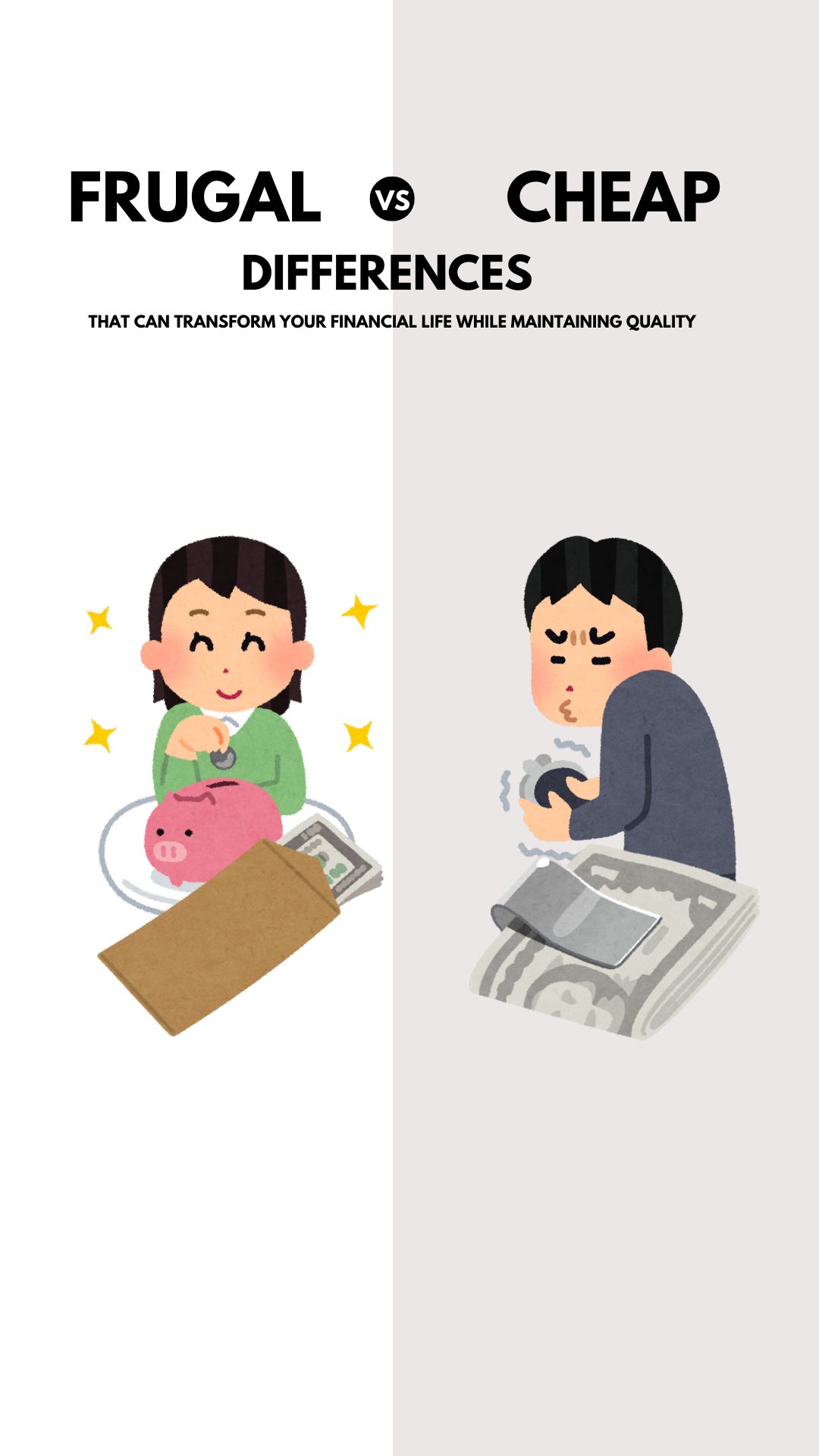
Being frugal means prioritizing your spending on things that matter, while being cheap focuses solely on spending the least amount possible, regardless of consequences. Frugal people understand value – they might spend more on quality items that last longer or invest in experiences that bring joy. Cheap behaviors affect others negatively, like not tipping servers or never reciprocating when friends buy you drinks.
The difference impacts not just your wallet but your relationships too. I’ve found that embracing frugality has helped me build wealth while enjoying life’s pleasures.
It’s about making intentional choices rather than depriving yourself or others. This distinction changed my approach to money and dramatically improved my financial well-being.
Understanding the Concepts

Money habits reveal a lot about our values and priorities. “frugal” and “cheap” are often used interchangeably, but they represent fundamentally different approaches to managing money and resources.
Definition of Frugal

Being frugal means being thoughtful about spending and focusing on value rather than just price. Frugal people prioritize spending on things that matter to them while cutting costs in less critical areas.
When you’re frugal, you look for ways to save money without compromising quality or experiences that bring genuine happiness. You might:
- Cook at home most nights, but enjoy an occasional restaurant meal
- Buy quality items that last longer, even if they cost more upfront
- Use coupons and wait for sales for non-urgent purchases
- Repair items instead of replacing them when possible
Frugality is about being resourceful and mindful of waste. You don’t deprive yourself of necessities or things that bring value to your life. Instead, you make intentional choices about where your money goes.
Definition of Cheap

Being cheap primarily focuses on spending the least money possible, often at the expense of quality, experiences, or relationships. When you’re being affordable, the bottom line is always the price tag, regardless of other factors.
Cheap behaviors might include:
- Skipping tipping at restaurants
- Buying the lowest-priced option regardless of quality or durability
- Avoiding necessary maintenance that could prevent costly repairs later
- Expecting others to pay more than their fair share
The cheap mindset often stems from a scarcity mentality about money. You might become so focused on not spending that you miss the bigger picture of value and long-term costs.
Unlike frugality, cheapness can impact your relationships when you consistently prioritize saving money over generosity or fairness in social situations. It’s about hoarding resources rather than using them wisely.
The Psychology Behind Spending

Our spending habits often reveal deeper psychological patterns that shape our financial decisions. Money behaviors are rarely just about dollars and cents – they reflect our values, fears, and priorities.
Mindset of a Frugal Person

Frugal people value efficiency above all else. They focus on getting the most value from every dollar spent, not just spending less. They view money as a tool to achieve life goals rather than something to hoard.
Frugal people typically feel satisfied when making smart purchases that align with their values. For example, you might spend $150 on quality boots that last years instead of $40 on ones that need yearly replacement.
They practice intentional spending by asking questions like:
- “Do I really need this?”
- “Is this the best use of my money?”
- “Will this purchase bring lasting value?”
Research shows frugal people often experience less financial stress. You’re more likely to have emergency savings and feel confident about your financial future.
Mindset of a Cheapskate

Cheapskates experience anxiety when spending money, almost any amount. You might feel physically uncomfortable paying for necessary car repairs or medical care.
Their decisions revolve around price alone rather than value. A cheapskate might choose the $5 shirt that falls apart after three washes instead of the $20 one that lasts years.
Cheapskates often display these behaviors:
- Avoiding necessary expenses (skipping doctor visits)
- Expecting others to cover costs (never bringing drinks to parties)
- Choosing the cheapest option regardless of quality or ethics
This mindset stems from scarcity thinking – you believe there’s never enough money, even when your finances are stable. This outlook can damage relationships when you prioritize saving every penny over people’s feelings.
Unlike frugality, which feels empowering, being a miser often leads to missed opportunities and diminished life experiences.
See Related: Top Frugal Living Tips With a Big Impact That Will Transform Your Finances and Life
Frugality in Practice

Frugality is about making intentional choices that maximize value while minimizing waste. It involves strategic planning and mindful spending that helps you build wealth over time without sacrificing quality of life.
Smart Budgeting Techniques

Creating a realistic budget is the foundation of frugal living. Start by tracking all monthly expenses using apps like Mint or YNAB to see where your money goes. You might be surprised!
Implement the 50/30/20 rule: allocate 50% of income to needs, 30% to wants, and 20% to savings and debt repayment. This simple framework helps prioritize spending without feeling restricted.
Try the envelope system for variable expenses like groceries and entertainment. Put cash in labeled envelopes at the beginning of each month, and when it’s gone, stop spending in that category.
Set specific financial goals to stay motivated. Having a purpose for your frugality—like building an emergency fund or saving for a vacation—makes budgeting feel rewarding rather than restrictive.
Effective Cost-Cutting Strategies

Negotiating bills can reduce fixed expenses. I saved $30/month by calling my internet provider and asking for a better rate. Companies often offer discounts to retain customers.
Embrace meal planning to slash grocery bills. Plan weekly menus around sales, prep meals in batches, and bring lunch to work. My family cut our food budget by 40% with this strategy alone!
Consider the sharing economy for occasional needs. Borrow tools from neighbors, use your local library for books and media, or join community groups where members exchange services.
Be energy-conscious at home. Switch to LED bulbs, use programmable thermostats, and unplug electronics when not in use. These small changes can reduce utility bills by 10-15% annually.
Value-Oriented Spending

Focus on cost-per-use when making purchases. A $200 quality winter coat worn for 5 years is more frugal than a $50 coat replaced annually. Think long-term value, not just upfront price.
Research before buying. Use price comparison tools, read reviews, and wait for sales on big-ticket items. I saved $150 on a new refrigerator by waiting for a holiday weekend sale.
Invest in experiences that bring lasting happiness rather than accumulating stuff. Research shows that experiences provide more sustained satisfaction than material possessions.
Practice the 24-hour rule for non-essential purchases over $50. Wait a day before buying to prevent impulse spending. You’ll often find the urge passes, saving you from buyer’s remorse.
Consider buying quality used items. Furniture, cars, and electronics can often be found in excellent condition at 50-70% off retail prices through marketplace apps, thrift stores, or estate sales.
The True Cost of Being Cheap

Being cheap might save money in the short term, but it often leads to unexpected expenses and difficulties later on. What seems like smart saving can cost more in dollars, relationships, and overall happiness.
Potential Impact on Quality of Life

When you choose the cheapest option for everything, your quality of life can suffer significantly. Imagine buying the $10 shoes that fall apart after a month instead of the $50 pair that would last a year. You spend $120 yearly instead of $50 while dealing with uncomfortable, worn-out footwear.
Cheap mattresses can lead to poor sleep and back problems. Skipping regular dental checkups might save $100 now, but it could result in $1,000+ procedures later. Low-quality food choices might be cheaper at checkout but can affect your health and energy levels.
Some cheap decisions even create daily frustration. That bargain phone charger that barely works or the apartment with poor insulation that drives up your heating bills are constant reminders of false economy.
The Long-Term Financial Consequences

Surprisingly, being cheap often costs more money over time. You’re stuck in an expensive replacement cycle when you buy the most affordable appliance that breaks after 18 months instead of a mid-range model with a 5-year warranty.
Look at these examples:
- Cheap car maintenance: Skipping $30 oil changes can lead to $3,000 engine repairs
- Bottom-tier insurance: Saving $15/month might mean a $2,000 higher deductible when you need it
- DIY repairs: Attempting to fix your plumbing could turn a $150 professional job into $800 of water damage
Emergency funds often get depleted faster when you own unreliable items. Plus, cheap products typically lack energy efficiency, raising your utility bills month after month.
Relationships and Social Implications

Being cheap can seriously damage your relationships. Friends may stop inviting you out if you always choose the most affordable restaurant option and calculate your exact portion down to the penny.
Tipping poorly or never picking up the tab doesn’t go unnoticed, nor does giving cheap gifts or constantly borrowing items you refuse to buy. These behaviors can make others feel undervalued.
At work, colleagues might view your extreme cost-cutting as selfish or short-sighted. This perception can affect teamwork and even career advancement.
Family members often bear the brunt of cheap tendencies. Your partner might resent always vacationing at the least expensive destinations, or your children might feel embarrassed by visibly cheap clothing or school supplies compared to their peers.
See Related: Proven Ways to Live a Simple and Frugal Life That Will Transform Your Finances and Happiness
Balancing Quality and Cost

The key to smart spending lies in how you evaluate purchases. Finding the sweet spot between price and quality requires thoughtful consideration, not just looking at the price tag.
When to Invest for Longevity

Some items are worth spending more on upfront. Think about products you use daily or that protect your safety—quality shoes, a reliable mattress, or good kitchen knives. These investments often save money long-term.
For example, a $100 pair of well-made boots might last 5 years, costing you $20 annually. Meanwhile, cheap $30 boots that fall apart annually cost more over time.
The frugal approach looks at cost-per-use. A higher-priced item that lasts longer is often the better value. This is especially true for:
- Appliances with energy-efficient ratings
- Tools if you use them regularly
- Winter coats and everyday clothing
- Electronics that you depend on daily
Remember: Being cheap focuses only on today’s price tag. Being frugal considers tomorrow’s replacement costs, too.
Finding the Middle Ground

Not everything needs to be top-tier quality. Many everyday items work perfectly fine at lower price points. The trick is knowing when to save and when to splurge.
Where to save:
- Generic groceries and basic pantry items
- Cleaning supplies and paper products
- Trendy clothing items or accessories
- Items you use infrequently
Helpful tip: Research before buying. Read reviews, compare features, and look for the “sweet spot” where quality and price meet. Often, the mid-range option offers the best value.
Try the “24-hour rule” for non-urgent purchases. Wait a day before buying to determine if you need the item and at what quality level.
Remember that being frugal means being intentional with your money, not depriving yourself of quality where it matters.
Practical Tips for Frugal Living

Being mindful about spending doesn’t mean sacrificing quality or happiness. The key is finding that sweet spot where you save money while enjoying life’s essential things.
Money-Saving Hacks for Everyday Life

Start your frugal journey in the kitchen. Meal planning can save a typical family of four about $100 weekly by reducing food waste and impulse purchases. Make a shopping list and stick to it!
Use cashback apps like Ibotta or Rakuten for everyday purchases. I’ve earned over $300 in a year just by scanning receipts and clicking through these apps before online shopping.
Consider the “24-hour rule” for non-essential purchases. When tempted by something, wait a full day before buying. You’ll be surprised how many “must-haves” become “can-waits.”
Embrace secondhand shopping for clothing, furniture, and appliances. Thrift stores, Facebook Marketplace, and apps like Poshmark offer quality items at a fraction of retail prices.
Cut unnecessary subscriptions. Review your monthly bills and ask: “Does this service bring enough value?” Many people save $50-100 monthly by eliminating unused subscriptions.
How to Avoid the Pitfalls of Cheapness

Focus on value, not just price tags. Buying a $50 pair of shoes that lasts years is more frugal than buying $15 shoes that you must replace every few months.
Don’t skimp on experiences that truly matter to you—being frugal means prioritizing spending on what brings genuine joy, not eliminating all fun expenses.
Proper maintenance of what you own is essential. Regular oil changes for your car (about $40) prevent costly $3,000+ engine repairs. This principle applies to home maintenance, appliances, and even clothing care.
Avoid free things you don’t need. That complimentary t-shirt or promotional item clutters your space if it serves no purpose. True frugality means being intentional about what you bring home.
Remember that your time has value too. Sometimes, paying for a service makes sense if it frees you to earn more or enjoy precious time with loved ones.
Creating a Sustainable Budget

Start with tracking your spending for 30 days. Apps like Mint or YNAB can categorize expenses automatically, revealing spending patterns you might never notice otherwise.
Use the 50/30/20 rule as a starting framework:
- 50% for needs (housing, food, transportation)
- 30% for wants (entertainment, dining out)
- 20% for savings and debt repayment
Build an emergency fund first. Aim for $1,000 initially, then work toward 3-6 months of expenses. This prevents going into debt when unexpected costs arise.
Try cash envelopes for categories where you tend to overspend. Studies show people spend 12-18% less when using physical cash instead of cards.
Review and adjust your budget monthly. Being frugal isn’t about perfect budgeting—it’s about progress and flexibility. Your spending plan should evolve as your life changes.
See Related: Tips for Frugal Living at 60 Years Old: Thrive on Less and Enjoy More in Retirement
Frequently Asked Questions

Money habits reveal a lot about our values and priorities. The line between being smart with money and being unnecessarily tight can sometimes blur in everyday situations.
What key behaviors distinguish a frugal person from a cheap one?
Frugal people prioritize value over price. They spend intentionally on things that matter to them while cutting back on less essential expenses.
Cheap individuals focus solely on spending as little as possible, often at the expense of quality or others’ comfort. For example, a frugal person might buy a higher-quality coat that lasts for years, while a cheap person repeatedly buys the least expensive one.
Another crucial difference is the impact on others. Frugal people don’t let their saving habits negatively affect others, while cheap people might skip appropriate tipping or expect others to cover their share.
How does one’s psychology affect their tendency to be frugal versus cheap?
Fear often drives cheap behavior. If you’re constantly worried about insufficient money, you might make decisions based primarily on price rather than value.
Frugality typically comes from a mindset of intentionality and priorities. You understand your financial goals and make conscious choices about where to spend and where to save.
Your upbringing plays a significant role, too. If you grew up during financial hardship or with parents who emphasized extreme saving, these patterns might affect your relationship with money as an adult.
Can you recommend any ways to test if one’s spending habits are cheap or frugal?
Ask yourself if your saving decisions harm relationships. Do friends avoid dining out with you because you argue over the bill or under-tip? This could signal cheap rather than frugal behavior.
Consider the quality-to-price ratio in your purchases. Frugal people understand that the cheapest option isn’t always the most economical in the long run.
Reflect on whether you feel deprived or satisfied with your spending choices. Frugality should feel empowering rather than restrictive.
In what ways does being frugal differ from being stingy?
Frugal people are generous when it matters. They might budget carefully but will spend appropriately on gifts or experiences with loved ones.
Like cheap ones, stingy individuals find it difficult to part with money even when social norms or relationships call for it. They might bring the most affordable wine to a dinner party or never offer to pay for others.
Frugality is about your spending habits, while stinginess affects how you handle money with others.
What traits are typically associated with thrifty spending instead of frugal or cheap?
Thrifty spenders excel at finding creative ways to save. They might repair items instead of replacing them or repurpose household objects cleverly.
Thriftiness involves a particular joy in the process of saving. While frugality is more about mindful spending decisions, thriftiness often includes elements of creativity and resourcefulness.
Thrifty people typically don’t sacrifice quality or relationships for savings. They simply enjoy the challenge of doing more with less.
What are some tips for embracing frugality positively without crossing into cheap territory?
Define your priorities and values. Spend generously on things that align with your values while cutting back on expenses that don’t matter as much to you.
Never compromise on items that affect health, safety, or significant quality-of-life factors. Buying quality where it counts is key to positive frugality.
Practice generosity within your means. Even when budgeting carefully, allocate funds for gifts, appropriate tipping, and occasional treats for loved ones.
Remember that time has value, too. Don’t spend hours driving across town to save a few dollars if it consumes your valuable time and energy.
Leave a Reply