
Looking to save money without hiring professionals for every task? I understand the struggle as someone who transformed from a financial mess to a budget-savvy DIYer. I discovered how much I could save by learning basic home repairs—my first painting project saved me over $800 compared to professional quotes!

DIY projects aren’t just about saving money—they’re about gaining valuable skills while keeping more cash in your pocket. From cooking freezer meals instead of ordering takeout to simple home maintenance tasks like painting exteriors or redoing bathrooms, the financial returns can be significant. I’ve cut my monthly expenses by nearly 30% through strategic DIY choices.
The best part? Many worthwhile projects don’t require special skills or expensive tools. Making your trail mix, preparing fruit medleys, or baking bread costs a fraction of store-bought versions.
Even bigger projects like adding landscaping or replacing windows can offer huge savings when you tackle them yourself. These projects save money and often continue to pay off through increased home value or reduced utility bills.
Getting Started with DIY Projects

DIY projects can save you money and teach you valuable skills. The key is to start with the right projects for your abilities and have the proper tools without breaking the bank.
Assessing Your Skills and Selecting the Right Projects
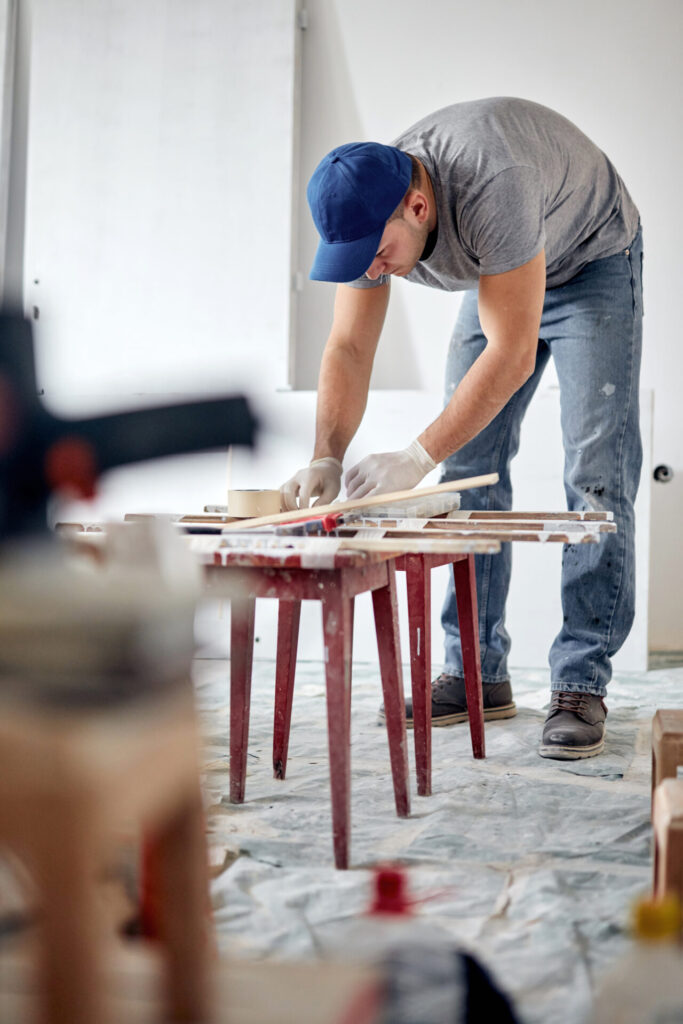
Begin by honestly evaluating what you can do. If you’ve never held a hammer, don’t start by rebuilding your deck! Look for beginner-friendly projects like making simple home decor or basic furniture refurbishing.
Start small with quick wins. Try making your cleaning products or repainting old furniture. These projects build confidence and skills gradually.
Match projects to your interests. Love cooking? Start by making bread or preserving food. Enjoy fashion? Try updating old clothes with simple sewing techniques.
Consider the cost-benefit ratio. Some DIY projects sound frugal but may cost more than buying ready-made. Calculate potential savings before starting. For example, making your bread can save about $2-3 per loaf compared to artisanal bakery items.
Tools and Materials: What You Need and Where to Get Them Cost-Effectively

Start with basic tools that serve multiple purposes:
- Multi-bit screwdriver set ($10-15)
- Hammer ($5-10)
- Measuring tape ($3-5)
- Utility knife ($5-8)
- Pliers ($8-12)
Don’t buy everything at once. Add tools as you need them for specific projects to spread out costs.
Thrift stores and yard sales are goldmines for affordable tools and materials. Check online marketplaces like Facebook Marketplace for secondhand tools at a fraction of retail prices.
Borrow before buying. Ask friends or family if you can borrow tools for one-time projects. Some libraries even have tool lending programs!
Repurpose what you already own for materials. Old furniture, fabric scraps, and containers can become valuable project materials. This approach is both eco-friendly and cost-effective.
See Related: Frugal Meaning: Life-Changing Habits That Saved Our Family $15,000
Money-Saving DIY Projects for the Home

Taking on home projects yourself can save hundreds or even thousands of dollars while giving you the satisfaction of creating something with your own hands. These affordable DIY projects can transform your living space without breaking the bank.
Home Improvement Hacks to Reduce Energy Costs

Installing weatherstripping around doors and windows costs under $20 but can save you up to $200 annually on heating and cooling bills. I immediately added this to my drafty windows last winter and noticed the difference.
Make your draft stoppers by filling old socks or tights with rice or beans and placing them at the base of doors. This five-minute project prevents cold air from seeping in during the winter months.
Replace standard light bulbs with LEDs. While they cost more upfront ($2-4 per bulb versus $1 for incandescents), they use 75% less energy and last 25 times longer. I’ve calculated about $15 savings per bulb over its lifetime.
Make natural cleaning solutions with vinegar, baking soda, and essential oils. A gallon of vinegar costs around $3 and replaces multiple cleaning products, saving you $20-30 monthly.
DIY Home Decor Ideas on a Budget

Transform plain walls with painted accent designs instead of expensive wallpaper. A $30 can of paint and some painter’s tape can create stunning geometric patterns that would cost hundreds if professionally done.
Make your picture frames from reclaimed wood or repainted thrift store finds. I’ve seen frames for $1-3 at secondhand shops that look amazing with a fresh coat of spray paint ($4).
Create custom throw pillows by recovering old ones with fabric remnants or repurposed clothing. This refreshes your living space for about $5-10 per pillow versus $25-40 for store-bought options.
Try mason jar lighting fixtures for unique, affordable lighting. A pack of jars ($10) plus simple electrical components creates charming pendant lights that would cost $50+ each in specialty stores.
Repurposing Everyday Items for New Uses

Turn wooden pallets (often free from local businesses) into outdoor furniture, shelving, or garden planters. A pallet sectional could save you $500+ compared to buying new outdoor furniture.
Use old ladders as towel racks or bookshelves. I found an old wooden ladder at a yard sale for $15 and transformed it into a bathroom storage solution that adds rustic charm and saves space.
Repurpose glass jars from pasta sauce or pickles into storage containers, vases, or drinking glasses. This inexpensive project reduces plastic waste while organizing your home.
Transform tin cans into pencil holders, kitchen utensil organizers, or mini planters with just paint and creativity. This zero-cost project gives new life to items you’d otherwise throw away.
Clothing and Wardrobe Savings

Your closet holds incredible potential for saving money with just a little creativity and basic skills. With simple DIY techniques, you can extend the life of your favorite pieces and transform outdated items into fashionable staples.
Transforming Old Clothes into Trendy Pieces

Turn those forgotten T-shirts into stylish crop tops by cutting and hemming the bottom. A basic sewing kit costs under $10 and will serve you for countless projects. Using household items like bleach or food coloring, you can create unique tie-dye patterns on plain white clothes.
Transform old jeans into trendy shorts for summer or add patches to create a personalized look. I’ve seen friends turn basic button-down shirts into fashionable off-shoulder tops with just a few strategic cuts and stitches.
Add iron-on patches or embroidery to plain jackets for a custom look that would cost $50+ in stores. Don’t overlook accessories either! Old scarves can become headbands, and fabric scraps work perfectly for making reusable face masks or scrunchies.
DIY Clothing Repairs and Upkeep

Learn to sew buttons back onto shirts instead of replacing the entire garment. A missing button can make a perfectly good shirt unwearable, but fixing it takes less than 10 minutes.
Small holes in sweaters can be darned with similar-colored thread. Jeans with worn knees can be patched or intentionally distressed for a trendy look, for which stores charge premium prices.
Extend the life of shoes by waterproofing them with beeswax or commercial sprays. Replace worn shoelaces instead of buying new shoes – this simple fix can make old footwear look fresh again.
Hand-washing delicate items rather than dry cleaning can save many people $20-30 monthly. Hang-drying clothes not only saves electricity but also prevents shrinkage and fabric wear, doubling the lifespan of your favorite pieces.
See Related: Is It Smart to Be Frugal? Money-Saving Habits That Transformed My Finances
In the Kitchen

The kitchen offers countless opportunities to save money through simple DIY projects. You can transform your cooking space while keeping your wallet happy with just a few creative ideas and basic tools.
DIY Cooking and Baking Essentials

Making your cooking staples can save you serious cash. Baking bread at home costs about $1-2 per loaf compared to $4-6 for artisanal store-bought options. You’ll also enjoy that amazing fresh-baked smell throughout your house!
You can create your spice blends by buying basic spices in bulk and mixing them yourself. Homemade taco seasoning costs pennies per serving, compared to pre-packaged options, which cost $1+ each.
Homemade cookies and desserts are another money-saver. A batch of chocolate chip cookies costs about $3-4 to make at home, but would cost $12+ at a bakery. Plus, you can customize the ingredients to your taste preferences.
Try making your own trail mix and snack packs instead of buying pre-portioned options. You’ll save at least 50% and can create healthier combinations tailored to your preferences.
Creating Cost-Effective and Customizable Food Storage Solutions

Mason jars are budget-friendly food storage heroes. A dozen jars cost around $10-15, perfect for storing leftovers, homemade sauces, and dry goods. Label them with chalkboard paint for an organized pantry look.
Make your produce keepers by lining containers with paper towels to absorb excess moisture. This simple trick can extend the life of your berries and greens by 4-5 days.
Transform empty pasta sauce jars into storage containers for grains, nuts, and dried fruits. Add decorative labels for a cohesive pantry aesthetic that costs nothing extra.
DIY drawer dividers using cardboard or thin wood pieces can organize utensils for free, versus spending $15-25 on store-bought options. Your kitchen will instantly feel more functional!
Home Renovation on a Budget

Transforming your home doesn’t have to drain your savings. With creativity and elbow grease, you can make impressive changes that refresh your space without breaking the bank.
DIY Fixes to Common Household Issues

Leaky faucets can waste money and cause damage. You can replace a faucet for under $100 – much cheaper than calling a plumber. Most hardware stores sell complete kits with instructions that make this job simple.
Outdated lighting makes rooms feel dark and unwelcoming. Switch regular bulbs to warm LED lights for an instant upgrade. They use less electricity and last much longer, saving you money.
Worn cabinet hardware dates your kitchen fast. New knobs and pulls cost $2-5 each and can completely transform the look. This 30-minute project requires just a screwdriver.
Paint remains one of the best values in home improvement. For about $30 per gallon, you can change the entire feel of a room. Many homeowners report this as their most satisfying budget project.
Budget-Friendly Renovation Tips and Tricks

Focus on high-impact areas first. Kitchens and bathrooms typically offer the best return on investment. Instead of full remodels, try cabinet repainting ($100-200 DIY) or new shower fixtures ($50-150).
Repurpose what you already own. That old dresser could become a bathroom vanity with some paint and a new sink. I turned a damaged coffee table into stylish shelving with just $20 in supplies.
Shop smart by checking Habitat for Humanity ReStores or online marketplaces for discounted materials. Floor-model appliances and remnant countertops often sell for 40-60% off retail prices.
Look for simple swaps with a significant impact. Changing outdated ceiling fans or light fixtures costs $75-200 but dramatically updates a space. New switch plates and outlet covers only cost $1-3 each, but look much cleaner than yellowed old ones.
Avoiding Common DIY Pitfalls

DIY projects can save you money, but only when done right. Making wise choices about materials, planning properly, and knowing your limits will help you avoid costly mistakes.
How to Steer Clear of Spammy DIY Trends

Not every DIY trend is worth your time or money. Social media often showcases unrealistic projects that look easy but require special tools or skills most people don’t have.
Before starting any project, research the actual costs involved. Many “budget” DIYs require expensive materials or specialized equipment you’ll only use once. That’s not saving money—that’s wasting it!
Ask yourself: “Will this actually save me money compared to buying it?” A $200 investment in tools to make a $150 item doesn’t make financial sense unless you use those tools repeatedly.
Be wary of “upcycling” trends that require purchasing new materials. The best money-saving DIYs use items you already own or can get cheaply.
Red flags for spammy DIY projects:
- Requires specialized tools you don’t own
- Uses expensive materials
- Takes excessive time for minimal savings
- Needs skills that would take years to develop
Managing Expectations and Knowing When to Call the Pros

DIY enthusiasm can sometimes blind us to our limitations. Not every home project suits beginners; some can cost more if done incorrectly.
Be honest about your skill level. Start with small projects and build your confidence gradually. My first attempt at tiling saved me $600, but only because I practiced on scrap materials first.
Know when to call professionals:
- Electrical work beyond simple fixture swaps
- Plumbing beyond unclogging drains
- Structural changes to walls or the roof
- Projects requiring permits
Time is money, too! Calculate your hourly rate and compare it to professional costs. If a pro can do in 2 hours what would take you 10, hiring help might save money.
Always budget 20% extra for mistakes and unexpected issues. Even experienced DIYers run into problems that require additional materials or tools.
See Related: Can You Be Frugal and Rich: Wealth-Building Habits That Save Thousands
Frequently Asked Questions

DIY projects can transform your budget and home with minimal expense. These common questions cover everything from utility-saving tactics to property value improvements that won’t break the bank.
How can I create simple DIY projects that help cut costs on utility bills?
Weatherproofing your windows with plastic film or draft stoppers can save up to 20% on heating costs. This $10-15 investment pays for itself in one winter month.
Installing a programmable thermostat is another easy project. You can find basic models for $25-30 that save roughly $180 yearly by automatically adjusting temperatures when you’re away or sleeping.
Low-flow showerheads and faucet aerators cost under $20 each but reduce water usage by 30-50%. I installed these in my bathroom and kitchen, cutting my monthly water bill by $15.
What are some beginner-friendly home projects that can lead to long-term savings?
Creating a home herb garden requires just $20-30 in startup costs but saves $5-10 weekly on store-bought herbs. A sunny windowsill is all you need to grow basil, mint, and rosemary year-round.
Learning basic plumbing repairs, like fixing leaky faucets, can save $20-50 per service call. You’ll need basic tools and YouTube tutorials, but the skills last a lifetime.
Painting rooms yourself costs about $100-200 in supplies but saves $500-1,000 compared to hiring professionals. This weekend project refreshes your space while building valuable DIY confidence.
Can you suggest some inexpensive DIY crafts that serve practical money-saving purposes?
Homemade cleaning products using vinegar, baking soda, and essential oils cost about $10 for supplies that last months. These natural cleaners replace $30-40 monthly in commercial products.
Fabric scrap projects like reusable “unpaper” towels save roughly $100 yearly on paper products. Old t-shirts or worn-out linens can be used to create these eco-friendly alternatives.
DIY gift baskets with homemade cookies, bath salts, or infused oils cost $5-15 each, compared to $30-50 for store-bought gifts. These personal touches mean more to recipients while saving you money.
What easy home improvement projects can I undertake to increase my property’s value and save money?
Updating cabinet hardware costs $2-5 per piece but transforms kitchens and bathrooms instantly. This $50-100 project creates a modern look without replacing expensive cabinetry.
Installing peel-and-stick backsplash tiles requires no special tools and costs $30-100, depending on size. This weekend project adds visual appeal while protecting walls from water damage.
Creating a defined outdoor seating area with mulch, pavers, and potted plants costs $100-200 but adds perceived home value of $1,000+ to potential buyers. My neighbor’s simple patio makeover became the highlight of her home’s showing.
Are there any small-scale DIY tasks that can make a noticeable difference in my household budget?
Making your own trail mix, granola bars, and fruit medleys can save you $5-10 weekly compared to pre-packaged versions. These snacks require minimal prep and provide healthier alternatives.
Creating a meal planning station with a whiteboard and storage bins costs under $30 but can slash grocery bills by 20-30%. This system reduces food waste and impulsive takeout spending.
Crafting reusable beeswax food wraps from cotton fabric and beeswax pellets costs about $15 for supplies that replace $50+ yearly in plastic wrap and foil. These eco-friendly alternatives last 6-12 months with proper care.
What homemade items can I easily craft to help me manage and save money more effectively?
You can create a budget binder with printed trackers, dividers, and cash envelopes for about $10-15. Many people find that this tactile system helps them stick to spending plans better than digital apps.
Making a coin-sorting jar from mason jars and cardboard dividers creates a visual savings system that encourages daily contributions. I saved over $300 in spare change last year using this method.
DIY financial milestone trackers using poster board and colorful markers motivate debt payoff or savings goals. Seeing your progress visually can boost commitment to financial goals.
Leave a Reply