
Retirement gives you more free time, but a fixed income can make pricey hobbies tough. Seniors can actually enjoy fulfilling hobbies at home for less than $20 to start, often just using things you already have or can snag at thrift stores or the library.
The real challenge? It’s not about finding things to do. It’s about finding activities that fit tight budgets without losing the fun or the mental boost.

This guide will walk you through low-cost hobbies you can start right in your living room. Think arts and crafts, brain games, indoor gardening—nothing fancy or expensive.
You’ll see what each hobby costs to begin, where you can find free or cheap supplies, and which activities give you the most bang for your buck. No need for special equipment, subscriptions, or spending money you don’t have.
Key Takeaways
- You can start most at-home hobbies for under $20 with basic supplies from dollar stores, thrift shops, or even things you already own.
- Creative activities like painting, knitting, and origami help your brain and don’t cost much to keep up long-term.
- Free resources—library materials, online tutorials, and community center programs—make learning new skills possible on any budget.
How to Choose Low Cost Hobbies at Home

When you pick a low-cost hobby, start by matching your actual interests and physical abilities to activities that fit within a $20 to $50 startup budget. You’ll get the most value if you focus on hobbies using things you already own or can borrow from your local library.
Understanding Your Interests and Abilities

First, jot down three activities you liked before retirement. Then, look for their at-home versions.
Maybe you loved gardening but now can’t get outside as much—try container gardening on a tabletop for $15 to $25. If you miss socializing, write letters to family or join free online book clubs to stay connected.
Your stamina matters more than your age. Chair yoga works for seniors with balance concerns and needs no equipment.
Watercolor painting only needs about $12 for basic supplies and lets you sit comfortably. If you have arthritis or joint pain, skip hobbies that need lots of standing or repetitive hand motions.
Test out a hobby before investing much. Borrow a beginner knitting book from the library and grab spare yarn from a thrift store.
If you lose interest after two weeks, you’ve only spent a few bucks. This way, you avoid blowing $80 on supplies you might never use.
Budget-Friendly Hobby Tips

Set a hard $50 limit for your first three months. Hobbies get expensive fast if you buy premium supplies too soon. Basic acrylic paints do the job while you’re learning.
Where to find cheap supplies:
- Library book sales for reading material ($1 to $3 per book)
- Dollar stores for puzzle books, craft supplies, and basic art materials
- Thrift stores for yarn, fabric, and gently used hobby equipment
- Free community Facebook groups for seed swaps and craft exchanges
Buy multipurpose items first. A simple notebook works for journaling, sketching, and calligraphy. One set of colored pencils covers both coloring books and drawing. This approach cuts your startup costs by about 40% compared to buying specialty stuff.
Watch out for the subscription trap. Craft kits and monthly hobby boxes run $25 to $45 a month and often come with things you’ll never use. Only buy what you need for your next project.
Maximizing Enjoyment Without the Spend

Don’t overlook free hobbies. Writing your memoir costs nothing if you use a computer you already own. Learning a language with free apps like Duolingo gives your brain the same workout as those $200 courses.
Combine hobbies to get more satisfaction without spending more. If you like cooking, keep a recipe journal and practice writing. If you’re into photography, document your small garden’s progress with your phone.
Hold yourself accountable without paying for classes. Start a free blog to share your watercolor paintings, or join a no-cost online forum for puzzle fans. You’ll stay motivated and meet folks who share your interests.
Reuse and repurpose before buying new stuff. Turn old greeting cards into bookmarks, use junk mail for origami, and photograph grocery store flowers to practice your camera skills. This mindset saves $15 to $30 a month and actually makes things more creative.
Trade skills with neighbors. Teach someone basic cooking and get guitar lessons in return, or swap knitting know-how for digital photography help. You’ll add variety without dipping into your fixed income.
Creative Arts and Crafts That Won’t Break the Bank

Arts and crafts barely cost anything to start, but they really do boost mental health and give you a sense of accomplishment. Knitting needles run $5-10, calligraphy can start with a pencil from your junk drawer, and basic candle supplies run under $20 for several projects.
Knitting and Crocheting

You just need two needles and yarn for knitting, or a single hook for crocheting. You can get a basic set for $15-20 at craft stores—less at a thrift shop.
Both hobbies help keep your hands nimble and your mind relaxed. Studies show knitting can lower blood pressure and cut dementia risk by a whopping 73%. The repetitive motions are great for hand dexterity, especially if arthritis is an issue.
Budget starting supplies:
- Size 4-5mm needles or a size G crochet hook
- Light-colored acrylic or wool-blend yarn ($3-5 per skein)
- Scissors and a tapestry needle
Thrift stores almost always have secondhand needles and yarn for cheap. You can even unravel old sweaters for yarn. Libraries lend out free pattern books and have instructional videos.
Start with simple projects like dishcloths or scarves. These teach you the basics without wasting expensive materials. Join a knitting circle at your library or community center to pick up tips and make friends.
Calligraphy and Adult Coloring Books

Calligraphy turns regular writing into art with careful strokes and creative lettering. Research says it boosts spatial ability and visual attention in people with Alzheimer’s, and it can delay cognitive decline.
You’ve got three cheap ways to get started. Pick up a good brush pen like the Tombow Fudenosuke for $5-8.
Crayola chisel-tipped markers are $5-10 for a set. Or just grab a soft lead pencil (2B or 3B) you already have for thicker lines.
Adult coloring books give you similar mental perks without the learning curve. Books cost $5-10 and keep you busy for hours. Dollar stores sell coloring books for $1 and colored pencils for $3.
Both activities create a kind of meditation that melts away anxiety. You’ll also boost concentration and hand-eye coordination. Try coloring or practicing calligraphy while watching TV or listening to library audiobooks.
Candle Making and Scrapbooking

Candle making only needs wax, wicks, containers, and fragrance oils. Basic supplies cost $15-25 and make 6-8 candles—way cheaper than buying them at $10-20 each.
Scrapbooking helps you keep memories alive and even builds new brain connections. All you need is a photo album or binder ($5-10), acid-free adhesive ($3-5), and your own photos. Repurpose greeting cards, wrapping paper, and gift bags as free decorations instead of buying stickers.
Both hobbies let you make gifts for family. Homemade candles in mason jars cost just $2-3 each. Memory scrapbooks turn into priceless family treasures.
Thrift stores often have scrapbooking materials for next to nothing. Libraries sometimes run free crafting workshops or even lend out supplies. Always start with what you have before buying more.
See Related: Simple Frugal Living Hacks at Home That Transform Your Finances Fast
Music and Performing Arts for Seniors at Home

Music and performing arts might be the most affordable ways to stay sharp and active at home. You can learn a new instrument for under $100, move your body with chair-based dance, or even put on living room performances for free.
Learning to Play an Instrument

Playing music builds hand-eye coordination and keeps your brain busy with patterns and memory. You don’t need anything fancy to get started.
A ukulele runs $40 to $80 for a beginner model and only has four strings. It’s lighter than a guitar and easier on sore fingers. Free YouTube channels like Bernadette Teaches Music will walk you through basic chords in quick lessons.
A keyboard costs $60 to $150 for a basic 61-key model, and you can use headphones so you won’t bother the neighbors. Apps like Simply Piano have free beginner lessons before they ask you to pay. Libraries sometimes loan out sheet music.
Harmonica is the cheapest—$15 to $30 for a good Hohner or Lee Oskar. It fits in your pocket and works for folk, blues, and country. The catch? It takes a few weeks to get the breathing technique down.
Practice 15 minutes a day and you’ll see progress in a month, without spending anything extra. If you already have an old instrument lying around, look up free lessons online before buying new gear.
Chair Yoga and Gentle Dance

Chair yoga and gentle dance keep your joints moving and improve balance—no gym fees or special gear required. Just grab a sturdy kitchen chair.
Chair yoga adapts traditional poses for sitting. Free YouTube channels like Yoga With Adriene and SilverSneakers offer routines that target tight hips, stiff shoulders, and lower back pain. Breathing exercises help with stress, and the stretches are safe for most seniors.
You only need about 20 minutes, three times a week. Just wear comfy clothes you already have.
Gentle dance at home can be as simple as seated ballroom or line dancing, or just moving your arms to music. Use Spotify’s free version or regular radio. Dance classes for seniors cost $10 to $15 at community centers, but practicing at home between classes makes that fee go further.
The National Institute on Aging says seniors who stay physically active have better brain function and mood. Dancing to music checks both boxes.
DIY Home Concerts

Home concerts turn your living room into a stage for family or virtual guests—no ticket or venue costs. You set the playlist, the seats, and the snacks.
Invite neighbors or family for a living room recital and play songs you’ve practiced. Serve coffee and cookies you baked for under $5. This keeps you motivated to practice and builds social ties.
Set up a virtual concert using free Zoom or Facebook Live to perform for family and friends who can’t visit. Your smartphone works just fine. You don’t need fancy lights or sound gear to share music with people who care.
Try theme nights—maybe 1960s folk or Broadway tunes. Use old records or free streaming services for a playlist, then perform a song or two yourself between tracks. Decorate with stuff you already have.
Record yourself on your phone to track progress over time. Hearing your own improvement helps you stick with it, no pricey lessons needed.
Puzzles, Games, and Brain Activities

Games and puzzles are almost free to start and can fill up hours every week. You can borrow them from libraries, pick them up secondhand for $1-5, or download free versions on your phone or computer.
Jigsaw Puzzles and Board Games
Jigsaw puzzles give you the best cost-per-hour value of almost any hobby. A 1,000-piece puzzle costs $5-15 at thrift stores or discount shops and gives you 8-20 hours of entertainment. Swap puzzles with friends or family when you’re done for endless variety at almost no extra cost.
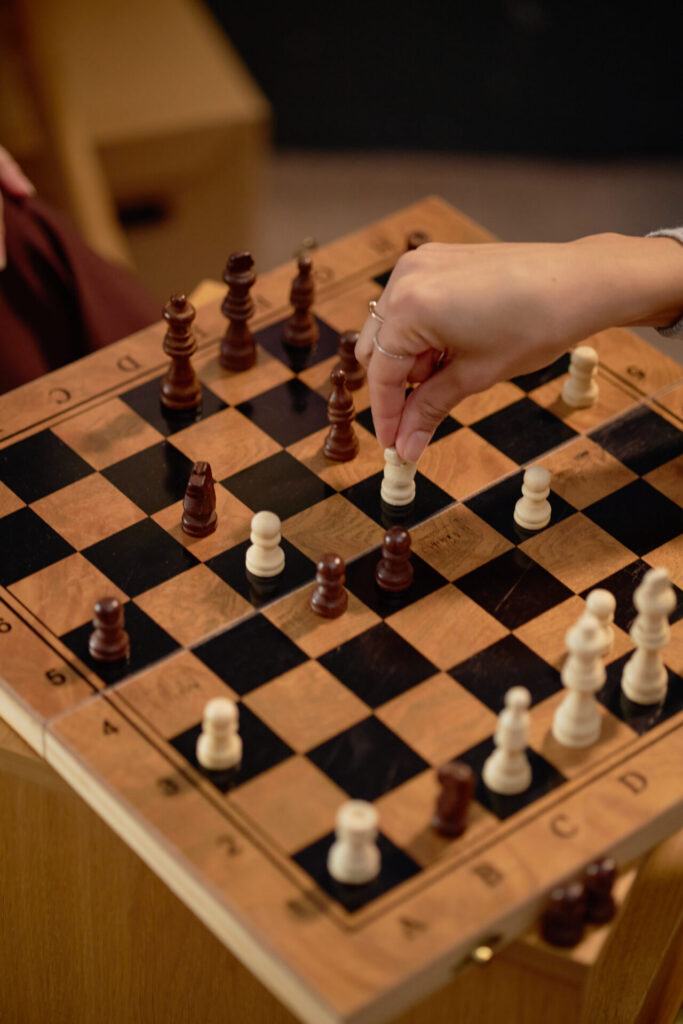
Board games work the same way. Classics like checkers, chess, or dominoes cost $10-20 new or just a couple bucks at yard sales. Most people already know how to play, so you jump right in.
Game nights turn these cheap games into social events. Invite neighbors or family once a week and take turns hosting.
Each person brings a snack or drink, keeping costs under $3 per gathering. You get the mental boost of gameplay and the health benefits of regular social time.
If vision is an issue, look for large-print versions of cards and board games. Dollar stores often have oversized playing cards for $1, and online shops sell large-print Scrabble or Uno for $15-25.
Game Nights and Low Cost Card Games

A standard deck of playing cards costs just $1-3 and opens up hundreds of games. Gin rummy, bridge, solitaire, and crazy eights only need the deck—no extras.
If arthritis makes handling cards tough, card holders can really help. They cost $3-8 and let you rest your cards on the table, keeping them out of sight from others. For shuffling, automatic card shufflers—usually $8-15—take the strain off your hands.
Dice games are even cheaper. Six dice cost less than $5 and let you play classics like Yahtzee, Farkle, or Bunco. You can print out score sheets for free or just jot down scores on scrap paper.
Free printable games are a fun way to try something new without spending a dime. Just search for “free printable bingo cards” or “free word search puzzles” and print as many as you want. If you don’t have a printer, your local library probably offers free printing.
Digital Brain Teasers and Trivia

AARP has free online games you can play right on their site—no downloads or sign-ups needed. There are card games, crosswords, word searches, and some arcade games—all in your browser.
Apps like Words With Friends or match-three puzzle games offer daily challenges for free. Just a heads up, brain-training apps often claim to prevent dementia or boost memory, but studies show you mostly just get better at that specific game. Play for fun, not as a cure.
Check your phone or tablet for pre-installed puzzle games before downloading more. Lots of people miss solitaire, chess, or sudoku apps that are already there.
Public libraries often offer free access to digital brain game platforms like Brainfuse or LearningExpress. Ask your librarian for the login info. These sites have trivia, word games, and logic puzzles made for adults.
Try setting a daily reminder to play a puzzle or game for 15-20 minutes. The habit itself matters more than which game you pick.
Nature and Science Hobbies From Your Living Room

You can explore nature and dive into science right from your living room, usually for under $20. These hobbies connect you to the world, keep your mind sharp, and add a bit of discovery to your day.
Stargazing and Astronomy

You don’t need a telescope for stargazing. Your eyes and a free app like Stellarium or SkySafari are enough to spot constellations, planets, and moon phases from your window or balcony. NASA’s website has free star charts you can print if you like paper guides.
If you get hooked, basic binoculars (7×50 or 10×50) cost $30-60 and show you craters on the moon or Jupiter’s moons. A folding chair by the window makes long sessions much more comfortable.
Meteor showers like the Perseids in August or Geminids in December happen on set dates and don’t require any gear. Keep a notebook to jot down what you see. Over time, you’ll start noticing patterns—Venus as the “evening star” or Mars getting brighter when it’s close.
Bird Watching and Bird Calls

Put a simple bird feeder 3-10 feet from your window with a suction-cup mount ($8-15) or hang it from a tree. Black oil sunflower seeds attract the most birds and cost about $15 for a 10-pound bag, which lasts a while.
The Merlin Bird ID app (free) can ID birds by sight or sound and works offline after you download your region. Play bird calls from your phone and see who shows up—chickadees and cardinals often come to check things out.
Keep binoculars handy near your favorite chair for quick birdwatching. Jot down which birds visit and when in a notebook. Mornings between 6-9 AM usually bring the most action.
If you can’t set up an outdoor feeder, just put a shallow dish of water on your windowsill. Birds always need water and will stop by for a drink or bath.
Genealogy and Family History Research

Start by writing down what you know—names, birth dates, and places for your parents and grandparents. Use a free Google Sheet or just a notebook. FamilySearch.org gives you access to billions of records like census data and birth certificates for free.
Library cards often unlock Ancestry.com or newspapers.com from home—just call your library and ask. Many people find surprising family connections by searching ship manifests, city directories, or military records.
Upload old family photos to Google Photos for free and add names and dates in the captions. Free scanning apps like Microsoft Lens turn your phone into a decent scanner.
Reach out to cousins on Facebook or by email to fill in missing details—someone usually knows that forgotten marriage date or maiden name. Limit yourself to two 30-minute sessions a week so you don’t get overwhelmed.
See Related: How to Manage Your Money with Personal Finance Software
Affordable Indoor Gardening and Flower Arranging

You can grow fresh herbs for pennies per meal and make lovely bouquets with clearance flowers or yard clippings. Both hobbies cost under $20 to start and offer relaxing, creative work you can do sitting down.
Starting a Windowsill Herb Garden

You can set up a basic herb garden for $12 to $18 if you shop smart. Grab three 4-inch plastic pots for $1 each, a small bag of potting soil for $3 to $5, and seed packets for $1 to $2 each—basil, mint, and parsley are the easiest.
If you have a south-facing window, skip the fancy grow lights. Herbs need six hours of bright light. For north or east-facing windows, a clip-on LED grow bulb costs $8 to $12 and fits any desk lamp.
You’ll start harvesting basil leaves in about three to four weeks. One basil plant can give you enough for two or three meals a week, saving $4 to $6 a month over buying herbs at the store.
Water when the top inch of soil feels dry—usually every two or three days. Overwatering is the fastest way to kill indoor herbs, so poke your finger in the dirt before grabbing the watering can.
Reuse yogurt containers or tin cans as free pots. Just poke three holes in the bottom for drainage, toss in a handful of pebbles, and fill with soil.
Easy Flower Arranging Projects

You don’t need a florist’s budget to try flower arranging at home. Check grocery store markdown racks after 6 PM for bouquets marked down to $3 to $5, or ask garden centers for stems they’d otherwise toss.
Start with a mason jar or a clean pasta sauce jar as your vase. Cut stems at a 45-degree angle under running water for better absorption. Remove any leaves that would sit in the water to prevent rot.
A simple arrangement uses three to five stems in odd numbers—roses, carnations, and mums last longest. For free greenery, snip sprigs from outdoor shrubs like boxwood or ivy.
Make a grid on your jar’s opening with clear tape to hold stems in place. It’s free and actually works better than pricey foam blocks for beginners.
Change the water every two days and trim stems by half an inch each time. Your flowers should last seven to ten days if you keep up with this. Press leftover petals in heavy books for two weeks to make bookmarks or cards—a little craft that stretches your flowers even further.
Exploring Digital and Visual Arts on a Budget

Digital art costs nothing if you already have a computer, tablet, or smartphone, and watercolor painting only needs $10-15 in supplies to get started at your kitchen table.
Getting Started with Digital Art

You can dive into digital art today using free programs like Krita or MediBang Paint on your computer, tablet, or smartphone. These apps offer the basics without the $50-100 subscription fees of the big-name software.
Try simple exercises first. Draw circles and squares to get used to the tools. A mouse works fine, but if you want more control, a basic stylus costs $15-25.
YouTube has loads of free tutorials for beginners. Just search “beginner digital art tutorial” and follow along. There’s step-by-step help on everything from color mixing to shading.
Here’s what you actually need:
- A computer, tablet, or smartphone you already own
- Free software (Krita for computers, MediBang for tablets)
- Your mouse or a budget stylus
- 15-20 minutes a day to practice
The learning curve feels steep at first. But digital art lets you undo mistakes instantly—no wasted paper or paint. Save your work in folders by date so you can see your progress.
Watercolor and Budget-Friendly Painting Options

A basic watercolor set costs $8-12 and lasts for months. Add a $3 pad of watercolor paper and a $4 brush set, and you’re painting for under $20.
Watercolor painting is great for seniors because it takes little effort and doesn’t make a mess. Clean-up just means rinsing your brush, and you can work at any table. Set up takes two minutes, tops.
Want to cut costs even more?
- Paint on old greeting cards or cardboard instead of pricey paper
- Buy student-grade paints—they’re fine for beginners
- A single round brush in size 6 or 8 handles almost everything
Brown paper grocery bags work as free painting surfaces and add a cool texture. Manila folders are another cheap option—about $0.10 each if you buy a big pack.
Start with simple subjects—fruits, flowers, or just blending colors. Watercolor rewards patience, not perfection. The paint flows and blends on its own, so even your first pieces can look surprisingly good.
See Related: Easy Frugal Habits for Beginners That Transform Your Finances
Frequently Asked Questions

Seniors often ask about affordable hobbies they can do at home—especially ones that work with physical limitations or don’t need fancy gear.
What are some accessible and affordable creative activities for seniors to engage in at home?
Drawing and sketching just need a pencil and any paper you’ve got. A sketchbook at the dollar store costs $3-5, but regular printer paper works fine when you’re starting out.
Watercolor painting gives you great results for very little money. A beginner set is $8-12 and lasts for months. You can paint on cardboard, brown paper bags, or even index cards if you want to skip expensive paper.
Writing poetry or short stories costs nothing if you use pen and paper you already have. Free writing prompts online can help you get started. Many libraries host writing groups where you can share your work for free.
Coloring isn’t just for kids anymore. Adult coloring books cost $5-10 and provide hours of relaxing creative time. Crayons or colored pencils start around $3 at discount stores.
Hand lettering turns everyday notes into little works of art with markers or pens you already own. Practice on scrap paper or old envelopes before moving up to nicer paper.
Can you suggest leisurely pursuits that are suitable for elderly individuals over 70 without putting a strain on their finances?
Birdwatching from your window doesn’t cost a thing. Just grab a notebook and jot down which birds show up in your yard.
You’ll start to notice the patterns in nature when you pay attention. If you’re curious about which birds you’re seeing, pick up a field guide from your library.
Audiobooks keep your mind busy without tiring out your eyes. Most libraries have apps like Libby or Hoopla, so you can listen for free if you have a library card.
You can start learning a new language with free apps like Duolingo. Just ten minutes a day is enough, and you won’t feel overwhelmed.
Chair yoga mixes gentle movement with some relaxation. Thousands of free chair yoga videos are on YouTube, many made just for seniors who want to stay comfortable.
All you need is a sturdy chair and comfy clothes. That’s it—no fancy equipment.
Puzzles like jigsaws or crosswords keep your brain active. Thrift stores usually have used puzzles for just a couple of bucks.
Swap puzzles with friends when you finish one. That way, you always have something new without spending extra.
How can seniors over 80 find joy in cost-effective hobbies from the comfort of their own home?
Creating a memory book lets you share your stories with family. Grab a cheap notebook and write about your favorite memories, maybe add a few photos you already have.
Grandkids love these keepsakes more than anything you could buy.
Phone calls with old friends can lift your spirits, and most phone plans offer unlimited calls these days. Try putting regular calls on your calendar so you keep in touch.
Collecting and organizing recipes gives you something to look forward to. Write down family recipes and the memories attached to them.
A basic binder and some paper cost just a few dollars. It’s a simple way to preserve your cooking legacy.
Watching birds or other wildlife from your favorite chair brings a bit of nature inside. Binoculars are nice if you have them, but honestly, you don’t need them to enjoy the show.
Listening to old radio shows on archive.org can take you back in time. Tons of classic programs from decades ago stream for free.
What low-cost hobbies can enhance the daily life of the elderly with limited mobility?
Hand sewing lets you fix up clothes and keeps your hands moving. You can grab a basic sewing kit for just a few bucks, and it’ll last a long time.
Sewing on buttons or hemming pants brings a nice sense of accomplishment.
Playing solitaire only requires a deck of cards, which most people already own. Learning a new version of solitaire keeps things interesting.
Music always helps lift the mood. Free streaming services let you make playlists from different times in your life.
YouTube is full of educational videos on just about any topic. Whether you like history, cooking, or something else, there’s always something new to watch.
Sorting through photos, whether they’re printed or digital, can be rewarding. Organize them by year or event, and jot down names and dates on the back so your family knows who’s who.
Could you recommend budget-friendly hobbies that cater to the interests of elderly women?
Crocheting is a cozy way to make things like dishcloths or scarves. A crochet hook is only a few dollars, and a skein of yarn doesn’t cost much either.
Thrift stores sometimes have bags of yarn for under $5. You can make several small projects with just a bit of yarn.
Pressed flower art gives you a creative use for flowers from your yard. Stick them between book pages for a couple of weeks, then glue them onto cards or bookmarks.
You probably have the white glue and cardstock already. It’s a simple craft that looks lovely.
Recipe swapping with friends or online groups brings new flavors into your kitchen. Facebook has plenty of budget cooking groups where people love to share and trade recipes.
Embroidery can turn plain things into special gifts. Beginner kits with hoops, needles, and thread usually cost $10-15 and last for several projects.
Making greeting cards by hand saves money and feels more personal. Use whatever you have—old magazines, leftover wrapping paper, or paper scraps.
If you buy cardstock in bulk, each card costs just a few cents.
What are the most popular low-cost pastimes that retirees can start today without financial worry?
Take a walk around your neighborhood or head to a nearby park—it won’t cost you a thing, and you’ll get some fresh air and maybe even bump into a neighbor or two. If you’re just starting out, keep it short, maybe 10 minutes, and see how you feel.
Try gardening, even if you only have a little space or can’t move around much. Grab a packet of seeds for a buck or two, and you’ll end up with veggies that would cost twenty bucks at the store. You don’t need fancy planters—just poke some holes in old buckets or plastic containers.
Check out books from the library instead of buying them for $15 or more. Most libraries let you reserve books online, so you can just swing by and pick up what you want when it’s ready.
Knitting is a cozy hobby that keeps your hands busy and actually gives you something useful. You can get basic needles for about $5 and yarn for a few dollars. With just one skein, you can whip up a scarf or a dishcloth.
Free online games can keep your brain sharp and help pass the time. Just make sure you stick to well-known sites, and don’t ever give out your payment info—some “free” games aren’t really free.
If you want to help others without leaving home, try volunteering by phone or writing letters. Groups like Letters Against Isolation will connect you with people who’d love to hear from you.
Leave a Reply