
Growing your food has been a game-changer for my family’s budget. When grocery prices started climbing last year, I turned a small patch of yard into a vegetable garden.
Within months, we were saving $30-40 weekly on produce. The satisfaction of harvesting dinner from my backyard feels fantastic, and my kids eat vegetables they’ve helped grow!

You can save significant money by growing select vegetables and fruits, especially those expensive to buy or yield continuous harvests. Tomatoes, lettuce, zucchini, and herbs give incredible returns on investment.
A single $3 tomato plant can produce 10-15 pounds of fruit, while store-bought tomatoes might cost $3-4 per pound. With just one planting, leafy greens like kale and chard produce for months.
Starting a garden doesn’t require much space or experience. Even apartment dwellers can grow herbs on windowsills or lettuce in containers.
The initial investment in seeds, soil, and basic tools pays for itself quickly. Beyond the financial benefits, garden-fresh food tastes better and contains more nutrients than store-bought alternatives that may have traveled thousands of miles to reach you.
Benefits of Growing Your Food

Growing food brings multiple rewards beyond the joy of gardening—from saving money on grocery bills to enjoying fresher, more nutritious produce from your backyard.
Economic Advantages

Starting a home garden can significantly reduce your grocery expenses. Growing just a few key vegetables like tomatoes, lettuce, and peppers can save you $20-50 per month during the growing season. The most cost-effective crops are those with high yields and repeated harvests.
Best Money-Saving Crops:
- Herbs (one basil plant can save you $20+ over a season)
- Leafy greens (grow quickly and cost $3-5 per bundle in stores)
- Berries (expensive to buy but easy to grow)
- Cherry tomatoes (productive for months)
While there are startup costs for soil, seeds, and basic tools ($50-100), these are one-time investments that pay off quickly. A small 4×8 garden bed can produce $300-600 annually with proper care.
Water costs stay minimal if you collect rainwater or use efficient watering methods. Using kitchen scraps for compost eliminates the need to buy fertilizer, saving an additional $20-30 per season.
Health and Nutritional Value

Home-grown vegetables contain more nutrients than store-bought options. Studies show that freshly picked produce has up to 40% higher vitamin content than items that traveled long distances to reach supermarkets.
You control what goes into your garden soil and onto your plants. This means no unwanted chemicals or pesticides on your dinner plate. Many gardeners report that this peace of mind is priceless.
The freshness factor is unmistakable. Vegetables harvested minutes before eating taste noticeably better. This improved flavor often encourages family members to eat more vegetables, improving overall nutrition.
Gardening itself provides moderate exercise. Digging, planting, and weeding can burn 200-400 calories per hour while strengthening your body. This physical activity and better nutrition create a powerful health benefit.
Environmental Impact
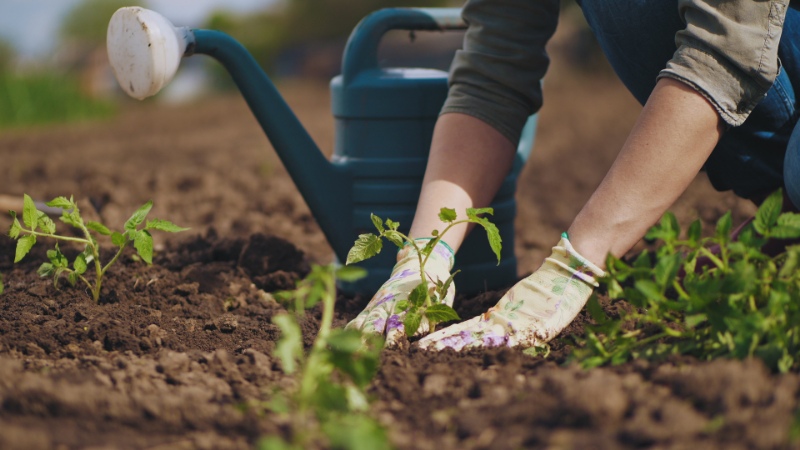
Your home garden reduces carbon emissions by eliminating the transportation costs of produce. The average store-bought fruit travels over 1,500 miles before reaching your plate, consuming fossil fuels.
Growing food organically improves soil health in your yard. Good soil acts as a carbon sink, capturing atmospheric carbon dioxide. Over time, your garden plot becomes more fertile and productive.
Growing your produce decreases food waste. You harvest only what you need, when you need it. Any plant material not eaten can be composted, creating a closed-loop system that benefits your garden next season.
Local pollinators like bees and butterflies benefit from your garden plants. Even a small plot can become a mini wildlife habitat, supporting biodiversity in your neighborhood while producing food for your table.
Planning Your Garden

A well-planned garden saves you both time and money. Taking the proper steps before planting ensures you’ll grow food that thrives in your specific conditions and meets your family’s needs.
Assessing Space and Sunlight

Start by looking at your available space. Even small areas can produce food! A sunny balcony works for container gardening, while a yard offers more planting options. Most vegetables need 6-8 hours of direct sunlight daily to thrive.
Don’t have much ground space? Look up! Vertical gardening using trellises or wall-mounted planters makes use of unused space. Even a windowsill can grow herbs or microgreens.
Map your garden area on paper, noting where the sun hits throughout the day. Morning sun is gentler than afternoon sun, so place more delicate plants accordingly. Consider nearby trees or buildings that might block light as seasons change.
Water access is also essential. Position your garden near a water source to save time and effort during dry spells.
Choosing the Right Crops

Select vegetables that your family enjoys eating. There’s no savings in growing food nobody wants! Start with easy-to-grow options like lettuce, beans, and herbs if you’re a beginner.
High-Value Crops for Saving Money:
- Herbs (basil, cilantro, mint)
- Lettuce and leafy greens
- Cherry tomatoes
- Zucchini
- Bell peppers
- Green beans
Look for “cut and come again” varieties that produce over a long period. Lettuce, kale, and chard can be harvested leaf by leaf while the plant grows.
Consider how much space each plant needs. Zucchini spreads widely, while carrots grow vertically in a small footprint. Interplanting compatible crops maximizes your space – try growing carrots alongside tomatoes.
Seeds cost much less than seedlings and offer more variety. One $3 packet might grow dozens of plants!
Understanding Your Growing Season

Your local climate determines what and when to plant. Find your USDA hardiness zone online to understand your growing season length and temperature range.
Create a planting calendar based on your area’s first and last frost dates. Cool-season crops like lettuce, peas, and carrots can be planted in early spring and fall. Warm-season vegetables like tomatoes and peppers must wait until all danger of frost has passed.
Many areas can support succession planting – replacing finished crops with new ones. This strategy keeps your garden productive for months. For example, follow spring lettuce with summer beans, then fall carrots.
Watch local gardeners and garden centers for timing cues. When they start putting out specific plants, it’s usually safe for you to plant them too.
Consider extending your growing season with simple protection like row covers or cold frames. These affordable options can add weeks to both ends of your calendar.
See Related: Is It Smart to Be Frugal? Money-Saving Habits That Transformed My Finances
Soil Preparation and Maintenance

Good soil is the foundation of a successful, money-saving garden. Proper soil preparation and maintenance will lead to healthier plants and bigger harvests without expensive fertilizers or pest controls.
Creating Nutrient-Rich Soil

Start with a simple soil test to determine your soil’s needs. Test kits are available for under $10 at garden centers, and local extension offices sometimes offer free testing. This small investment can save you money later by revealing exactly what your soil needs.
Mix in organic matter to improve any soil type. Fallen leaves, grass clippings, and kitchen scraps can transform poor soil into gardening gold for free. For clay soil, add compost to improve drainage. For sandy soil, compost helps retain moisture.
Budget-friendly soil amendments:
- Coffee grounds (free from local coffee shops)
- Crushed eggshells (calcium source)
- Banana peels (potassium boost)
- Shredded newspaper (improves structure)
When possible, avoid buying commercial garden soil. Instead, mix with equal parts topsoil, compost, and perlite or vermiculite. This DIY approach costs about 50% less than pre-mixed bags.
The Role of Composting

Composting turns kitchen waste into garden treasure—the ultimate money-saver for gardeners! A simple compost bin can be made from wooden pallets, wire fencing, or even a plastic storage bin with holes drilled for airflow.
Layer “browns” (dried leaves, cardboard, paper) with “greens” (food scraps, coffee grounds, grass clippings) in your compost pile. A 3:1 ratio of browns to greens works best. Turn your pile every few weeks with a garden fork to speed up decomposition.
The average family can create 100+ pounds of compost yearly, saving $30-50 on commercial fertilizers. Your compost adds nutrients, improves soil structure, and helps retain moisture, reducing water bills too.
For quick results, try worm composting. Red wigglers transform scraps into rich worm castings in weeks rather than months. A starter worm population costs about $20-30 but quickly multiplies, creating an ongoing supply of premium fertilizer.
Planting and Managing Your Garden

Starting and thriving your garden requires knowledge of bare planting, watering, and pest control. These skills will help you maximize your harvest while minimizing costs.
Sowing Seeds Effectively

Starting from seeds is much cheaper than buying starter plants. A $2-3 seed packet can grow dozens of plants, while that amount might buy you just one transplant.
For best results, start seeds indoors using a good-quality potting mix. You don’t need expensive brands—many gardeners mix their own using equal parts compost, vermiculite, and peat moss at a fraction of the cost.
When sowing, follow the depth guidelines on the seed packet. A common mistake is planting seeds too deep. Most seeds need just a light covering of soil.
Create a simple seed-starting calendar based on your last frost date. Some plants, like tomatoes, need to be started indoors 6-8 weeks before transplanting, while others, like carrots, should be sown directly in the garden.
Save money by swapping seeds with neighbors or joining a local seed library. Many gardeners have more seeds than they can use!
Watering and Feeding

Water deeply but infrequently to encourage strong root growth. Most garden plants, including rainfall, need about 1-1.5 inches of water per week.
Set up a basic watering schedule, but adjust it based on weather conditions. Stick your finger an inch into the soil—if it’s dry, it’s time to water.
Collect rainwater in barrels or buckets to reduce water bills. Even a simple setup can capture gallons of free water during a good rain.
Make your plant food by composting kitchen scraps and yard waste. When properly composted, coffee grounds, eggshells, and vegetable peels make excellent, free fertilizers.
Self-watering planters can be made from two buckets or plastic bottles cut in half for container gardens. These reduce water usage by up to 50% and prevent overwatering.
Dealing with Pests and Diseases

Prevention is cheaper than treatment. Plant disease-resistant varieties and keep plants spaced adequately for good air circulation.
Make a simple pest spray using one tablespoon of mild dish soap in a gallon of water. This works without expensive chemicals for aphids, mites, and other soft-bodied insects.
Introduce beneficial insects like ladybugs and praying mantises to your garden. They eat harmful pests and cost much less than chemical treatments.
Use physical barriers like row covers or homemade cloches (cut plastic bottles) to protect young plants from pests. These can be reused for years.
Rotate your crops each season to prevent disease buildup in the soil. Keep notes on what grew where to plan next year’s garden layout.
Plant companion species like marigolds near tomatoes or basil near peppers. These natural partnerships help repel specific pests without any additional cost.
See Related: Can You Be Frugal and Rich: Wealth-Building Habits That Save Thousands
Harvesting and Preserving Your Bounty

Getting the most value from your garden means knowing when to pick your crops and how to make them last beyond the growing season. The proper harvesting and storage techniques can dramatically extend your food supply and maximize your garden’s money-saving potential.
Knowing When to Harvest

Timing is everything when it comes to harvesting your garden vegetables. Most crops taste best and provide maximum nutrition when picked at their peak ripeness. For leafy greens like lettuce and spinach, harvest in the morning when they’re crisp and full of moisture.
Tomatoes should be firm but slightly soft when gently squeezed. They should also have a deep, even color. For the best flavor, wait until they’re fully ripe on the vine.
Root vegetables like carrots and beets can be tested by gently digging around the top to check their size. Most are ready when the tops of the roots are 1-2 inches in diameter.
Signs of ripeness for common vegetables:
- Zucchini: Harvest when 6-8 inches long
- Cucumbers: Pick when firm and green before they turn yellow
- Peas: Pods should be plump but not bulging
Listen to your plants—they often tell you when they’re ready! Corn silks that turn brown and dry indicate that the ears are ready for picking.
Storing and Preserving Techniques

Fresh produce begins losing nutrients after harvest, so a preservation plan is essential. Freezing vegetables is one of the easiest methods for beginners. Blanch your veggies in boiling water for 1-3 minutes, cool them quickly in ice water, then dry and freeze them in airtight containers.
Canning preserves garden bounty for months and requires minimal equipment to start. A water bath canner can be used for high-acid foods like tomatoes and pickles, while a pressure canner is needed to protect low-acid vegetables like green beans.
Drying herbs is space-efficient and straightforward. Hang small bundles upside down in a warm, dry place with good air circulation. They’re ready when they crumble easily.
Root vegetables like potatoes, onions, and garlic can be cured and stored in cool, dark places for months. An ideal environment is a basement or garage that stays around 50-60°F.
Storage duration for preserved foods:
- Frozen vegetables: 8-12 months
- Home-canned goods: 1-2 years
- Dried herbs: 1-3 years
Proper labeling with dates helps you rotate your preserved foods and avoid waste.
Expanding Your Garden

Expanding your garden can dramatically increase your savings once you’ve mastered the basics of growing food. The right expansion focuses on plants that provide ongoing harvests and require minimal yearly reinvestment.
Growing Perennial Foods

Perennial plants are money-saving powerhouses since they return year after year without replanting. Once established, fruit trees like apples, peaches, and plums can produce for decades. A mature apple tree might yield 150-300 pounds of fruit annually, worth hundreds of dollars at store prices!
Nut trees such as walnut or hazelnut take longer to mature but offer tremendous value over their lifetime. In small spaces, focus on berry bushes like blueberries, raspberries, and blackberries that produce abundantly in limited areas.
Don’t overlook asparagus. While it takes 2-3 years to reach full production, a well-maintained bed can produce for 15+ years. A 4×8 footbed can yield 10-12 pounds annually.
An expanded herb garden with perennials like rosemary, thyme, sage, and mint provides fresh flavors year-round while saving $3-5 per store-bought package.
Saving and Propagating Seeds

Seed saving transforms one-time purchases into lifetime supplies. Focus first on easy seeds like tomatoes, beans, peas, and lettuce. A single tomato can contain 50+ seeds – enough for next year’s garden.
Store dried seeds in paper envelopes in a cool, dry place. Label clearly with a variety of names and dates collected.
Try these simple propagation methods to multiply your plants:
- Cuttings: Snip 4 to 6-inch stems from herbs like rosemary or sage
- Division: Split perennials like chives or rhubarb every few years
- Layering: Bend raspberry canes to touch the soil and root new plants
Many vegetables can be regrown from scraps. Plant the base of celery or green onions in soil after using the tops – they’ll regrow multiple times! Plant propagation can turn one purchased plant into dozens, reducing your garden costs to nearly zero.
Continuing Your Gardening Journey

Growing your food becomes more rewarding and cost-effective as you gain experience and connect with other gardeners. The learning never stops, and building relationships with fellow garden enthusiasts can open doors to new knowledge, resources, and money-saving opportunities.
Learning and Experimenting

Start a garden journal to track what works and what doesn’t. Note planting dates, yields, and problems you encounter. This simple habit will save you money over time by preventing repeated mistakes.
Try new varieties each season. Experiment with one or two unfamiliar vegetables or herbs your family enjoys eating. This keeps gardening exciting while expanding your food self-sufficiency.
Invest in a few quality gardening books focusing on your growing region. The initial cost pays off through years of reliable advice. My favorite beginners’ book is “The Vegetable Gardener’s Bible” – it’s packed with practical tips that have saved me from costly errors.
YouTube channels and gardening podcasts offer free education that can improve your skills. I’ve learned incredible money-saving techniques from online experts about seed saving and natural pest control.
Engaging with Other Gardeners

Join local gardening groups to swap seeds, cuttings, and equipment. Facebook and Nextdoor often have active community garden groups where members share surplus plants and tools. Last year, I received tomato seedlings, mint cuttings, and even a spare shovel!
Participate in seed swaps to diversify your garden without buying new seed packets. When you connect with other gardeners, one $3 seed packet can be traded for 5-10 varieties.
If space is limited at home, consider joining a community garden. These shared spaces typically cost $20-50 annually but provide access to water, tools, and experienced neighbors who can help troubleshoot problems.
Online forums like Reddit’s r/gardening offer quick answers to urgent questions about plant diseases or pest issues. Getting timely advice can save entire crops from being lost.
See Related: Is Frugal Positive or Negative: Life-Changing Benefits of Smart Spending
Frequently Asked Questions

Growing your food can lead to real savings on grocery bills, but there are essential factors to consider. Many gardeners find that focusing on high-yield plants and understanding seasonal growing patterns helps maximize their return on investment.
How can I estimate the savings from starting my vegetable garden?
Start by tracking what you currently spend on vegetables at the store. Please list what you buy most often and check their prices.
Compare these costs with the investment needed for seeds, soil, and basic tools. For example, a $2 packet of tomato seeds might yield 20+ plants, while store tomatoes could cost $3-4 per pound.
Consider the yield potential of different vegetables in your space. Leafy greens, herbs, and tomatoes are valuable because they produce multiple harvests from one planting.
What are the most cost-effective vegetables to plant for maximum savings?
Herbs offer an excellent return on investment. A small basil plant costs about $3 but would yield $15-20 worth of store-bought herbs.
Leafy greens like lettuce, spinach, and kale grow quickly and can be harvested multiple times. They’re also expensive at grocery stores, making them great money-savers.
Tomatoes, peppers, and zucchini produce abundantly throughout the season. One zucchini plant can easily yield 10-15 pounds of vegetables worth $30-45 at store prices.
Root vegetables like carrots and potatoes store well and provide substantial nutrition for their growing space. A single potato can multiply into several pounds of harvest.
Are there any hidden costs I should consider when growing food at home?
Water bills might increase, especially in dry regions. Consider collecting rainwater to offset this expense.
Tools and equipment costs add up quickly. Start with the basics: good pruners, trowels, and gloves. Borrow or buy secondhand when possible.
Time is a real investment. Gardening requires regular attention for watering, weeding, and harvesting. Make sure you can commit before starting.
Pest control and fertilizers can be expensive if you buy commercial products. To save money, consider making your own compost and natural pest deterrents.
Could you share tips on how to grow food efficiently on a budget?
Start with high-quality seeds from reputable sources. Better germination rates mean less waste and more plants for your money.
Use recycled containers as starter pots. Yogurt cups, egg cartons, and milk jugs work great and cost nothing.
Make your compost from kitchen scraps and yard waste. This provides free, nutrient-rich soil amendment that improves garden productivity.
Practice succession planting by sowing new seeds once one crop is harvested. This maximizes your growing space and extends the harvest season.
Save seeds from your best-producing plants for next year’s garden. This traditional practice eliminates the need to buy new seeds annually.
What should I know about the long-term financial benefits of home gardening?
Skills development has lasting value. As you become more experienced, your garden’s productivity will increase, improving your return on investment.
Soil improvements compound over time. Each year of adding compost and organic matter makes your garden more productive with less input.
Seed saving creates a free, renewable resource. After a few seasons, you might not need to purchase seeds for certain vegetables.
Home food preservation extends your savings. Learning to can, freeze, or dehydrate excess produce prevents waste and provides food during off-seasons.
What are the common challenges to growing your food, and how can I overcome them economically?
Container gardening or vertical growing systems can address limited space concerns. Even apartment dwellers can grow herbs and small vegetables on windowsills.
Poor soil quality improves with homemade compost and cover crops, which are more affordable than buying soil amendments.
Pest problems don’t always require expensive chemicals. Companion planting, row covers made from old sheets, and DIY soap sprays work effectively for most common pests.
Simple protection methods can manage weather challenges like drought or early frost. Reused plastic containers can serve as mini greenhouses to extend the season.
Do you have limited time constraints? Focus on low-maintenance crops that don’t need daily attention, such as root vegetables, winter squash, and perennial herbs.