
Eating healthy doesn’t have to break the bank. I transformed my finances by cutting my food budget in half without sacrificing nutrition. I used to spend over $600 monthly on groceries, but now I feed my family well-balanced meals for under $300.

Focusing on versatile, affordable ingredients like beans, cabbage, and budget-friendly proteins can help you create delicious, healthy meals for less than $3 per serving—the secret lies in smart shopping and simple recipes that maximize nutrition while minimizing cost. Meals like chana masala, parmesan cabbage soup, and modern tuna casserole offer excellent nutrition without emptying your wallet.
Budget-friendly cooking isn’t about deprivation but creativity. When money gets tight, I turn to recipes like spicy tuna with crispy rice or healthy turkey chili that satisfy cravings while keeping my nutrition goals on track. These meals prove you don’t need expensive ingredients to eat well – just a bit of kitchen know-how and planning.
Understanding Nutrition on a Budget

Eating nutritiously while watching your wallet doesn’t have to be a contradiction. Thoughtful planning and knowledge about nutrient-dense foods can help you maintain good health without breaking the bank.
The Basics of Budget Nutrition

Nutrition on a budget starts with understanding which foods give you the most nutritional bang for your buck. Beans, lentils, and other legumes are incredibly affordable sources of protein and fiber. A pound of dried beans costs about $1-2 and makes several meals!
Whole grains like brown rice, oats, and barley provide lasting energy and essential nutrients at a fraction of the cost of processed alternatives. A 42-ounce container of oats might cost $3-4 but delivers about 30 servings.
Frozen fruits and vegetables are often cheaper than fresh and retain most nutrients. They also reduce waste since you can use only what you need. Many grocery stores offer store-brand frozen produce at significant discounts.
Remember that eating healthy isn’t all-or-nothing. Even small changes can make a big difference in your nutrition and budget.
Balancing Cost and Dietary Needs

Planning meals around sales and seasonal items helps maximize nutrition while minimizing costs. In-season produce is usually cheaper and more nutritious since it’s harvested at peak ripeness.
Protein doesn’t have to come from expensive meat. Eggs cost around 20¢ each and provide high-quality protein. Canned tuna, sardines, and chicken can be affordable animal protein options when on sale.
For those following plant-based diets, tofu and tempeh are economical protein sources that cost less than most meats. A block of tofu for $2-3 can serve four people as a primary protein.
Don’t overlook food assistance programs if you qualify. SNAP benefits, food banks, and community gardens can help supplement your food budget.
Mix expensive and inexpensive items strategically. Instead of main ingredients, use smaller amounts of costlier foods (like cheese or meat) as flavor enhancers.
Avoiding Hidden Costs of Cheap Eats

Not all budget-friendly foods are created equal. Highly processed foods might seem cheap initially, but often lack nutrition, leading to health problems and higher medical costs later.
Junk food might temporarily satisfy hunger, but it typically lacks fiber and protein, leaving you hungry again soon. This leads to eating more and spending more in the long run.
Watch out for “value-sized” packaged foods. They only save money if you use the product before it spoils. Otherwise, you’re paying for food you’ll throw away.
Prepared convenience foods carry a premium price. Making similar items from scratch costs significantly less. For example, homemade oatmeal costs about 15¢ per serving compared to $1+ for instant packets.
Cooking at home lets you control ingredients, avoiding unhealthy additives like excess sodium and preservatives common in cheap processed foods. Your body will thank you!
Smart Shopping Strategies

Shopping smarter is the foundation of eating well on a budget. Simple techniques can dramatically cut your grocery costs while you enjoy nutritious meals.
Buying in Bulk

Bulk buying can save you serious money on pantry staples. Items like rice, beans, and pasta cost significantly less per serving when purchased in larger quantities. For example, a 5-pound bag of rice might cost just $5-7 and provide up to 50 servings.
Look for bulk bins at grocery stores to get exactly what you need. This works exceptionally well for spices, which can be expensive in bottles but cost cents when bought in bulk.
Store your bulk items properly in airtight containers to maintain freshness. Dry beans can last for years when stored correctly, making them an excellent investment. Try cooking a big batch of beans on the weekend and freezing portions for quick weeknight meals.
Seasonal Produce Selection

Fruits and vegetables are cheapest and most nutritious when they’re in season. During summer, stock up on berries, peaches, and tomatoes. In the fall, apples and oranges become more affordable and delicious.
Frozen produce is a budget-friendly alternative that’s just as nutritious as fresh. Keep bags of frozen vegetables on hand for quick stir-fries and soups when your fresh produce runs low.
Farmers’ markets often reduce prices in the last hour of operation. You can score great deals on seasonal items like apples that might have minor blemishes but taste perfect in applesauce or baked dishes.
Local produce doesn’t have to travel far, saving on transportation costs that get passed to you. Plus, it’s typically fresher and lasts longer in your fridge.
Understanding Sales and Coupons

Store flyers are gold mines for weekly deals. Plan your meals around what’s on sale rather than deciding on recipes first. When pasta is 50% off, stock up!
Many grocery stores offer digital coupons through their apps. Spend 10 minutes before shopping to load offers onto your loyalty card for automatic savings at checkout.
Learn the sales cycles for your favorite items. Most products are sold every 6-8 weeks, so tracking prices helps you know when to stock up.
Try the “loss leader” strategy. Stores often heavily discount certain items to get you in the door. Build your meal plan around these special offers, focusing on versatile ingredients like beans and rice that can be used in multiple dishes.
Meal Planning and Prep

Planning meals ahead of time saves money and helps you eat healthier. With simple strategies, you can create delicious, budget-friendly meals that keep your wallet and body happy.
Creating a Budget Meal Plan

Start by taking inventory of what you already have in your pantry, fridge, and freezer. This prevents buying duplicates and helps you use items before they expire.
Next, check grocery store flyers for sales and plan meals around discounted items. Seasonal produce is typically cheaper and fresher. For example, buying apples in the fall can save 30-50% compared to summer prices.
Keep versatile staples like oatmeal, which costs about $0.15 per serving. One container makes dozens of breakfasts! Whole grain bread is another budget-friendly essential for sandwiches, toast, or even homemade croutons.
Create a weekly meal schedule with simple themes:
- Monday: Meatless meals (beans/lentils)
- Tuesday: Tuna or seafood night
- Wednesday: Stir-fry with mixed vegetables
- Thursday: Soup or stew day
- Friday: Breakfast for dinner (using eggs, oatmeal)
Prepping Meals in Advance

Set aside 2-3 hours on weekends to prep ingredients or complete meals. This reduces the temptation to order takeout on busy weeknights.
Batch cook proteins like chicken breasts ($2-3 per pound on sale) and versatile grains such as rice or quinoa. Store in separate containers to mix and match throughout the week.
Chop vegetables in advance for quick meal assembly. Mixed vegetables from the freezer section cost around $1-2 per bag and retain nutrients while eliminating waste. No more throwing out spoiled produce!
Prep breakfast items like overnight oats with yogurt. Plain yogurt costs about $3 for a large container and can be flavored with fruits or honey. This takes just 5 minutes in the evening but saves precious morning time.
Storing and Reusing Leftovers

Invest in quality food storage containers that prevent spoilage. The initial cost pays for itself by extending food freshness.
Label everything with contents and dates. A simple masking tape system works perfectly and costs pennies.
Transform leftovers into new meals to prevent boredom. Yesterday’s tuna sandwich filling can become today’s tuna melt on whole grain bread. Leftover rice works in stir-fries with mixed vegetables.
Freeze portions in single-serving sizes for easy grab-and-go lunches. Many foods freeze surprisingly well, including:
- Cooked oatmeal (portion in muffin tins before freezing)
- Tuna and rice casserole
- Homemade soups with vegetables
Remember that most prepared foods stay fresh for 3-4 days in the refrigerator. If you won’t eat them by then, freeze them instead of letting them go to waste!
See Related: Frugal Behavior Secrets That Doubled My Savings in 6 Months
Healthy and Affordable Ingredient Swaps

Making smart ingredient swaps can dramatically cut your grocery bill while boosting nutrition. These alternatives often cost less than their conventional counterparts but deliver similar or better nutritional value.
Meat Alternatives

Beans and lentils are budget superstars that cost a fraction of meat while providing plenty of protein and fiber. A pound of dried beans costs about $1-2, yielding 6-7 cups cooked—enough for multiple meals!
Add black beans to tacos or mix lentils into pasta sauce instead of ground beef. You’ll save about $3-5 per meal while getting more fiber.
Peanut butter is another protein powerhouse that costs much less than meat. Spread it on whole grain toast or add to oatmeal for a filling breakfast that keeps you satisfied.
Canned tuna and eggs are affordable animal protein options when craving something besides plant proteins. A dozen eggs can provide protein for multiple meals at just $2-3.
Dairy and Gluten-Free Options

Nutritional yeast makes an excellent cheese substitute in pasta dishes and costs about $4 for a container that lasts weeks. It provides B vitamins and a savory, cheesy flavor without dairy.
Oat milk is cheaper to make at home than to buy. Blend 1 cup of oats with 4 cups of water and strain for about $0.50 for a week’s worth of milk alternative.
Rice and potatoes are more budget-friendly than specialty gluten-free products for gluten-free eating. Brown rice costs around $1-2 per pound and provides fiber and essential nutrients.
Frozen spinach is a nutritional bargain compared to fresh—a 10-oz package equals about 1.5 pounds of fresh spinach at half the price. Add it to smoothies, eggs, or pasta dishes for an easy nutrition boost.
Recipes for Cheap Healthy Meals

Eating well doesn’t have to empty your wallet. These budget-friendly recipes use affordable ingredients while delivering great nutrition and flavor for every meal.
Protein-Packed Breakfasts

Veggie Egg Muffins ($0.50 per serving)
Mix six eggs with chopped mushrooms, onions, and a handful of spinach. Pour into a muffin tin and bake at 350°F for 20 minutes. Store extras in the fridge for a quick grab-and-go breakfast all week.
Overnight Oats with Honey ($0.75 per serving)
Combine ½ cups of oats with ¾ cups of milk (any type works) and one tablespoon of honey in a jar. Add a sliced banana and refrigerate overnight. The oats will soften while you sleep, making breakfast ready when you wake up!
Potato and Egg Skillet ($1.25 per serving)
Dice a baked potato and sauté with onions until crispy. Add two beaten eggs and cook until set. This filling breakfast costs pennies but keeps you full for hours.
Make a big batch of breakfast items on Sunday. You’ll save time and avoid expensive coffee shop stops during busy mornings.
Nutritious and Filling Lunches

Mediterranean Cucumber Pasta Salad ($1.50 per serving)
Cook 1 cup of pasta, then cool. Toss with diced cucumbers, tomatoes, and a can of drained chickpeas. Dress with olive oil, lemon juice, and herbs. This stays fresh for days in the fridge!
Brown Rice Buddha Bowl ($1.75 per serving)
Layer cooked brown rice with roasted vegetables (sweet potatoes, green beans, onions work great). Top with a hard-boiled egg and quick sauce (mix soy sauce, honey, and vinegar).
Hearty Bean Soup ($0.80 per serving)
- 1 can of beans (any type)
- 1 onion, diced
- 2 carrots, chopped
- 4 cups broth
- Seasonings to taste
Simmer everything together for 20 minutes. Soup is perfect for batch cooking and freezing individual portions for easy lunches.
Hearty and Wholesome Dinners
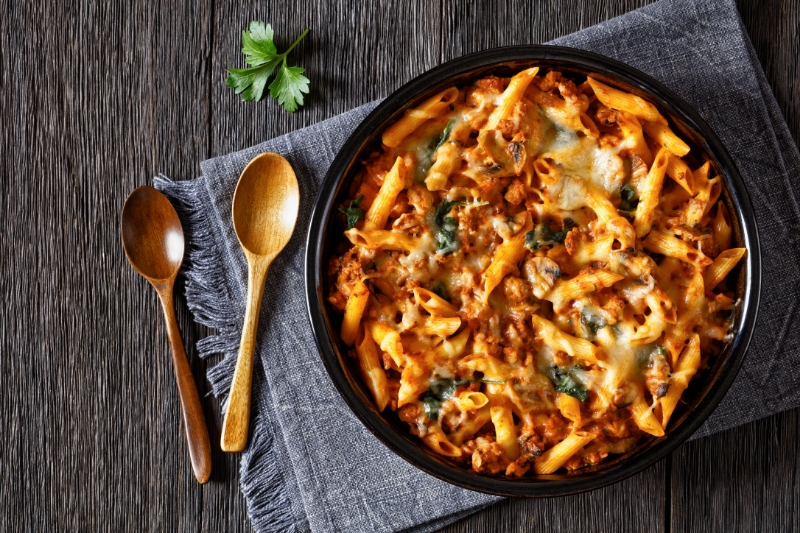
Loaded Baked Potatoes ($1.50 per serving)
Bake large potatoes until tender. Top with sautéed mushrooms, steamed broccoli, and a sprinkle of cheese. This filling dinner requires minimal effort.
One-Pot Pasta ($2.00 per serving)
In a large pot, combine:
- 8oz pasta
- 1 can of diced tomatoes
- 1 sliced onion
- 2 cups vegetable broth
- Italian herbs
Bring to a boil, then simmer until pasta absorbs the liquid and creates its sauce!
Budget Stir-Fry ($2.25 per serving)
Sauté onions, mushrooms, and frozen vegetable mix with a little oil. Add leftover protein if you have it, or scramble an egg in the pan. Serve over brown rice with a simple soy sauce, honey, and garlic sauce.
Try the “Cook Once, Eat Twice” method. When making dinner, double the recipe and transform leftovers into tomorrow’s lunch with a few simple changes.
See Related: Can You Be Rich and Frugal? Millionaire Money Habits That Save Thousands
Tips for Eating Healthy When Time Is Short

Balancing a busy schedule with healthy eating doesn’t have to be complicated. With some smart planning and simple strategies, you can nourish your body without spending hours in the kitchen or breaking your budget.
Quick and Easy Meal Ideas

Meal prepping on weekends can save you tons of time during busy weekdays. Spend 1-2 hours chopping veggies, cooking grains, and preparing protein sources. Store everything in containers for quick assembly when you’re rushed.
Eggs are your best friend! They cook in minutes and provide quality protein. Try a quick scramble with whatever veggies you have on hand. Add some garlic for a flavor boost without many calories.
Keep a rotisserie chicken in your fridge. It’s often cheaper than fast food and can be used in multiple meals – tacos, salads, or sandwiches with mustard for a tangy kick.
Canned beans are instant protein powerhouses. Rinse them, add them to salads, or heat with spices for a super-fast meal. A can of black beans with salsa fills lunch in under three minutes!
Healthy Snacking on the Go

Fresh fruit is nature’s fast food! Apples and bananas travel well and don’t need refrigeration. For hunger emergencies, keep a small stash at your desk or in your car.
Pair fruits with protein for staying power. A banana with peanut butter or an apple with a cheese stick will keep you fuller than fruit alone.
Prepare snack packs on Sunday for the entire week. Fill containers with nuts, dried fruit, and whole grain crackers for grab-and-go options that beat vending machine choices.
Yogurt cups are portable protein sources. Look for varieties without added sugar and top with a sprinkle of granola for crunch. Many stores now offer affordable store-brand options that taste great.
Staying Motivated and On Track

Keeping up with budget-friendly healthy eating takes both planning and persistence. When life gets busy, it’s easy to fall back on takeout or expensive convenience foods, but with the right mindset and tools, you can stay committed to your healthy eating goals without breaking the bank.
Setting Realistic Goals

Start by setting goals you can achieve. Rather than saying “I’ll cook every meal at home forever,” try “I’ll make healthy dinners at home four nights this week.” Small, specific targets work better than vague promises.
Keep a list of your favorite budget-friendly meals on your phone or refrigerator. When you’re tired and tempted to order pizza, this reminder can help you choose a quick, cheap homemade option instead.
Consider your schedule when planning. If Wednesdays are always hectic, that’s not the day to try a new complex recipe. Maybe that’s your night for a simple yogurt parfait with frozen berries and a drizzle of honey.
Think about your food preferences, too. If you hate kale, don’t buy it because it’s healthy. Find affordable veggies you enjoy eating.
Tracking Your Progress

Use a simple journal or app to record your meal costs. Seeing how much you save can be incredibly motivating! I’ve found that tracking helped me cut my food spending by nearly 30%.
Take “before and after” photos of your fridge and pantry as they transform from processed foods to wholesome ingredients. Visual progress is powerful.
Create a chart showing the money you save each week by cooking at home. Then, try putting this actual cash in a jar to watch your savings grow.
Track how you feel physically, too. Many people notice better energy, improved digestion, and even clearer skin when they eat more home-cooked meals with fresh ingredients.
Weekly Meal Cost Tracker:
| Meal | Store-bought/Takeout | Homemade | Savings |
|---|---|---|---|
| Lunch | $12 sandwich | $3 yogurt & veggies | $9 |
| Dinner | $15 pasta dish | $4 DIY pasta with homemade mustard sauce | $11 |
Celebrating Small Wins

Reward yourself when you hit milestones! If you cooked at home all week, use a small portion of your savings for something enjoyable (not necessarily food-related).
Share your creations on social media or with friends. Getting positive feedback on that beautiful yogurt breakfast bowl or that mustard-glazed chicken with rice can boost your motivation.
Try a “recipe exchange” with friends also cooking on a budget. This builds community and gives you fresh ideas without buying new cookbooks.
Keep a “wins” list where you note creative ways you’ve saved money while eating well. Maybe you made your mustard for pennies instead of buying an expensive gourmet jar, or perhaps you turned leftover rice into a delicious breakfast bowl with yogurt and fruit.
Remember that healthy eating on a budget isn’t about perfection. Even small changes add up to better health and significant savings over time.
See Related: Hidden Costco Savings Strategies That Actually Work
Frequently Asked Questions

Eating healthy on a budget is easier than many people think. Here are answers to common questions about creating nutritious, affordable meals for different situations and household sizes.
What are some budget-friendly, healthy meals I can prepare for weight loss?
Weight loss meals don’t have to be expensive or complicated. Focus on building plates with lots of vegetables, lean proteins, and controlled portions of whole grains.
Overnight oats with rolled oats, milk, and frozen berries make a filling breakfast for under $1 per serving. The fiber keeps you full longer, which helps prevent snacking.
Chicken and vegetable stir-fry is another excellent option. Buy chicken thighs instead of breasts to save money, and load up on whatever vegetables are on sale. A tablespoon of low-sodium soy sauce adds flavor without many calories.
Bean-based meals like black bean soup or chickpea salad provide protein and fiber at a fraction of the cost of meat. Adding spices like cumin and chili powder makes these dishes satisfying and flavorful.
Can you suggest a weekly menu for eating healthily without breaking the bank?
Planning a full week of budget-friendly meals can save money and stress. Before planning your menu, check what’s on sale.
– Monday: Vegetarian chili with beans, onions, and peppers served over brown rice
– Tuesday: Tuna patties with roasted sweet potatoes and a simple side salad
– Wednesday: Pasta with homemade tomato sauce and frozen vegetables
– Thursday: Egg and veggie frittata with toast
– Friday: Baked chicken legs with roasted carrots and broccoli
– Saturday: Bean burritos with homemade salsa
– Sunday: Lentil soup with whole grain bread
Shop once for the whole week and prep what you can in advance. Chopping vegetables on Sunday can save time on busy weeknights.
How can I make nutritious, cost-effective dinners for my family?
Family meals can be both affordable and nutritious with some smart strategies. One-pot meals like casseroles and soups stretch ingredients further and reduce cleanup time.
Sheet-pan dinners are perfect for families. Place chicken thighs, potatoes, and vegetables on a baking sheet, drizzle with olive oil and seasonings, and bake. It’s a complete meal with minimal effort.
Pasta dishes can feed a crowd cheaply. Try whole wheat pasta with homemade tomato sauce, adding lentils or ground turkey for protein. Grating carrots or zucchini adds nutrition that kids might not even notice.
Breakfast for dinner is always a hit. Whole grain pancakes with fruit, scrambled eggs, and a side of frozen vegetables cost much less than takeout.
What are the top tips for cooking wholesome food cheaply for one person?
Cooking for one presents unique challenges, but with the right approach, you can actually save money. Freeze individual portions to prevent food waste and create your own “convenience meals.”
Buy smaller quantities from bulk bins instead of packaged products. This works great for rice, oats, nuts, and spices, where you only need a little bit.
Embrace eggs as an affordable protein source. A quick scramble with whatever vegetables you need to use up makes a perfect single-serving meal.
Repurpose leftovers creatively. Last night’s roasted vegetables can become today’s grain bowl topping or sandwich filling. I’ve found getting creative with leftovers makes solo cooking more interesting.
What are the most economical yet healthy dishes I can cook for two people?
Cooking for two allows more flexibility than cooking for one while keeping costs reasonable. Stuffed vegetables like bell peppers filled with rice, beans, and seasoning make perfect two-person meals.
Fish can be affordable when bought frozen or on sale. Bake two tilapia fillets with lemon and herbs, served alongside roasted vegetables and quinoa for a restaurant-quality dinner at home.
Homemade pizza using whole wheat dough topped with tomato sauce, part-skim mozzarella, and whatever vegetables are in season gives you control over ingredients while costing less than delivery.
Batch-cook basics like brown rice, roasted vegetables, and beans that can be mixed and matched throughout the week. Having these components ready makes putting together meals for two much quicker.
How can I spend less and still ensure my family eats healthy meals?
Strategic shopping makes the biggest difference in your food budget. Always shop with a list based on your meal plan to avoid impulse purchases.
Buy fruits and vegetables in season or frozen. Frozen produce is picked at peak ripeness and often costs less than fresh, especially out of season. The nutrition is comparable, and there’s no waste.
Replace meat in some meals with beans, lentils, or eggs. Cutting meat portions in half and bulking up dishes with beans or vegetables saves money while adding fiber.
Cook from scratch whenever possible. Pre-made foods cost more and often contain more sodium and preservatives. Learning to make basics like sauces, dressings, and bread can slash your grocery bill.
Learn to use every part of your ingredients. Vegetable scraps can make broth, stale bread becomes croutons, and chicken bones create stock for future soups.
Leave a Reply