
Grocery prices just keep going up, and honestly, every extra dollar you spend sneaks up on you by the end of the month. If you’re not paying attention to the cost of milk, eggs, bread, and your other basics at different stores, you might be tossing away $50 to $100 each month without even noticing. Most folks think they need an app to compare prices, but you really don’t.
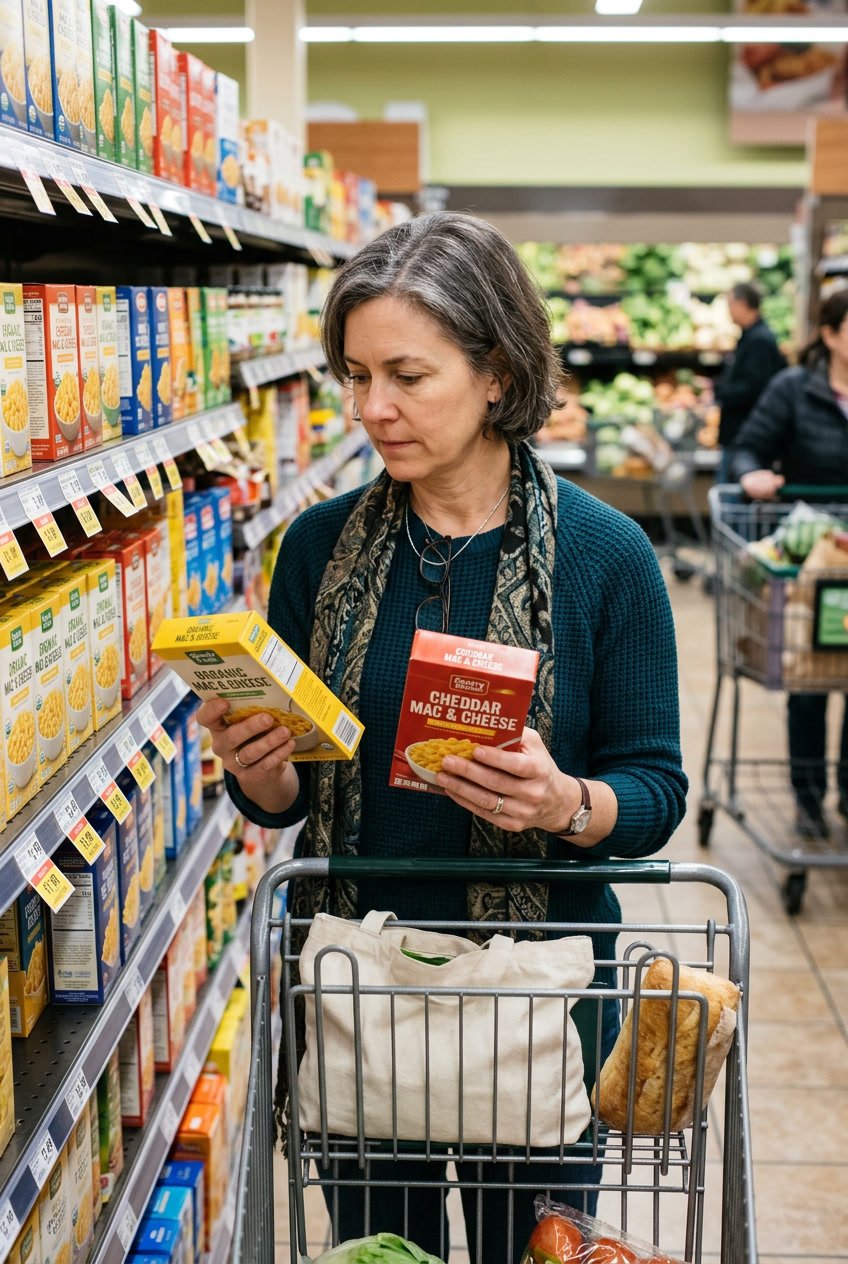
You can absolutely compare grocery prices without an app. Just keep a simple price book in a notebook or spreadsheet, check store flyers every week, and make sure you understand those little unit prices on shelf tags. Here’s how you can build your own price tracking system, spot real deals while you shop, and organize your shopping routine to save the most money—all without fancy tech or paying for subscriptions.
Key Takeaways
- Track prices for your go-to items in a notebook or spreadsheet so you know which stores actually save you money
- Use unit pricing on shelf tags and weekly store flyers to compare costs—no digital tools required
- Plan your shopping trips and skip impulse buys by building meals around sale items and loss leaders
Why Comparing Grocery Prices Matters

One store sells a box of cereal for $3.49, but just two miles away, the same box might cost $5.29. Multiply that kind of difference across your whole grocery budget and, well, you could lose hundreds each year just because you didn’t check prices first.
Understanding Grocery Price Variations
Grocery stores set prices for the same items differently. It depends on their business strategy and who they’re trying to attract.
Maybe a can of organic tomatoes runs $2.50 at your regular supermarket, just $2.00 at a discount place, or $3.00 at that fancy health food store.
Even stores in the same chain play this game. Location really matters more than you’d expect. A gallon of organic milk at a suburban Safeway might be $6.99, while the same milk at a city Safeway is $5.49.
You’ll see price differences like:
- Same brand, different stores: 20-40% swing
- Store brands vs name brands: Usually 15-30% cheaper
- Bulk sizes at warehouse clubs: Often a deal per unit, but not always
- Ethnic markets for certain foods: 30-50% off spices, rice, beans
Stores use different tricks. Some keep milk and eggs cheap to lure you in, then charge more for snacks or canned foods. Others flip it. You won’t know who’s doing what until you track it yourself.
Why Real-Time Prices Make a Difference

Grocery prices change all the time. You might pay $1.99 for something last month, but this week it’s $2.49—or suddenly on sale for $1.50. Seasons, supply chain messes, and random promotions all mess with what you pay.
If you know real, current prices, you can catch these jumps and dips. Strawberries cost $5.99 per pound in January, but drop to $2.99 in June. Knowing what’s cheap right now lets you switch stores or change your list, instead of just repeating last month’s habits.
This matters most for stuff you buy every week. If you always get chicken breasts, a $1 per pound difference adds up. Buy three pounds a week at $5.99 instead of $4.99, and you’ll waste $156 a year—on just one thing.
The Cost of Not Comparing: Stop Overpaying for Groceries

Most families who don’t compare prices end up spending $100-$200 more a month. That’s $1,200-$2,400 a year gone—money that could pay off debt, boost savings, or actually go toward something you care about instead of overpriced groceries.
Here’s how it happens. You grab peanut butter for $5.49 because it’s right there.
But if you checked, you’d see the same jar for $3.99 at another store you drive by anyway. That $1.50 difference, multiplied over 30-40 items, drains your wallet.
What happens when you skip price comparison:
- You pay full price when sales are happening elsewhere
- You buy smaller packages at higher per-unit prices
- You miss out on loss leaders that actually save you money
- You default to the most convenient (and often priciest) store
Your grocery budget doesn’t stand a chance if you’re always paying 20% more than you need to. Start a price book for your top ten items, and you’ll see exactly where your cash is going.
Methods to Compare Grocery Prices Without an App

You don’t need anything fancy. Pen and paper, store ads, and a quick look at shelf tags work surprisingly well. These old-school tricks build your price sense and help you catch real sales—no phone or Wi-Fi required.
Using Price Books and Spreadsheets

A price book is basically your cheat sheet for the best prices you’ve seen on your regular buys. Just jot down the item, size, store, price, and date. That way, you know what’s a good deal for things like milk, bread, chicken, or pasta.
Start with 15 to 20 items that eat up most of your budget. Always track the price per unit—not just the shelf price—because package sizes change all the time. If you see milk at $2.99 a gallon at one store and $3.49 at another, your price book tells you which store wins.
Use a small notebook you can toss in your bag, or a simple spreadsheet at home. Update your notes when you spot a lower price or prices go up. After a month or two, you’ll see price patterns and spot fake “sales.”
This works best if you stick to the same 30 to 40 items and visit a couple of stores regularly. Your price book will save you time and keep your spending predictable.
Checking Weekly Ads and Circulars

Those print ads that show up in your mailbox or sit by the store entrance? They’re still one of the fastest ways to compare prices before you even leave the house. Grab the ads from your three closest stores and skim the front page for loss leaders—those crazy-cheap items meant to get you in the door.
Check per-pound prices on meat, produce, and cheese so you can compare across stores. A “buy two, get one free” only helps if the regular price is decent. Circle the stuff on your list that’s in each ad, then see which store gives you the most matches.
Store brands usually get better discounts in these ads than name brands, and if you stack a sale with a printed coupon, you can save even more. Watch for multi-buy deals—sometimes you have to buy a certain number to get the sale price.
If you plan your meals around what’s on sale, your grocery budget stretches further with no extra work. Hang onto last week’s ads for a month to spot price cycles, especially for canned or frozen stuff that goes on sale every few weeks.
Comparing In-Store Shelf Tags and Unit Prices

The tiny print on shelf tags shows you the price per ounce, pound, or count, and that’s what really matters when you’re standing in the aisle. Unit pricing helps you compare a 12-ounce box with an 18-ounce bag in seconds.
Store brands usually win on unit price, but not always. Double-check, because thanks to shrinkflation, a “family size” package sometimes costs more per ounce than the regular one. If the tag is missing or confusing, just use your phone calculator and divide the price by the weight or count.
Test whether buying in bulk actually saves you money by looking at unit prices. A 24-pack of snack bars at $0.41 each beats a 6-pack at $0.53 each, but only if you’ll eat them before they go stale. Compare across brands, sizes, and even different sections of the store—sometimes the same item pops up in two places at different prices.
This habit adds maybe two minutes to your shopping trip, but it’ll shield you from pricing tricks and mindless shopping. Write down unit prices for your five most expensive items so you’ll spot a real deal next time.
See Related: Apps Like Flipp for Grocery Deals: Compare, Clip, and Save
Building and Using a Personal Price Book

A price book is your own record of what stuff actually costs at different stores. Tracking price history helps you spot real deals instead of falling for marketing tricks. Pick a format that fits your habits and focus on the things you buy all the time to build a useful reference tool.
Choosing the Right Format: Paper vs. Digital

Paper works better if you want prices to stick in your head. Writing by hand just makes you remember—like, you’ll know that organic chicken is $2.49/lb at Costco without even looking.
A cheap notebook from the dollar store works fine. Set up five columns: date, store, brand, total price, size, and unit price. Give each item its own page or half-page.
Digital spreadsheets let you sort and search fast. You can filter by store or item, which helps when you’re planning shopping lists at home. But honestly, you probably won’t remember the numbers as well.
Pick whatever you’ll actually use. If you never pull out your phone in the store, stick to paper. If you already use a grocery budget spreadsheet, just add a price book tab.
Tracking Price History for Frequent Items

Start with ten items you buy every week or month. Pull out your latest receipts and jot down what you paid for milk, eggs, chicken, rice—whatever you always get.
Every time you shop, add new prices for those same things, even if they haven’t changed. After a few months, patterns pop up. Maybe strawberries always hit $1.99/lb in June, or pasta sauce drops to 89¢ during the holidays.
Focus on high-impact stuff. If your family buys two whole chickens every month, switching from $2.69/lb to $2.49/lb saves you $24 a year. Track eggs if you use two dozen a month, but skip blue cheese if you buy it once a year.
Update ten items a week from your latest receipts. Write down the unit price even if the shelf tag shows it, because stores mess up sometimes. This price history will guard your grocery budget, showing you if that “sale” price is actually worth changing your plans.
Smart Strategies for In-Store Price Comparison

Shelf tags in front of every product give you exactly what you need to spot the cheapest option. If you get good at reading them quickly, grocery shopping turns from a guessing game into a numbers game—and you’re way more likely to win.
Reading and Understanding Unit Pricing Labels

Most shelf tags show a price per unit in smaller print below the main price. This number tells you the cost per ounce, pound, or count, depending on what you’re buying.
Let’s say you grab a 15-ounce can of tomatoes for $2.50 and see a 28-ounce can for $3.50. At first glance, the smaller can seems cheaper.
But the unit price tells a different story: the 15-ounce can is 17 cents per ounce, while the 28-ounce can drops to 13 cents per ounce. That’s a 24% savings for every ounce.
You’ll usually spot the unit price in the bottom corner of most shelf tags, often in gray or black text. Some stores use colored tags for sales, but the unit price stays in the same spot.
Check for inconsistent units on the same shelf. One brand might list price per ounce, another per pound.
Quick trick: 16 ounces equals one pound. If Brand A costs 24 cents per ounce, that’s $3.84 per pound. Brand B might show $3.20 per pound—so Brand B wins.
Store brands often post lower unit prices than name brands, sometimes by 20-40%. Jot down the unit prices of your top 10 items to build a mental sense of what’s actually a good deal.
Comparing Sizes and Brands Effectively

Big packages don’t always mean better value. Compare the unit price between a 32-ounce yogurt tub and those little 6-ounce cups. Sometimes, the cups are actually cheaper per ounce when they’re on sale.
Focus your price comparison on stuff you really use. A gallon of olive oil at $1.20 per ounce won’t save you anything if half of it goes rancid before you finish it.
Generic brands, often made by the same manufacturer, usually sit right next to the name brands. If the store brand pasta is $2.15 per pound and the name brand is $3.10 for the same thing, you’re paying 44% more for fancy packaging.
Sales tags might make you feel rushed, but always do the math. “Buy 2 Get 1 Free” on a $4.99 item means you pay $9.98 for three, or $3.33 each. If another brand is $2.99 regularly, the sale isn’t a deal.
Use a notepad or your phone to track unit prices at different stores for your go-to items. After a few trips, you’ll know where to buy chicken ($2.49/lb at Costco beats $2.69/lb at Trader Joe’s), eggs ($4.79 for 20 at discount grocers vs. $4.99 per dozen elsewhere), and dried beans (99 cents per pound at ethnic markets instead of $1.69 at chain supermarkets).
See Related: Clearance Shopping Tips That Will Save You 75% on Everyday Essentials
Organizing Your Shopping for Maximum Savings

A solid shopping list can cut impulse buys in half. If you split your shopping between two stores, you can save $30 to $50 a month without doubling your effort.
Creating Effective and Flexible Shopping Lists

Think of your shopping list as a budget blueprint, not a strict script. Try splitting your list into two columns: staples you buy weekly (like milk, eggs, bread) and stockpile items you only grab when prices drop below your target.
Write down the last price you paid next to each staple. That way, you can quickly compare prices while shopping. If you see whole chickens at $2.69 per pound but paid $2.49 last month, you’ll know to wait or shop somewhere else.
Keep a running list on your fridge all week. Add things as you run out, not when you’re hungry or rushing out the door.
Build in swap options for expensive proteins. If your list says “ground turkey” but ground beef is $2 cheaper per pound this week, your meal plan should let you switch. Same goes for produce—write “leafy greens” instead of “kale” so you can grab whatever’s cheapest.
Leave space at the bottom for one or two “only if under $X” items. These are wants, not needs, and setting a price limit keeps you from blowing your budget.
Developing a Two-Store Strategy

Shopping at two stores might sound like extra work, but it really does save money when you plan it out. Choose one store for bulk staples and another for produce and sales.
Your main store should have the best everyday prices on your regular purchases. Check your receipts from last month and list your top 10 items.
Compare those at a few local stores. The store with the lowest total wins.
Your backup store fills in the gaps. Maybe you pick up organic produce at the farmer’s market, meat at Costco, or spices at a specialty shop. Limit yourself to 5-7 items at this second stop.
Plan your route so you’re not wasting gas. If both stores are near your usual errands, great.
But if you have to drive 15 extra minutes, check if your savings cover the fuel cost. With current gas prices, an extra 10 miles costs about $2 to $3.
Batch these two-store trips weekly or every other week. Buy shelf-stable and freezer items in bulk at your secondary store so you don’t need to go as often. Your price comparison only pays off if your routine actually uses the info.
Avoiding Common Pitfalls in Manual Price Comparison

Tracking grocery prices by hand can lead to mistakes that cost you money. The biggest traps? Chasing flashy sales that aren’t real deals, and buying more than you can use before it spoils.
Recognizing Temporary Sales Versus Long-Term Value

That bright yellow sale tag doesn’t always mean you’re saving. Stores rotate sales to create urgency and get you in the door. But what’s the normal price at other stores?
You might see pasta marked down from $2.49 to $1.99 at your regular grocery. Sounds good, but maybe the discount store down the street sells their brand for $0.89 every day. You’re still overpaying by $1.10 per box, sale or not.
Here’s what actually helps your budget:
- Know baseline prices—Write down what staples like chicken, eggs, butter, and beans cost at your cheapest local store.
- Calculate the real discount—A sale from $5 to $4.50 is just 10% off, probably not worth a special trip.
- Watch unit pricing—That “family size” cereal on sale might still cost more per ounce than a regular box elsewhere.
Loss leaders are legit deals. When stores advertise milk for $1.99 or eggs for $0.99, they’re losing money to pull you in. Buy those, but skip the full-price stuff they hope you’ll grab.
Preventing Impulse Purchases and Food Waste

Manual price tracking only saves you money if you stick to what you actually need. The biggest budget killer isn’t paying 30 cents too much for tomatoes—it’s buying food that goes bad in your fridge.
Shop with a specific meal plan. Comparing prices by hand already takes extra effort, so don’t waste it on random “deals” that don’t fit your meals this week.
I’ve watched people save $15 by tracking prices, then blow $25 on impulse buys or forgotten produce. Saving on groceries means cutting waste, too.
Three rules to protect your grocery budget:
- Only buy sale items you already planned to purchase—Stocking up on 10 cans of soup you never eat doesn’t save money.
- Check your fridge before shopping—You might already have that onion or bottle of soy sauce.
- Calculate cost per meal, not just per item—Spending $8 on ingredients for four dinners beats spending $5 on something you’ll use once.
Bring your handwritten price list and meal plan. Leave your autopilot brain at home.
See Related: Easy Frugal Habits for Beginners That Transform Your Finances
Frequently Asked Questions

Tracking grocery prices by hand raises some practical questions about how to do it, how much time it takes, and whether these old-school strategies still work in 2026. Here are some answers about comparing prices without apps and making manual tracking fit your life.
What are some effective strategies for comparing grocery prices across different stores without using an app?
Keep a small notebook in your bag or car and jot down prices as you shop. Focus on the 10-15 items you buy most often—don’t try to track everything.
Check shelf tags for unit prices. A 15-ounce can of tomatoes might look cheaper at $1.99 than a 28-ounce can at $2.79, but the unit price tells the truth: the larger can costs 10 cents per ounce, the smaller one 13 cents. Most tags show this info below the main price.
Visit stores you don’t usually shop at and walk the aisles with your staples. You don’t have to buy anything—just note what organic chicken costs per pound at Trader Joe’s, Whole Foods, and your regular store.
Can you offer tips for manually tracking grocery prices to ensure I’m getting the best deals?
Write down five things for each item: date, store, brand, total price with size, and price per unit. For example: “3/10/26, Costco, Kirkland, $4.79 for 20 eggs, 24 cents per egg.”
Start with stuff you buy weekly or monthly. If bananas show up on every receipt but vanilla extract only twice a year, bananas belong in your price book—vanilla doesn’t. Your recent receipts will show your most frequent buys.
After shopping, set aside 15 minutes to update your records. Check your receipts and add new prices or update old ones if you found something cheaper. Sometimes the numbers will surprise you, especially for items you just assumed were a bargain.
Could you provide advice on how to use store flyers and circulars to compare grocery prices?
Grab weekly ads from every store in your area, even places you don’t usually go. Most stores post circulars online by Sunday night, or you can pick up paper copies at the entrance.
Read through the ads with a highlighter and mark items you actually buy. Don’t get sucked in by deals on stuff you’d never use. If strawberries are in three flyers, write down each store’s price per pound so you know who’s cheapest.
Use these circulars to add price data to your notebook without leaving home. If Safeway has organic ground beef at $6.99/lb and you paid $8.49 last week elsewhere, that’s useful info—even if you don’t shop there this week. Over time, you’ll spot patterns and price ranges.
What’s your approach to organizing price information when shopping for groceries sans app assistance?
Give each item its own page or half-page in your notebook. Write the product name at the top, then make five columns: Date, Store, Brand, Total Price/Size, and Unit Price.
Sort your notebook by category, not product name. Put all dairy together, all canned goods together, all produce together. This matches how you shop and makes it easier to find what you need.
Before you write your grocery list each week, flip through your price book. If chicken thighs are $2.99/lb at Store A but Store B advertises $1.99 in their flyer, you know where to shop. Your notebook becomes a decision tool, not just a record.
How do you stay updated on the latest grocery deals without the convenience of an app?
Check your mailbox for store circulars every Tuesday and Wednesday. Most grocery chains send out weekly ads to residents, and these usually show up before the sale period even starts.
Flip through them while you’re having breakfast, or maybe while dinner’s simmering on the stove. It’s a small habit, but it can really help you catch deals before they’re gone.
Join store loyalty programs that send paper coupons or print them at checkout. A lot of chains print coupons right on the bottom of your receipt, based on what you bought.
You can just clip those right away and stash them in an envelope in your wallet. It’s easy to forget, but if you make it part of your routine, you’ll have a stash ready for your next trip.
Talk to other shoppers in the store. Maybe ask someone in the produce section if they’ve spotted good prices on apples, or if they know when the store typically marks down rotisserie chickens.
People who shop there all the time usually know the unofficial patterns. Maybe they’ll tell you which day the bakery discounts bread, or when the meat department slashes prices on items about to hit their sell-by date.
Can you suggest any community resources or forums for sharing and finding information on grocery prices?
Start by checking out local Facebook groups that focus on your city or neighborhood. Try searching for things like “Your City Grocery Deals” or “Your Town Frugal Living.” You’ll probably find active groups where people share weekly deals, clearance finds, and compare prices between nearby stores.
Pop over to your library and take a look at the community bulletin board. Sometimes, you’ll spot informal shopping groups that swap price lists or even organize group trips to discount stores. Libraries usually have consumer magazines, too, and sometimes those magazines list regional price comparisons for basic groceries.
Chat with folks at your place of worship, community center, or any parent groups you’re part of. Someone might already track local grocery prices.
In a lot of neighborhoods, you’ll find seasoned budget shoppers who keep informal price lists and don’t mind sharing them. Farmer’s markets are another good spot—vendors and regular shoppers often swap info about which stores have decent produce prices, especially during the off-season.
Leave a Reply