
Just three years ago, I watched my grocery bills drain my bank account faster than I could make money. I used to spend over $400 a month feeding just myself, thinking that healthy eating meant buying pricey organic everything.
Then I stumbled into frugal vegan meal planning, and everything flipped on its head. If you plan plant-based meals and focus on affordable staples like beans, rice, and whatever veggies are in season, you really can cut your grocery costs by 60%—and somehow eat better, too.

Here’s the thing: you don’t have to restrict yourself or eat bland, repetitive meals every day. It’s about figuring out which vegan foods give you the most nutrition for your dollar and building simple routines that fit your life.
Once you get the hang of strategic meal planning, bulk buying, and basic cooking skills, plant-based eating just gets easier—and, honestly, way more budget-friendly.
I’ll walk you through my favorite strategies for making delicious vegan meals without blowing your budget. You’ll get tips on which pantry staples to stock, how to shop smarter at any store, and easy cooking tricks that make food taste good without costing a fortune.
Key Takeaways
- A little strategic meal planning with plant-based food can slash grocery costs by up to 60% compared to typical diets.
- Focusing on affordable staples—beans, grains, and what’s in season—gets you the most nutrition for your money.
- Smart shopping and bulk buying really do make vegan eating sustainable and affordable.
Why Frugal Vegan Meal Planning Works

People often assume going vegan means buying expensive specialty foods and running to health food stores every week. Honestly, plant-based eating can shrink your grocery bill if you stick to whole foods, seasonal produce, and bulk staples.
Debunking the Myth of Expensive Veganism

The biggest myth? You need fancy meat substitutes and specialty items. Real frugal vegan meal planning is all about whole foods—beans, lentils, rice, and whatever veggies are cheap right now.
A pound of dried black beans runs about $1.50 and gives you eight servings of protein. Ground beef? That’s $5-6 per pound for the same amount. You’re pocketing 70-80% savings on protein alone.
Those expensive vegan products at the store? They’re just for convenience. If you plan meals around basic plant-based ingredients, your grocery bill drops. Rice, pasta, oats, potatoes—these are the backbone of cheap, filling meals.
Seasonal vegetables are always cheaper than the out-of-season stuff. If you plan meals around what’s being harvested locally, you can cut produce costs by 40-50%.
Core Benefits of a Plant-Based Diet on a Budget

Bulk buying is your secret weapon when you plan vegan meals. Dried beans, lentils, quinoa, and whole grains last forever and cost just pennies per serving if you buy in bulk.
Meal planning gets simpler since plant-based proteins won’t spoil as fast. You no longer have to stress about meat going bad or making emergency store runs for fresh proteins.
Batch cooking works wonders with vegan staples. Make a big pot of chili, curry, or soup, and you’ve got meals for days. Honestly, these dishes get better after a night in the fridge.
You waste way less food when you plan plant-based meals. Leftover veggies? Toss them in soup, stir-fry, or a smoothie. Overripe bananas? Banana bread or smoothies.
Grocery shopping gets more predictable. Plant-based staples don’t bounce around in price like meat and dairy, so budgeting becomes easier.
Aligning Ethics, Health, and Savings

Frugal vegan meal planning is a triple win—good for your values, your health, and your finances. You lower your environmental impact, feel better, and save money. What’s not to like?
The cheapest plant-based foods are usually the most nutritious ones. Beans, lentils, whole grains, and seasonal veggies pack the most nutrients per dollar.
Your healthcare costs might drop, too. Plant-based diets are linked to lower rates of heart disease, diabetes, and some cancers. The money you save at the store could mean fewer doctor visits down the line.
Planning vegan meals forces you to get creative in the kitchen. You’ll find new cuisines and cooking hacks that keep eating interesting.
There’s real satisfaction in eating ethically while sticking to your budget. When you feel good about your choices, it’s so much easier to keep up the routine.
Mastering Effective Vegan Meal Planning

Smart meal planning can turn your kitchen into a money-saving powerhouse. You’ll get nutritious, plant-based meals on the table without the stress or the sticker shock.
A strategic approach—budgeting, planning around staples, and using up leftovers—can cut your grocery bills by 30-40% compared to just winging it at the store.
Setting Realistic Food Budgets

Make your food budget fit your real eating habits, not what you wish you ate. Track what you spend for two weeks to see where your money goes.
Weekly Budget Breakdown:
- Single person: $35-50
- Couple: $60-80
- Family of four: $100-130
Put about 60% of your budget toward staples—beans, grains, and seasonal veggies. Spend 25% on proteins like tofu, tempeh, and nuts. The last 15% covers special items and little treats.
Shop the bulk bins for the best deals on essentials. Rice, lentils, and oats cost 40-60% less when you buy this way. Bring your containers if the store allows—it’s cheaper and greener.
Set a hard weekly limit and stick to it. Pay with cash or a dedicated card so you don’t go over. Once you’re at your limit, that’s it until next week.
Planning Meals Around Staples

Build your meal plan around cheap, versatile ingredients you can use in several recipes. This keeps waste down and stretches your money.
Core Staples for Every Meal:
- Grains: Brown rice, quinoa, oats, pasta
- Proteins: Black beans, lentils, chickpeas, tofu
- Vegetables: Onions, carrots, spinach, potatoes
Pick five vegan recipes that share ingredients. Chickpeas, for example, can be hummus on Monday, curry on Wednesday, and salad topper on Friday.
Buy produce that’s in season—it’s always the cheapest. Winter squash in the fall, citrus in winter, berries in summer. Frozen veggies are just as good for most recipes and never rot.
Stock up on spices and sauces. The same rice and beans can taste Mexican, Indian, or Mediterranean with just a change of seasoning.
Leveraging Leftovers for Efficiency

Turn leftovers into totally new meals instead of eating the same thing over and over. It keeps things interesting and prevents waste.
Leftover Transformation Examples:
- Roasted veggies → soup or grain bowls
- Cooked beans → burger patties or salad toppers
- Extra rice → stir-fry or stuffed peppers
Cook big batches on weekends if you have time. Double up on soups, stews, and grains—they taste better after a day or two.
Store leftovers in clear glass containers with labels. If you can see what’s in there, you’re less likely to forget it and let it spoil.
Have a “leftover night” once a week. Combine whatever’s left and get creative. Honestly, these nights sometimes lead to the best meals.
See Related: Frugal Habits: Money-Saving Tips for a Thrifty Lifestyle
Essential Budget-Friendly Vegan Staples

Building a smart pantry means picking ingredients that stretch your dollar and deliver on nutrition. Rice, beans, and oats are the backbone of so many affordable meals, while frozen veggies and tofu give you protein without the fancy price tag.
Best Grains for Filling Meals

Brown rice is my go-to because it’s about $2 a pound and feeds you for days. Buy the big 5-pound bags to save even more.
Oats aren’t just for breakfast. Steel-cut oats are $3 for a container that lasts all month. Make overnight oats, savory oat bowls, or blend them into flour.
Quinoa looks expensive at $4-5 a pound, but it’s a complete protein. Buy from the bulk bins to save 30-40% over packaged.
Whole wheat or legume pasta gives you more nutrition for less. A one-pound box feeds 4-6 people for under $2.
Store grains in airtight containers—keeps bugs out and your food fresh. Rice and oats can last up to a year if you store them right.
Affordable Protein Powerhouses

Dried beans and legumes are way cheaper than canned—think 60-70% less. A one-pound bag of chickpeas costs about $1.50 and makes 4-5 cans’ worth.
Lentils cook up fast and don’t need soaking. Red lentils are perfect for busy nights and run about $2 a pound.
Tofu is a complete protein for $2-3 a block. Beginners should grab extra-firm—it holds up best when cooking. Just press out the water before using.
Chickpeas are ridiculously versatile. Hummus, roasted snacks, curries, “tuna” salad—you name it. Canned chickpeas are fine if you’re short on time.
Buy beans in bulk and cook big batches. Freeze in meal-sized portions for up to six months.
Versatile Frozen and Fresh Produce

Frozen veggies are just as nutritious as fresh and half the price. They’re washed, chopped, and won’t go bad in your fridge.
Frozen broccoli, spinach, and mixed veggies are must-haves. A 16-ounce bag is $1-2 and makes any meal healthier.
Fresh produce should focus on the hardy stuff—long-lasting options like carrots, onions, potatoes, and cabbage. These keep for weeks and are under $1 per pound.
Bananas are the cheapest fruit, usually 50-70 cents a pound. Buy them at different ripeness levels so you always have some ready.
Seasonal produce is where the deals are. Stock up when prices drop and freeze extras. Bell peppers freeze great for stir-fries and soups.
Shop sales, and let your meal plan flex with what’s on special. Your wallet will be happier.
Simple Strategies for Frugal Vegan Cooking

Cooking smart can shrink your grocery bill while keeping meals tasty and nutritious. The trick is using versatile ingredients and time-saving methods that get you more flavor for less money.
Batch Cooking and Meal Prep

Batch cooking is a total game-changer. Prep big batches of grains, beans, and roasted veggies on the weekend, and you’ll have mix-and-match meals all week.
Cook 3-4 cups of dried beans or lentils at once. You’ll get protein for several meals at just 50 cents per cup, compared to $2 for canned.
Make grain bases in bulk. Brown rice, quinoa, and farro keep for 4-5 days in the fridge. Use them for bowls, stuffed veggies, or quick stir-fries.
Roast whatever veggies are cheap and in season. Sweet potatoes, carrots, Brussels sprouts—they add instant nutrition to any meal.
Prepping veggies ahead saves time and cuts waste. Wash and chop your produce right after shopping. You’ll use it if it’s ready to go.
Store prepped ingredients in glass containers, and slap on a date label. It’s not fancy, but it helps you keep track and waste less food.
Creating One-Pot Soups and Stews

One-pot meals really stretch your ingredients and make dinner feel complete without much fuss. Soups and stews turn humble veggies into satisfying, hearty dishes that fill you up and keep your wallet happy.
I usually start with onions, carrots, and celery. These basic aromatics cost less than $2 together and give any soup a solid flavor foundation.
Skip the fancy stuff—build flavor with what you have. Toss in garlic, herbs, and spices early on. Bay leaves, thyme, smoked paprika—these cost next to nothing but make your kitchen smell like a restaurant.
Lentil stews? Absolute heroes for budget cooking. Red lentils cook fast—about 15 minutes—and they soak up every bit of flavor you throw at them.
Don’t toss your veggie scraps. I keep onion peels, herb stems, and random veggie ends in the freezer. Simmer them into a homemade broth for free flavor that beats anything from a box.
Leafy greens go in at the very end. Spinach, kale, chard—they wilt down in seconds and add nutrition without adding much to your grocery bill.
Quick Recipe Rotation Tips

Rotating three basic meal templates keeps things interesting and your budget on track. I stick to grain bowls, pasta, and stir-fries as my main meal categories.
Grain bowls are almost too easy: a grain, some protein, veggies, and a sauce. Change up the beans, swap in seasonal produce, and make your dressings for variety.
I keep five sauces in my regular lineup. Tahini, pesto, peanut sauce, classic marinara, and a simple vinaigrette. Suddenly, the same ingredients feel like a whole new meal.
Plan for ingredient overlap. If you buy bell peppers, use them in stir-fries, pasta, and soup. Less waste, more meals.
Theme nights help a ton. Monday pasta, Wednesday stir-fry, Friday soup—just enough structure to keep me sane, but not so much that I get bored.
Track which combos your family loves. Jot down the pairings that get rave reviews. It saves you from last-minute panic and cuts down on food waste from failed experiments.
See Related: Easy Frugal Habits for Beginners That Transform Your Finances
Smart Grocery Shopping Tips for Vegans on a Budget

You can slash your vegan grocery bill by 30-40% if you shop with a plan. It’s all about thinking ahead, buying smart, and timing your purchases just right.
Using Grocery Lists and Apps

Your phone can be your best friend for saving money. Meal planning apps like Mealime or PlantJoyMeal help you map out your week and spit out grocery lists in seconds.
Before you hit the store, take 10 minutes to scroll through flyers or apps like Flipp or Basket. People save $15-20 per trip just by checking what’s on sale.
Cashback apps like Ibotta hand out instant rebates on vegan basics. You’ll see deals on plant milk, frozen veggies, and pantry staples like quinoa and lentils.
Stick to your list like your budget depends on it—because it does. Impulse buys eat up about 23% of grocery budgets. I write my list in the order I walk the aisles to avoid temptation.
Grocery pickup can be a lifesaver. Yes, sometimes there’s a small fee, but you dodge impulse buys and can compare prices without pressure.
Shopping Bulk and Store Brands

Bulk bins are gold for frugal vegans. Brown rice, quinoa, dried beans—they’re 50-70% cheaper in bulk than pre-packaged.
Bring your jars or bags if your store allows it. A pound of dried chickpeas in bulk costs about $1.50; canned, it’s $3-4. No contest.
Store brands? They’re usually identical to name brands but 20-30% cheaper. Generic almond milk, canned tomatoes, frozen veggies—they’re all made by the same big companies.
Asian and Latin American markets have killer bulk prices on rice, beans, and spices. I’ve seen 25-pound bags of jasmine rice for $15—try finding that at a regular supermarket.
Stock up when non-perishables go on sale. When pasta sauce drops to $1 a jar, I grab six. Future me always appreciates it.
Purchasing Seasonal and Discounted Produce

Seasonal produce is where the deals are. Summer tomatoes cost $2 a pound, but in winter? They’re $4 and taste like cardboard anyway. Plan your meals around what’s in season.
Frozen veggies often win on both price and nutrition. Frozen broccoli is $1.50 a pound all year; fresh can hit $3-4.
Hit the markdown produce section first. Overripe bananas are perfect for smoothies and are half the price. Wilting greens? Toss them in soup or stir-fry.
Imperfect produce delivery services like Misfits Market or Imperfect Foods send you organic produce for 30-40% less, even after delivery fees.
Learn your store’s markdown schedule. Sunday evenings and Wednesday mornings are prime time for produce deals.
Maximizing Nutrition Without Overspending

You don’t have to spend a fortune to eat well as a vegan. If you know which foods give you the most nutrition per dollar, you can build great meals around cheap staples and sneak in nutrient-dense veggies like leafy greens.
Balancing Macronutrients with Cheap Foods
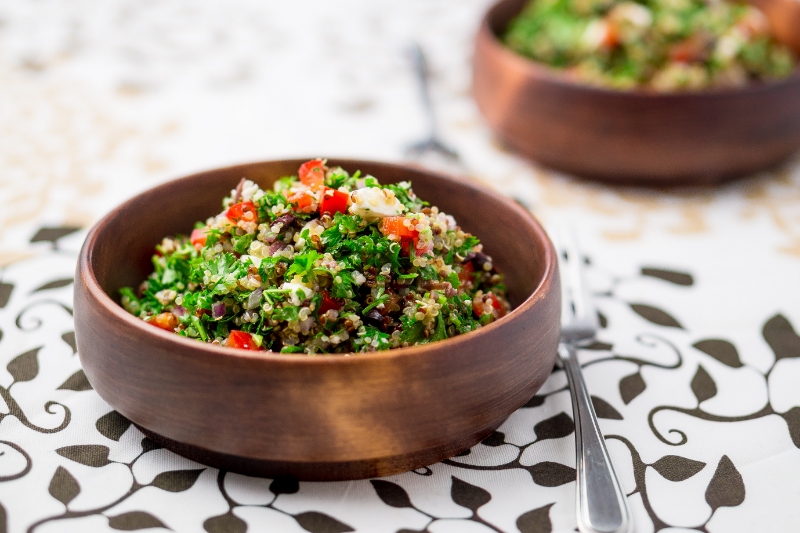
A plant-based diet needs protein, healthy fats, and complex carbs. The best part? The cheapest vegan foods often cover more than one base.
Dried beans and lentils run about $1.50 a pound and give you protein and fiber-rich carbs. One cup of cooked lentils? That’s 18g of protein for about 30 cents.
Oats are a frugalist’s dream: complex carbs, some protein, and only $0.08 per serving. Add a couple of tablespoons of peanut butter for healthy fats and more protein—still just $0.25 extra.
Quinoa is pricier, but it’s a complete protein. Buy it in bulk and you’ll pay around $0.40 per serving.
Here’s a quick cheat sheet for balanced, cheap meals:
| Protein Base | Carb Source | Healthy Fat | Cost Per Serving |
|---|---|---|---|
| Black beans | Brown rice | Avocado | $0.85 |
| Chickpeas | Sweet potato | Tahini | $0.92 |
| Tofu | Quinoa | Olive oil | $1.15 |
Nuts and seeds are nutritious but can be pricey. Swap almonds for sunflower seeds and save 60% without missing out on nutrition.
Incorporating Greens Like Kale and Broccoli

Kale and broccoli pack a nutritional punch without wrecking your budget—if you shop smart. Fresh kale is about $2 a bunch and covers several meals with vitamin K, C, and iron.
Frozen broccoli is usually 40% cheaper than fresh and just as healthy. A $1.29 bag gives you four servings of vitamin C and folate.
Buy kale on sale and freeze it yourself. Wash, chop, and stash it in freezer bags for smoothies or soups. It’ll last three months instead of just a week.
Broccoli stems are just as good as florets. Peel, dice, and toss them in stir-fries or grate them raw for salads.
Seasonal shopping is key. Kale drops 30% in price in fall and winter, and broccoli is cheapest in spring and fall.
If you can, grow your own. Kale seeds cost $2 and keep you in greens for months. Even a windowsill pot can give you fresh microgreens.
Avoiding Common Budget Pitfalls

It’s easy to overspend on a vegan diet, especially with all those fancy processed foods. The truth? Most cost three times more than whole food alternatives and don’t add much nutrition.
Skip the pricey vegan meats. They’re $5-8 a pack. Make your lentil-oat burgers for $0.75 each and skip the mystery ingredients.
Plant-based milk is $3-4 per carton, but homemade oat milk costs just $0.50 a quart. Blend a cup of oats with four cups of water, strain, and you’re done.
Don’t go organic on everything. Stick to the “Dirty Dozen” for organics and buy the rest conventional—your wallet will thank you.
Bulk buying isn’t always a win. If food spoils, it’s wasted money. Split big buys with friends or only get what you’ll use in a month.
No plan = wasted money. Plan three meals that use similar ingredients. You’ll save cash and cut down on food waste.
See Related: Minimalist Frugal Living Strategies Habits to Achieve Freedom and Joy
Frequently Asked Questions

You don’t have to feel overwhelmed or boxed in when planning budget-friendly vegan meals. Here are some questions I get all the time—along with the real-world answers that work.
How can I plan a week’s worth of vegan meals on a budget?
Start by picking a realistic weekly food budget. Plenty of folks eat plant-based for $40-50 a week. Write out your meals before you shop to dodge impulse buys that wreck your budget.
Build your meals around what’s already in your pantry. Got rice, beans, pasta, or canned tomatoes? Use them as the backbone for several meals.
Pick recipes that use overlapping ingredients. If you buy spinach for Monday’s pasta, toss the rest in Tuesday’s smoothie and Wednesday’s stir-fry.
Batch cook on the weekend if you can. Make big pots of rice, beans, or soup and eat them all week. It’s way cheaper—and honestly, a lifesaver on busy nights.
What are some affordable staple ingredients for a frugal vegan pantry?
Rice and dried beans are the champions of budget vegan eating. A 20-pound bag of rice is about $12 and goes a long way. Dried beans cost $1 a pound and triple in size when cooked.
Oats are crazy versatile and cheap. Use them for breakfast, smoothies, or grind them for baking. A big container is under $3 and lasts ages.
Frozen veggies are often cheaper than fresh and don’t spoil. Stock up on frozen spinach, broccoli, and mixed veggies—they’re easy to toss into any meal.
Canned tomatoes, tomato paste, and coconut milk are pantry MVPs. They add flavor and richness to all sorts of dishes. Buy when they’re under $1 a can.
Nutritional yeast gives you a cheesy flavor and B vitamins. The $6-8 upfront cost might sting, but a container lasts months if you use it sparingly.
Can you suggest ways to save money while shopping for vegan groceries?
Shop at discount stores like Aldi or ethnic markets. Produce and specialty items are often 30-50% cheaper than at big-name supermarkets. Asian markets are my go-to for tofu, rice, and veggies.
Buy in bulk when it makes sense, especially for grains, beans, nuts, and spices. Costco or your local co-op can save you a ton if you use these basics regularly.
Shop around sales cycles. Many stores mark down produce on certain days—Tuesday mornings are often jackpot time for deals.
Use store apps and digital coupons before you head out. Ibotta and store apps can save you $5-10 a trip with barely any effort.
Try a Community Supported Agriculture (CSA) program. You’ll get fresh, local produce for $20-30 a week, usually cheaper than buying it piece by piece.
What are some simple and inexpensive vegan recipes for beginners?
Rice and bean bowls come in at under $2 a serving and give you complete protein. Add cumin, garlic, and lime for flavor—done in 15 minutes.
Pasta with marinara and veggies is a classic. Toss in frozen spinach, mushrooms, or bell peppers for extra nutrition without extra cost.
Lentil soup is just lentils, veggies, and broth—usually under $5 for 6-8 servings. It freezes well and tastes even better the next day.
Oatmeal with fruit and nuts makes a filling breakfast for about $0.50 per bowl. Top with banana, walnuts, and a little maple syrup.
Baked sweet potatoes with black beans are a meal for under $1.50. Microwave the potato, warm the beans, and add salsa or hot sauce. So good, so easy.
How do I create a cost-effective vegan meal plan that includes all essential nutrients?
Honestly, don’t stress about tracking every single nutrient. Instead, just try to eat a bunch of different colors each week—think deep greens, bright oranges, and those weirdly underrated purple veggies.
I always toss legumes into my daily routine. Beans, lentils, chickpeas, even a big spoonful of peanut butter—these guys are cheap, filling, and packed with protein, iron, and fiber. Seriously, a cup of cooked beans runs about a quarter, and you get 15 grams of protein. Not bad, right?
For omega-3s, I like to sprinkle ground flaxseed or chia seeds onto oatmeal or blend them into smoothies. A $3 bag of flaxseed lasts forever if you just use a tablespoon a day.
Don’t forget B12! Since plants don’t make it, I grab a supplement—usually around $10 for a whole year’s worth. It’s a small price for peace of mind and, honestly, your body will thank you.
Pair vitamin C-rich foods—like citrus, bell peppers, or tomatoes—with your iron-rich picks such as spinach or beans. This combo helps your body actually soak up more iron from plants. Who knew eating smart could be this simple?
Where can I find free resources to help me start planning budget-friendly vegan meals?
Pinterest? Oh, it’s a goldmine. Dive in and you’ll find thousands of vegan meal prep ideas and budget recipes, all for free. Just type in “cheap vegan meals” or “budget plant-based” and you’ll stumble across recipes where folks even break down the cost for you.
Over on YouTube, channels like “Cheap Lazy Vegan” and “Brothers Green Eats” walk you through making filling meals for less than $3. There’s something about watching real people cook that makes the whole process feel doable—plus, you pick up all those little money-saving tricks they use.
Don’t sleep on your local library. You can borrow vegan cookbooks at zero cost, and honestly, the ones that focus on budget cooking or simple ingredients are way more useful than those fancy gourmet ones.
Facebook groups? They’re a lifesaver. “Vegan on a Budget” is packed with people who live this way, sharing grocery hauls, meal ideas, and even tips on snagging deals at specific stores.
And if you want to get a bit official, government sites like MyPlate.gov have free meal planning tools and nutrition advice. Sure, they’re not vegan-specific, but you can totally adapt their frameworks to fit a plant-based lifestyle. Not perfect, but hey, it works.
Leave a Reply