
Looking to trim your energy bills without sacrificing comfort? Smart thermostats are a game-changer for homeowners wanting to save money while maintaining a cozy living space. When I installed my first Ecobee thermostat last year, my monthly energy costs dropped by nearly 15% – that’s over $200 annually just by optimizing when my heating and cooling systems run!
Smart thermostats can save you significant money on energy bills by automatically adjusting temperatures based on your habits and occupancy patterns. The latest models from brands like Ecobee, Nest, and Amazon learn your preferences and can detect when you’re away from home, cutting unnecessary energy usage. Many of these devices have earned the ENERGY STAR certification, confirming their ability to deliver real energy savings based on actual field data.
You don’t need to spend a fortune to start saving, either. Budget-friendly options like the Amazon Smart Thermostat (around $64) provide excellent value while offering impressive energy efficiency features. For those wanting premium capabilities, the Ecobee Smart Thermostat Premium provides advanced room sensors and integration with other smart home devices to maximize comfort and savings.
Understanding Smart Thermostats
Smart thermostats represent a significant upgrade from traditional temperature controls, offering convenience and potential energy savings. These devices have become increasingly popular as homeowners seek ways to reduce utility bills while maintaining comfort.
What is a Smart Thermostat?

A smart thermostat is an internet-connected device that automatically adjusts your home’s temperature based on your preferences and habits. Unlike basic programmable thermostats, smart models learn from your behavior over time.
These devices connect to your home’s Wi-Fi network, allowing you to control them remotely through smartphone apps. Many models, like the Ecobee Premium, include additional sensors to monitor temperature in different rooms.
Smart thermostats use algorithms to optimize your HVAC system’s performance. They can detect when you’re away from home and adjust accordingly. Some even integrate with other smart home systems like Amazon Alexa or Google Home.
The technology continues to evolve, with newer models offering features like humidity control and air quality monitoring. Depending on features, you’ll find various price points, typically from $100 to $250.
Benefits of Upgrading to a Smart Thermostat

The most compelling benefit of smart thermostats is their potential for energy savings. According to ENERGY STAR, certified smart thermostats can save about 8% on heating and cooling costs annually. This could mean around $50-$100 yearly savings for an average household.
Smart thermostats provide convenient remote access. Running late? You can delay heating or cooling from your phone. Heading home early? Warm up or cool down your house before you arrive.
These devices offer detailed energy reports so you can track usage patterns. This visibility helps you decide about temperature settings and identify potential HVAC issues.
Smart thermostats’ precision temperature control maintains more consistent comfort than manual adjustments. Many models also send maintenance alerts for your HVAC system, potentially preventing costly repairs.
While the upfront cost is higher than that of basic thermostats, combining energy savings and improved comfort often makes the investment worthwhile in the long run.
Key Features to Consider

When shopping for a smart thermostat to save money, focus on features that provide the best value and efficiency for your specific home setup. The exemplary installation ease, system compatibility, and smart home integration can maximize your energy savings.
Ease of Installation and Do-It-Yourself Tips

Most smart thermostats are designed for DIY installation, typically taking 30-45 minutes to complete. For safety, turn off the power to your HVAC system at the breaker box before starting.
Check if your system has a C-wire (common wire), which provides continuous power to your smart thermostat. Many modern systems have this wire, but if yours doesn’t, you have options:
- Some thermostats include C-wire adapters in the box
- Wireless adapters can be installed at your HVAC unit
- Professional installation is available (usually $75-150)
Take a photo of your existing wiring before disconnecting anything. This will help tremendously if you get confused during installation.
Most manufacturers provide step-by-step mobile apps that guide you through the process with clear instructions and diagrams. They’ll also help you test your system after installation to ensure everything works properly.
Compatibility with Your HVAC System

Not all smart thermostats work with every heating and cooling system. Before purchasing, check compatibility with your specific setup.
Most smart thermostats work with:
- Conventional forced air systems (gas, oil, electric)
- Heat pumps
- Dual-fuel systems
However, they may not support:
- High-voltage systems (common in older homes)
- Proprietary HVAC systems
- Some multi-stage systems without a C-wire
Many manufacturers offer online compatibility checkers, where you can input your current wiring configuration. This eliminates the guesswork when selecting the right model.
Pay attention to voltage requirements. Most smart thermostats require 24V systems, which cover most residential setups. You’ll need a specialized thermostat if you have baseboard heaters or other high-voltage systems.
Integration with Smart Home Systems

A truly money-saving thermostat should work seamlessly with your existing smart home ecosystem.
Popular compatibility options include:
- Amazon Alexa – Voice control and routines
- Google Home – Voice commands and scheduling
- Apple HomeKit – Secure control via iPhone/iPad
- Samsung SmartThings – Connect with other smart devices
- IFTTT – Create custom automations (like turning heat down when you leave)
Look for thermostats with geofencing capabilities that detect when you’re leaving or approaching home using your smartphone location. This prevents wasting energy on empty homes.
Some thermostats can connect with smart vents, humidity sensors, and occupancy detectors to create microzones in your home. This means you only heat or cool rooms that are being used, potentially saving 15-20% on energy bills.
See Related: Can You Be Frugal and Rich: Wealth-Building Habits That Save Thousands
Top Picks for Money-Saving Smart Thermostats
Smart thermostats can significantly cut your energy bills while keeping your home comfortable. The best models balance upfront cost with long-term savings through advanced features and efficient temperature management.
Ecobee Smart Thermostat Premium and Essential
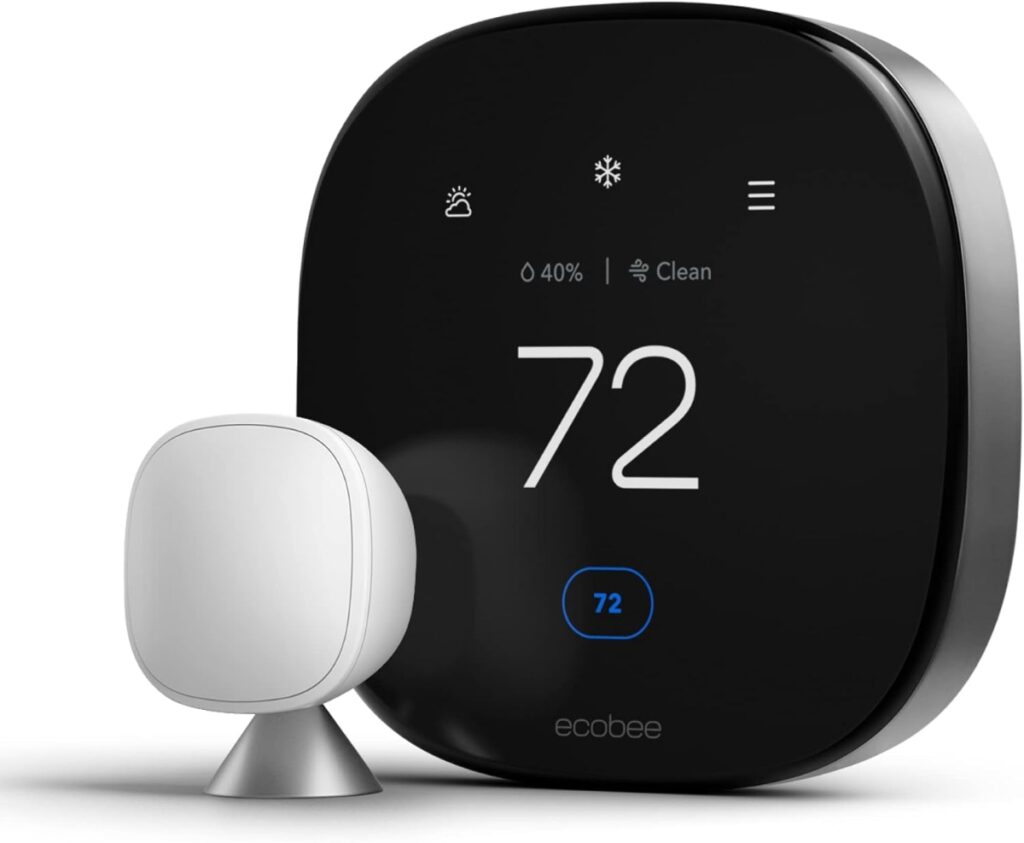
With its eco+ smart features, the Ecobee Smart Thermostat Premium stands out as a top energy saver. This Energy Star-certified device learns your schedule and adjusts temperatures automatically to reduce unnecessary heating and cooling.
What I love about the Premium model is that it includes room sensors, which detect occupancy and temperature in different areas of your home. This means you’re not wasting energy heating empty rooms. You can save about 26% on annual energy costs compared to a traditional thermostat.
The more affordable Ecobee Essential still offers great energy-saving features without the premium price tag. Both models work with voice assistants like Alexa and Google Assistant, making temperature adjustments hands-free and convenient.
Installation is straightforward, taking 30-45 minutes even if you’re not handy. The intuitive app lets you track energy usage and identify opportunities for additional savings.
Google Nest Learning Thermostat
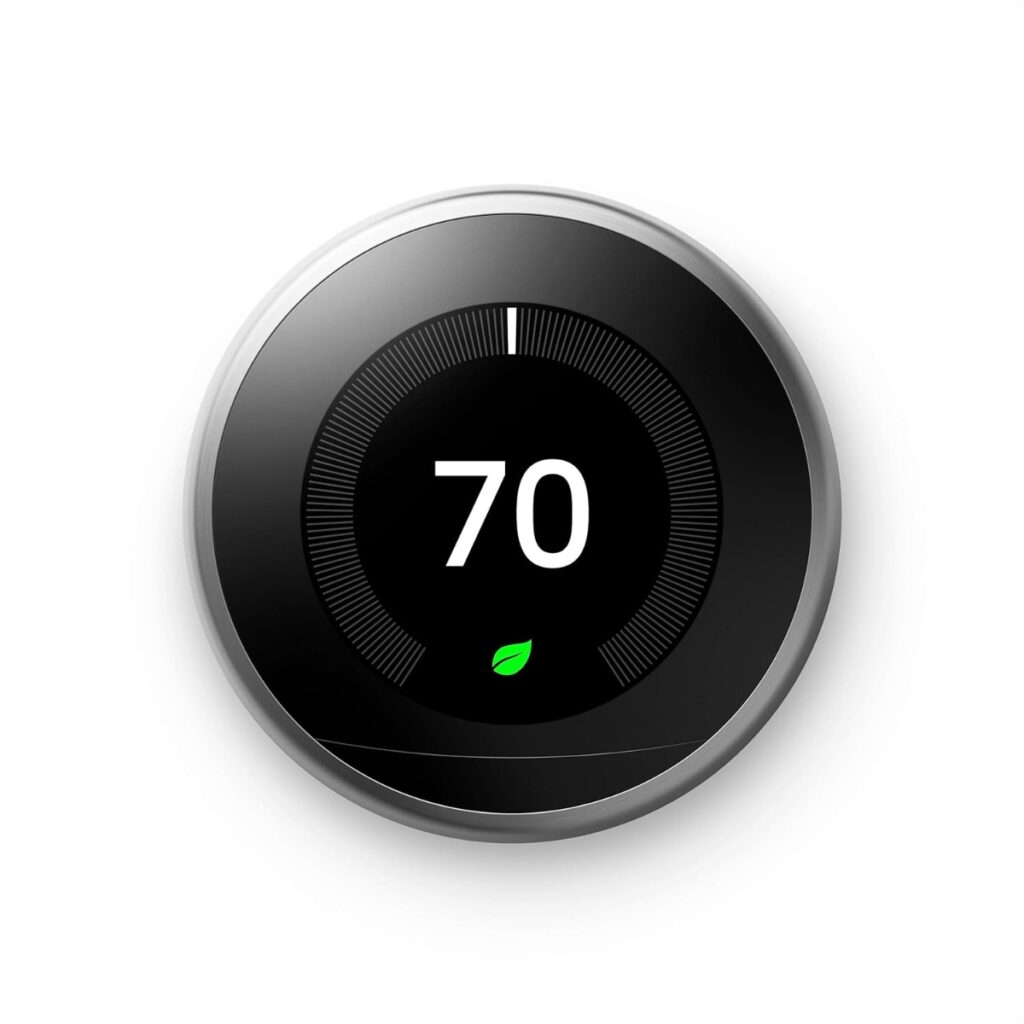
The Google Nest Learning Thermostat (currently in its 4th generation) pays for itself through energy savings. After a week of use, it learns your preferences and automatically creates a schedule that balances comfort with efficiency.
One of my favorite features is the “Leaf” icon when setting an energy-efficient temperature. This small visual cue helps change behavior over time. The Auto-Away feature detects when no one’s home and adjusts settings accordingly.
The Nest’s sleek design includes a color display that shows the temperature, weather, or time. While priced at around $249, Google claims it saves users 10-12% on heating and 15% on cooling costs annually.
Compatible with most HVAC systems, the Nest installation takes about 30 minutes. The thermostat connects to Wi-Fi for remote control through your smartphone, allowing you to adjust temperatures even when you’re away from home.
Honeywell Home Models

Honeywell offers reliable, budget-friendly smart thermostats that still deliver significant energy savings. The Honeywell RTH6580WF Wi-Fi Thermostat provides excellent value at around $80-100, making it perfect if you want smart features without breaking the bank.
What makes Honeywell models stand out is their compatibility with older HVAC systems. If your home was built before 2000, these thermostats often work without requiring additional wiring or adapters.
The Honeywell T9 includes smart room sensors similar to Ecobee’s, which focus energy where people are in the home. With proper programming, you can expect to save 10-15% on your heating and cooling bills.
Honeywell’s app interface isn’t as flashy as competitors’. Still, it offers practical features like maintenance reminders and filter change alerts that extend the life of your HVAC system, saving you even more money in the long term.
Amazon Smart Thermostat
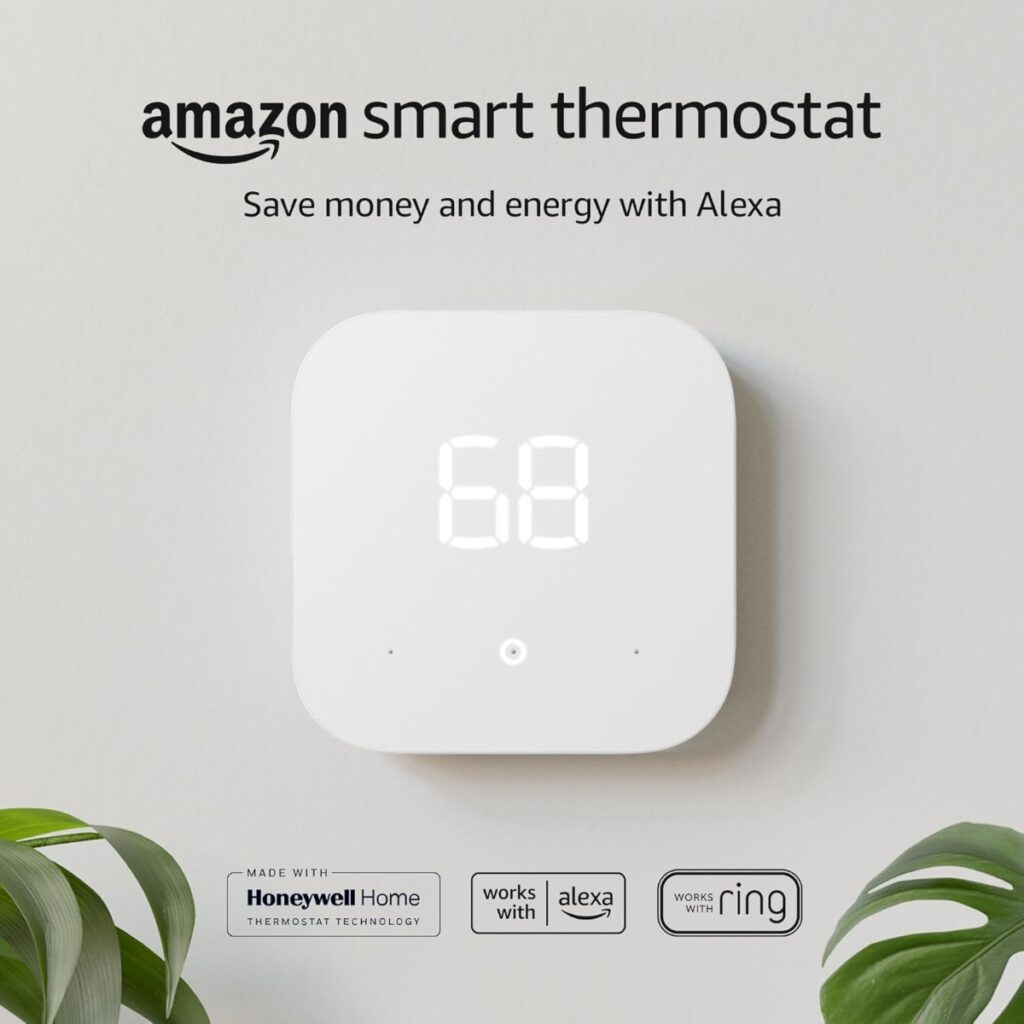
At just $80, the Amazon Smart Thermostat is an incredible value that doesn’t sacrifice quality or energy-saving potential. Developed in partnership with Resideo (Honeywell Home’s parent company), it combines affordability with proven technology.
The thermostat works seamlessly with Alexa for voice control, though you’ll need a compatible Echo device. What impressed me most was how it uses Alexa’s Hunches feature – if Alexa thinks you’ve left home or gone to bed, it can automatically adjust the temperature.
While it lacks built-in motion sensors, the Amazon Smart Thermostat uses your phone’s location to determine occupancy. Setup is simple through the Alexa app, which provides energy usage reports to help you track savings.
According to Amazon, this Energy Star-certified device can save about $50 per year on energy bills. Its clean, minimalist design fits well in most homes, though you’ll need a C-wire for installation (an adapter is included if you don’t have one).
Maximizing Savings with Smart Features
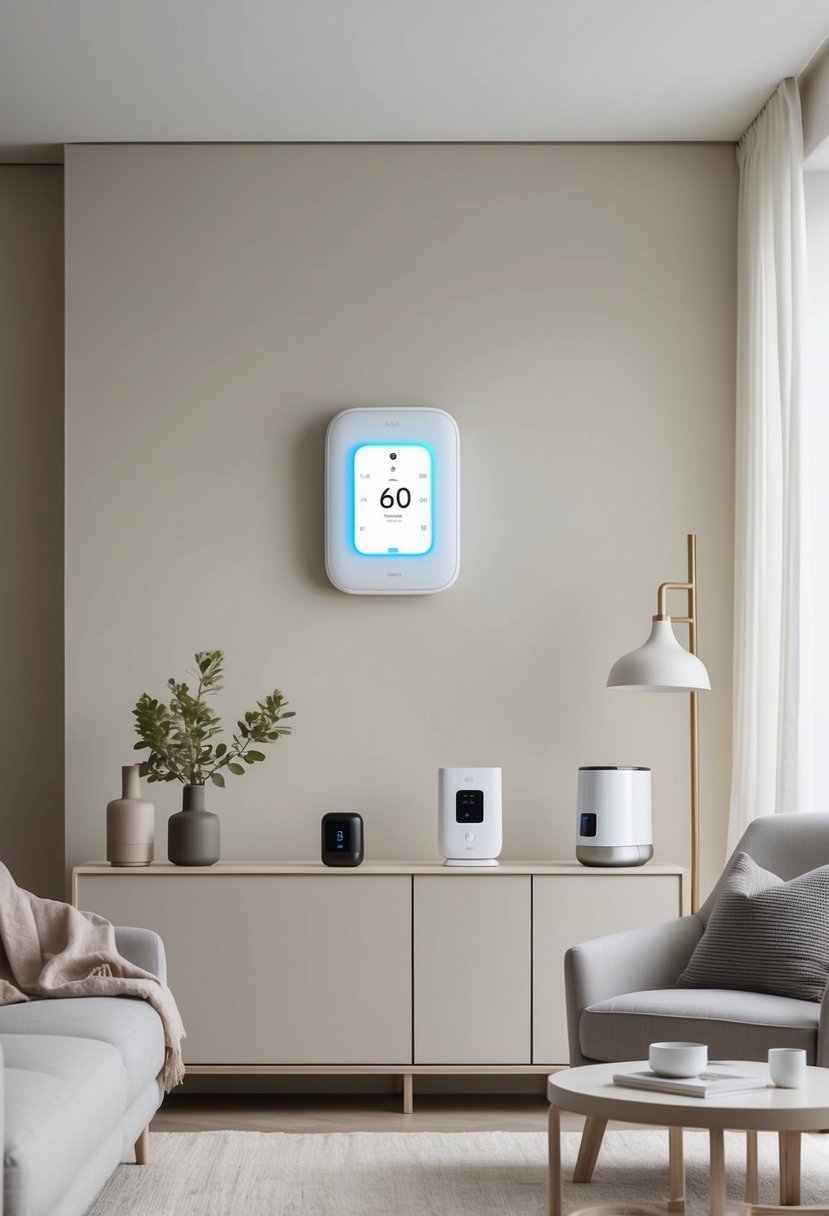
Smart thermostats offer more than just remote temperature control. The real money-saving power comes from their intelligent features that adapt to your lifestyle while reducing energy consumption without sacrificing comfort.
Learning Your Schedule and Habits

Smart thermostats shine by learning when you’re home and away. They track your patterns and automatically adjust temperatures to save energy when you don’t need heating or cooling.
The Ecobee Premium, for example, uses occupancy sensors to detect when rooms are empty. After about two weeks of use, it builds a custom schedule based on your routine. You don’t have to program anything manually!
Many smart thermostats also offer geofencing. This feature uses your smartphone’s location to determine when you’re heading home or leaving. The system can then start adjusting temperatures before you arrive, ensuring comfort without wasting energy while you’re gone.
Users typically save 10-15% on heating and cooling costs with these learning features. That translates to about $100-$200 annually for the average household.
Remote Sensors and Air Quality Monitoring
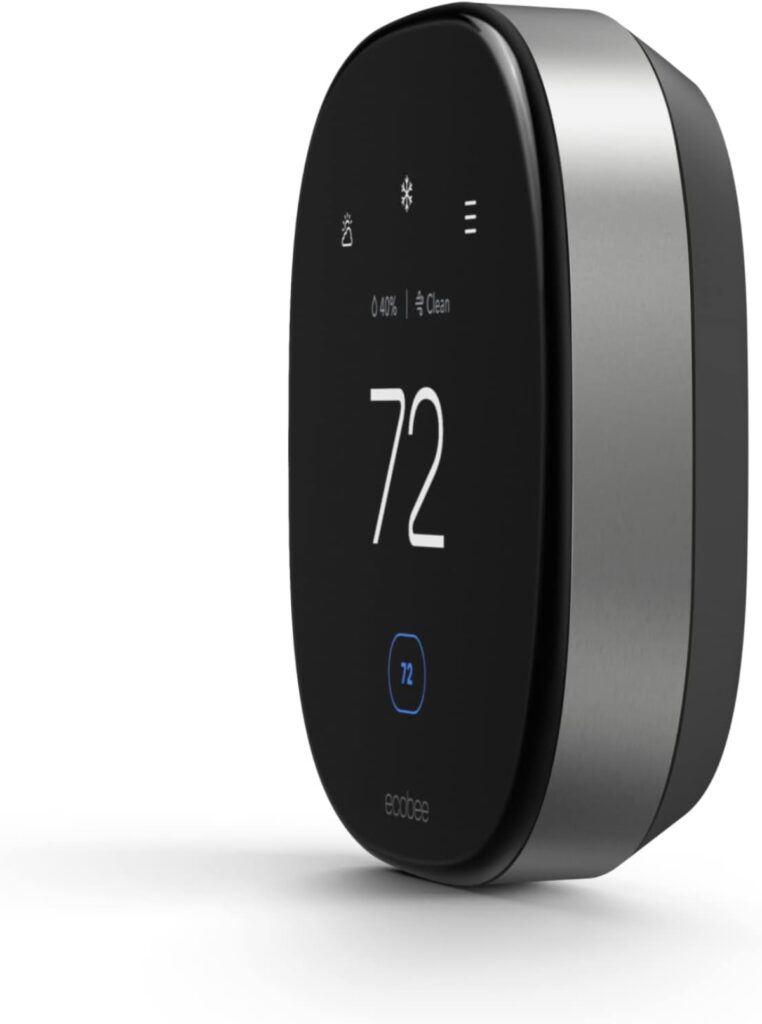
Remote sensors are game-changers for energy efficiency. Instead of heating or cooling based on a single location, these sensors provide temperature readings from multiple rooms.
Place sensors in bedrooms, living areas, or your home office to ensure comfort where you spend time. This prevents wasting energy heating empty rooms or overcooling spaces nobody’s using.
Some advanced models, like the Ecobee, include air quality monitoring. These features alert you when indoor air quality drops, allowing you to ventilate efficiently rather than running systems unnecessarily.
Remote sensors can help eliminate hot and cold spots in your home. They ensure you’re comfortable where you are, not just where your thermostat happens to be mounted.
Utilizing Eco-Friendly Settings
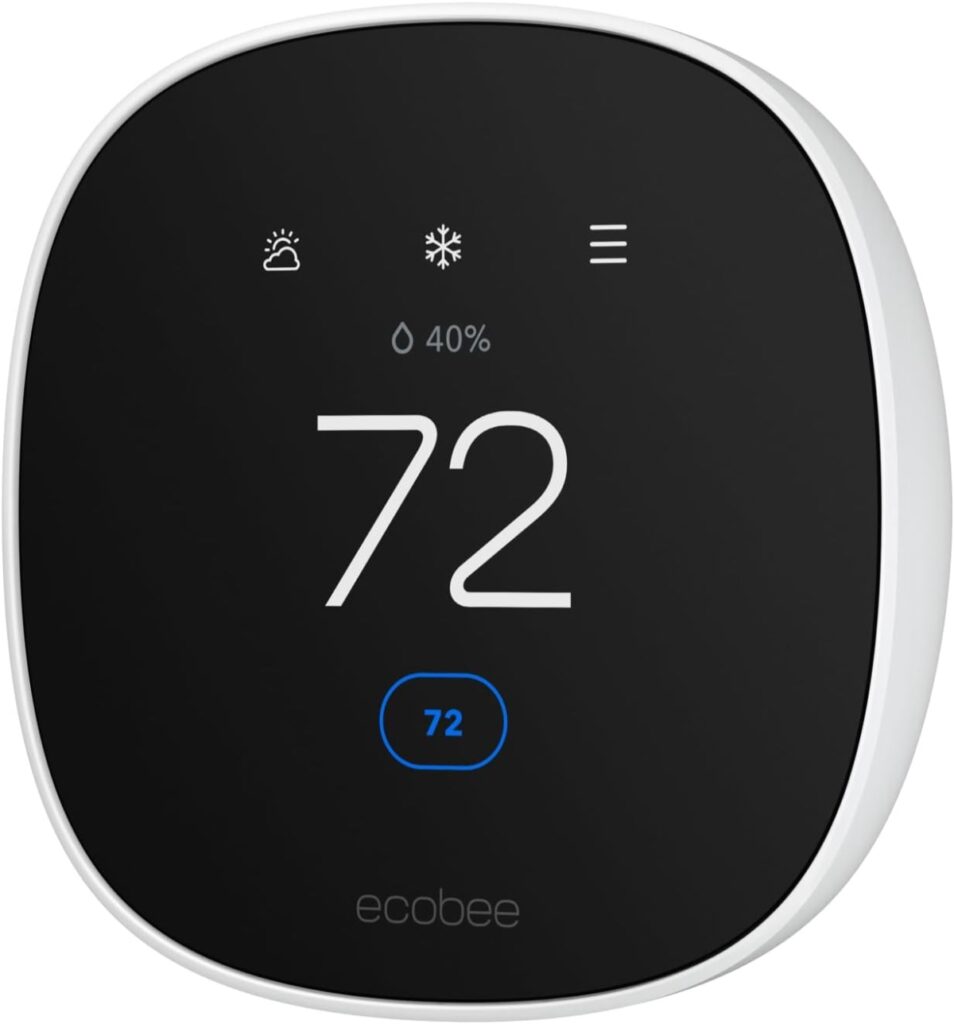
Most smart thermostats come with special eco-friendly modes explicitly designed to maximize savings. These settings find the perfect balance between comfort and energy efficiency.
These settings help you find the perfect balance between comfort and energy efficiency.
For instance, the “eco+” feature on Ecobee thermostats makes tiny temperature adjustments based on humidity levels. Since humid air feels warmer, your system might cool slightly less on humid days without you noticing any difference in comfort.
For instance, the “eco+” feature on Ecobee thermostats makes tiny temperature adjustments based on humidity levels. Since humid air feels warmer, your system might cool slightly less on humid days without you noticing any difference in comfort.
Time-of-use optimization is another powerful feature. Your thermostat can adjust usage to avoid peak electricity rates if your utility charges different amounts throughout the day.
Look for thermostats offering usage reports that show exactly how much energy you’re saving. These reports help you fine-tune settings for even greater efficiency.
Many users report saving an additional 5-10% just by enabling these eco-friendly features, on top of the savings from standard programming.
Smart Integration and Voice Control

Today’s smart thermostats offer seamless integration with various home systems and voice assistants, making temperature control more convenient while helping you save money. These features let you adjust settings without lifting a finger and connect with other smart devices for better efficiency.
Using Voice Assistants for Convenience

Voice assistants like Alexa and Google Assistant have transformed how we interact with smart thermostats. Instead of manually adjusting settings, say, “Alexa, set the temperature to 72 degrees” or “Hey Google, lower the temperature by 2 degrees.”
This hands-free control is handy when cooking, carrying groceries, or tucked in bed. Many premium models like the Ecobee Smart Thermostat Premium even have built-in voice assistants, eliminating the need for separate devices.
Voice commands also help you create money-saving routines. You can say, “Alexa, set energy-saving mode” to quickly adjust to pre-programmed efficient settings when leaving home or going to sleep.
Popular Voice Command Examples:
- “Set temperature to 68 degrees.”
- “What’s the current temperature?”
- “Turn on eco mode.”
- “Set a temperature schedule for weekday.s”
Connecting with Home Security Systems

Linking your smart thermostat with your home security system creates a powerful money-saving combination. When security systems detect that nobody is home through occupancy sensors or when you arm the “away” mode, they can automatically trigger your thermostat to switch to energy-saving settings.
This integration prevents wasting energy heating or cooling an empty house. Some systems can even recognize when you’re approaching home and adjust the temperature to your preferred comfort level before arriving.
Security and door sensors work with smart thermostats to create more intelligent climate zones. For example, if sensors detect activity only in certain rooms, your system can focus on heating or cooling them while keeping unused areas at energy-saving temperatures.
Many home security providers now offer bundled packages with compatible smart thermostats, which offer enhanced security and energy efficiency for less than purchasing components separately.
Support and Maintenance
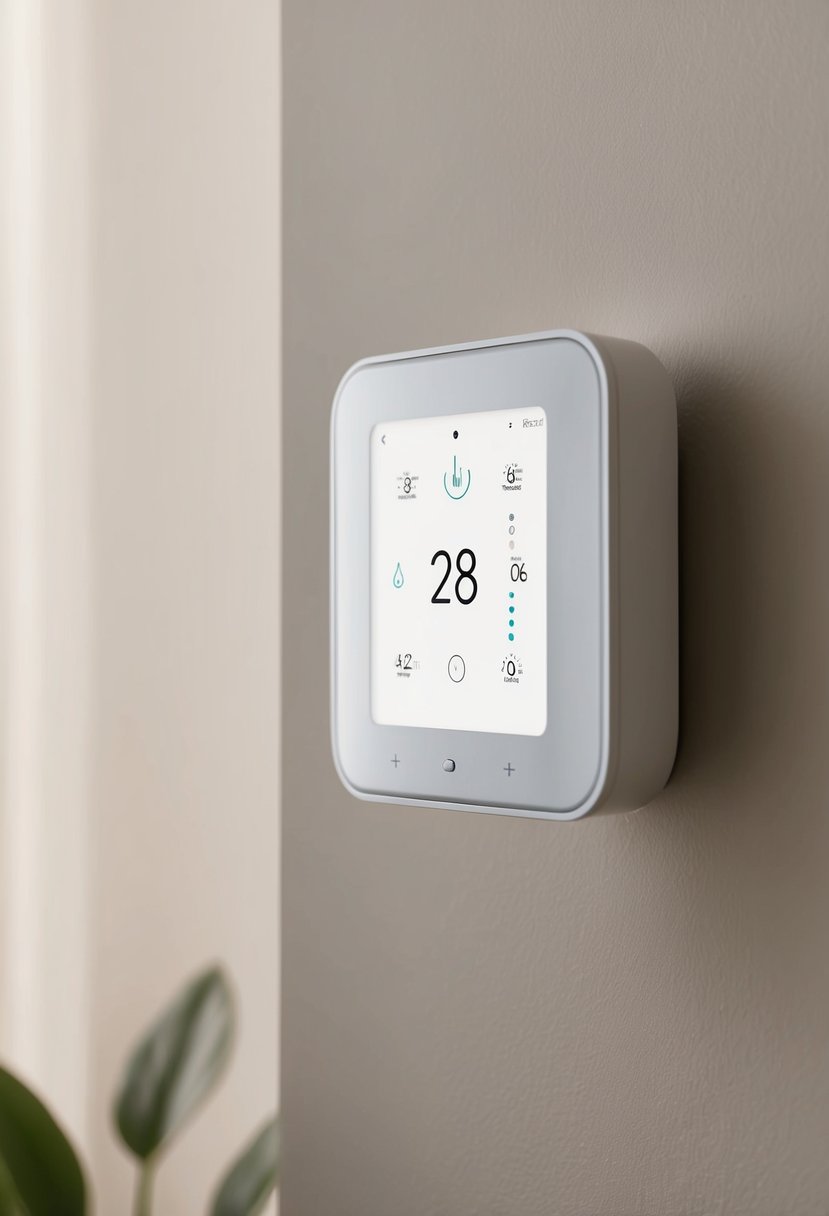
Proper support and regular maintenance are essential for keeping your smart thermostat running smoothly. Good customer service and access to qualified professionals can also make a big difference in your long-term energy savings.
Finding Reliable HVAC Professionals

Smart thermostats work best when properly installed and integrated with your heating and cooling system. Look for HVAC professionals who mention experience with smart thermostats like Ecobee or Nest on their websites or service listings.
Ask potential technicians if they’ve completed manufacturer certifications for the specific model you own or plan to buy. Many manufacturers offer professional certification programs that ensure technicians understand the nuances of their products.
Pro tip: Check if your smart thermostat purchase includes professional installation credits or discounts. Some ENERGY STAR-certified models partner with local technicians to offer reduced-cost setup.
Don’t just choose the cheapest option. A proper installation prevents future problems and ensures you get all the energy-saving benefits. Ask for references or read reviews specifically mentioning smart thermostat installations.
Accessing Customer Support and Mobile Installation Guides

Most major smart thermostat brands offer multiple support channels to help you troubleshoot problems. Customer service options typically include:
- Phone support with live technicians
- Email ticketing systems
- Live chat on the company website
- Active community forums
- Detailed FAQ sections
Mobile installation guides have become increasingly user-friendly. The Ecobee app, for example, walks you through installation with clear visuals and step-by-step instructions.
What to look for in support packages:
- 24/7 availability for emergencies
- Warranty length and what it covers
- Software update policies
- Replacement procedures
Save the customer support contact information in your phone. You’ll want quick access if your thermostat malfunctions during extreme weather when you need heating or cooling most.
See Related: Is It Smart to Be Frugal? Money-Saving Habits That Transformed My Finances
Cost vs. Savings Analysis
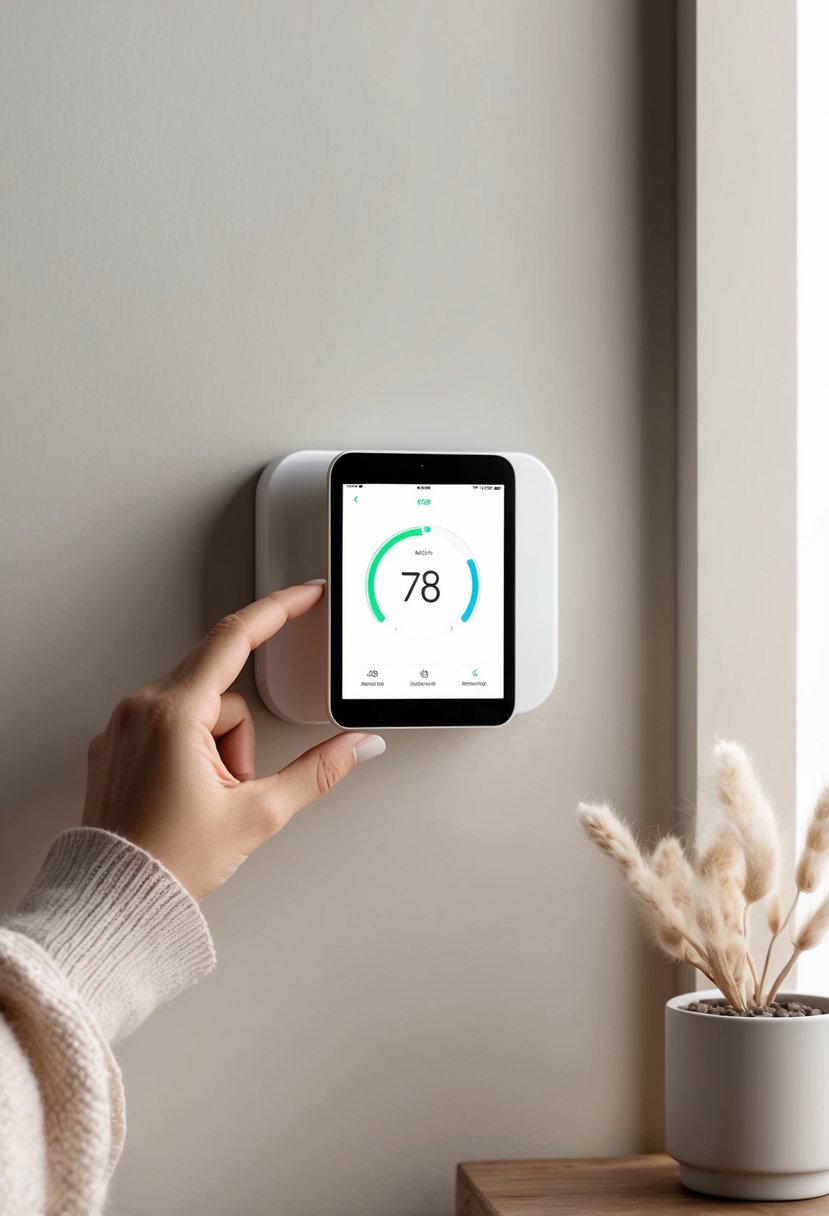
Understanding the financial impact of a smart thermostat requires looking at both what you pay upfront and what you save over time. Most homeowners find that their devices pay for themselves through energy bill reductions.
Assessing Upfront Costs

Smart thermostats typically cost between $100 and $300, with popular models like Nest and Ecobee in the $170-$250 range. This price is significantly higher than that of basic programmable thermostats ($25-$50).
What affects the price? Features like:
- Voice control compatibility
- Advanced learning algorithms
- Multiple zone control
- Remote sensors
- Touchscreen quality
Budget tip: Look for utility company rebates! Many energy providers offer $50-$100 rebates when you purchase qualifying smart thermostats. Some even provide free installation.
Don’t forget potential installation costs. While many homeowners can handle the DIY installation, professional installation typically runs $100-$200 if your wiring situation is complex.
Calculating Annual and Long-Term Savings

Smart thermostats save you money by optimizing when your heating and cooling systems run. According to Consumer Reports and Energy Star data, most homeowners see savings of:
- Heating: 8-12% reduction
- Cooling: 15% reduction
- Overall: About 10-15% off your HVAC energy bills
The average household spending $1,500 annually on heating and cooling translates to $150-$225 in yearly savings.
Your actual savings depend on:
- Local climate (temperate climates see smaller savings)
- Size of your home
- Your previous thermostat habits
- Local energy rates
Smart thermostats also extend HVAC system lifespan by reducing unnecessary runtime, potentially saving hundreds in maintenance costs.
When a Smart Thermostat Pays for Itself
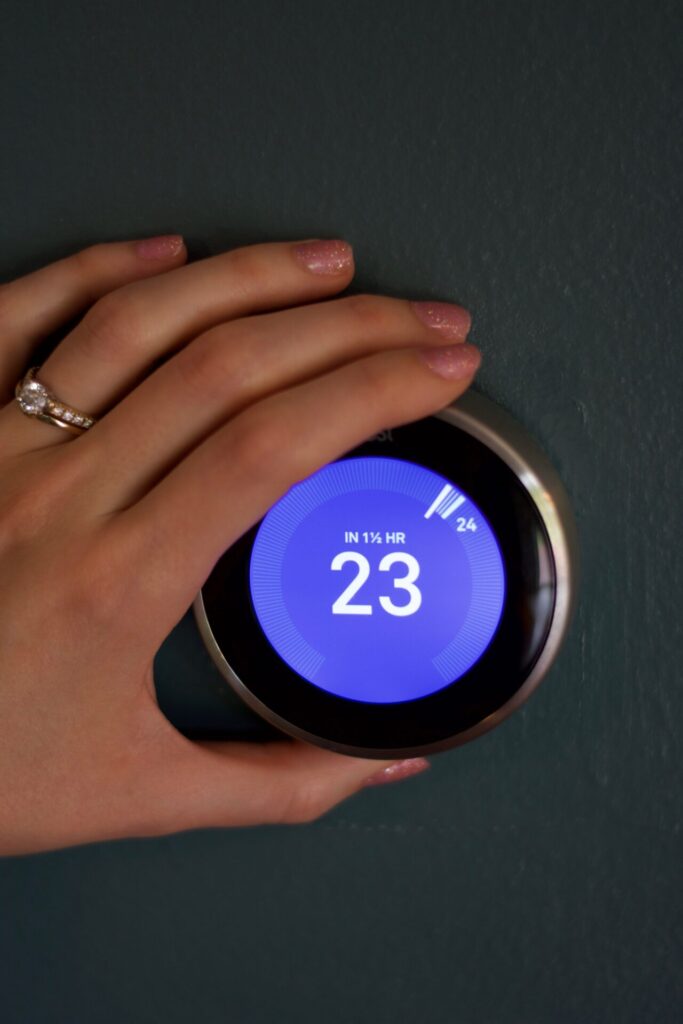
Most smart thermostats reach their payback period within 1-2 years. Let’s break down a typical scenario:
Example Calculation:
- Thermostat cost: $200
- Utility rebate: -$75
- Net cost: $125
- Annual energy savings: $180
- Payback period: 8-9 months
Your payback will be faster in colder or hotter regions where HVAC systems run more frequently. Those in mild climates might wait closer to 2 years to recoup costs.
For maximum savings, take advantage of:
- Scheduling features: Set temperatures lower when you’re away or sleeping
- Geofencing: Let your thermostat detect when you’re not home
- Usage reports: Review and adjust based on your energy consumption patterns
Smart Thermostats and the Bigger Picture of Smart Living
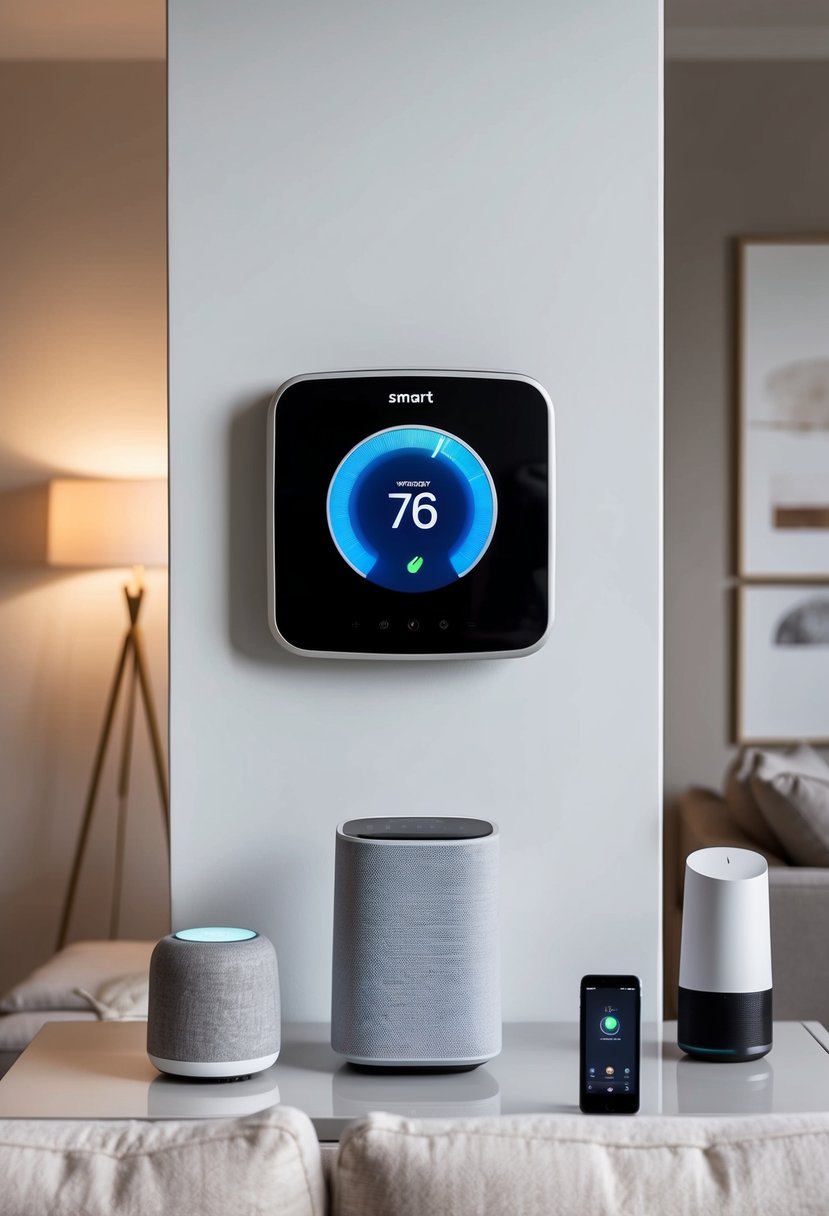
Smart thermostats do more than just control your home’s temperature—they represent a gateway to an interconnected, energy-efficient lifestyle that benefits your wallet and the planet.
How Smart Thermostats Fit into the Smart Home Ecosystem

Smart thermostats work best when part of a larger connected home system. When paired with other smart devices like lights, security cameras, and voice assistants, they create a seamless experience that maximizes efficiency and convenience.
For example, you can create routines where your thermostat automatically adjusts when your smart lock detects you’ve left home. Or have your voice assistant tell your thermostat to lower the temperature when heading to bed.
Popular models like the Ecobee Premium integrate with major platforms, including:
- Amazon Alexa
- Google Home
- Apple HomeKit
- Samsung SmartThings
This connectivity allows you to control your home’s climate from anywhere using your smartphone or through voice commands.
Beyond Savings: The Impact on Lifestyle and the Environment

While saving money is a huge benefit, smart thermostats contribute to a more sustainable future. By optimizing your heating and cooling usage, you’re directly reducing your carbon footprint.
Most smart thermostats provide reports showing how much energy you save monthly. These insights help you make even better decisions about your home’s efficiency.
The environmental impact adds up quickly. Reducing greenhouse gas emissions is significant when millions of homes use less energy for heating and cooling.
Smart thermostats also improve daily comfort. They learn your preferences and create temperature schedules that match your lifestyle—warmer when you’re home, cooler when you’re away or sleeping.
Some models even include sensors that detect which rooms are occupied, focusing climate control where needed rather than wasting energy throughout the house.
See Related: Is Frugal Positive or Negative: Life-Changing Benefits of Smart Spending
Frequently Asked Questions
Smart thermostats offer impressive energy-saving benefits with convenient features that adapt to your lifestyle. Most models can help reduce utility costs while maintaining your comfort level through intelligent scheduling and remote adjustments.
How can smart thermostats help lower my energy bills?
Smart thermostats reduce energy usage by automatically adjusting your home’s temperature when you’re away or sleeping. They eliminate the waste that happens with manual thermostats when you forget to change settings.
According to ENERGY STAR, certified smart thermostats must demonstrate real annual savings based on actual installations in homes across the United States. These savings typically come from preventing unnecessary heating or cooling.
Many users report 10-15% savings on heating and cooling costs after installing a smart thermostat. That could mean $100-$200 back in your pocket each year depending on your climate and energy rates.
What are the most cost-effective smart thermostats on the market today?
The Ecobee Smart Thermostat Premium stands out as a top value option. While it has a higher initial cost, it maintains more consistent temperatures than competitors, potentially leading to greater long-term savings.
Budget-friendly alternatives include the Amazon Smart and Nest Thermostat E, offering core energy-saving features without premium pricing. These models typically pay for themselves within 1-2 years through utility savings.
When considering cost-effectiveness, look beyond the purchase price to installation requirements. Some units need professional installation, while others are designed for DIY setup, saving you $100-$200 in service fees.
Can smart thermostats learn my habits and adjust for maximum savings?
Most modern smart thermostats use AI learning capabilities to understand your patterns. After about a week of manual adjustments, they begin recognizing when you leave home, return, or go to sleep.
The learning algorithms become more accurate over time. A quality smart thermostat might notice you typically leave by 8 AM on weekdays and automatically lower the heat until your usual 5:30 PM return.
Some advanced models even incorporate geofencing through your smartphone. This technology detects when you’re approaching home and adjusts the temperature accordingly, maximizing comfort and savings.
What features should I look for in a smart thermostat to ensure it helps with energy savings?
Look for programmable schedules that let you set different temperatures for various times of day. The more flexible the scheduling, the better you can match your lifestyle.
Remote access via smartphone apps is essential. Adjusting your thermostat when plans change unexpectedly prevents wasting energy on an empty house.
Energy usage reports help track consumption patterns and identify opportunities for additional savings. The best models provide detailed insights about when and how you use energy.
Compatibility with your HVAC system is critical. Before purchasing, check that the thermostat works with your heating and cooling equipment to avoid disappointing installation issues.
Are there any smart thermostats that work particularly well for small apartments?
Smaller spaces need simpler smart thermostats with basic programming capabilities. The Nest Thermostat E or Amazon Smart Thermostat provides excellent functionality without unnecessary features that drive up costs.
Installation considerations are important in apartments. Look for models that don’t require a C-wire, as many apartment HVAC systems lack this connection. Battery-powered options provide flexibility for renters.
Consider thermostats with strong temperature sensors. A single degree difference can be more noticeable in small spaces, so precision matters more than in larger homes with multiple zones.
How do the top-rated smart thermostats compare in terms of long-term savings?
User reports usually find that the Ecobee models deliver the highest consistent savings. Their room sensors help eliminate hot and cold spots, reducing the need to overcompensate with temperature settings.
Nest thermostats leverage Google’s learning algorithms to optimize energy use. They have a history of quickly learning routines and adjusting without much manual intervention.
Many users don’t realize that behavior matters more than brand. The Reddit search result correctly notes that finding a comfortable temperature and consistently maintaining it often saves more than frequent adjustments.
Pair any smart thermostat with complementary energy-saving habits like ceiling fans and proper insulation for maximum savings. The thermostat is just one piece of your overall energy efficiency strategy.
Leave a Reply