
Thrift store shopping transformed my approach to personal finance. I used to spend hundreds on new clothes each month, but discovering thrift shopping cut my clothing budget by 80% while improving the quality of my wardrobe.
Many people walk into thrift stores feeling overwhelmed by the seemingly chaotic racks and shelves. Still, with the right strategy, you can find incredible treasures at a fraction of retail prices.

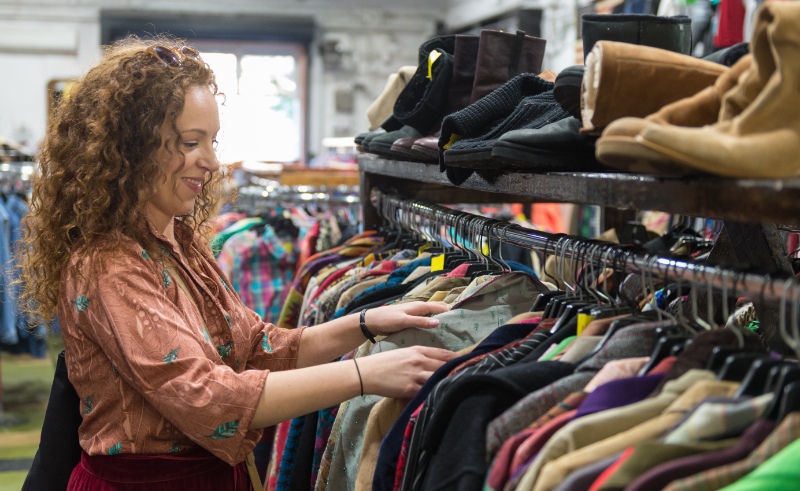
The key to successful thrift shopping is consistency and assessing quality. When you quickly distinguish valuable items from junk, shopping becomes more efficient and rewarding. Through thrifting, I’ve furnished most of my home and built a professional wardrobe, saving thousands while discovering unique pieces that express my style better than mass-produced items ever could.
You don’t need to be a vintage expert to benefit from thrift store shopping. By tackling the store section by section, feeling fabrics to gauge quality, and keeping an open mind about potential finds, you’ll develop an eye for hidden gems. The thrill of the hunt becomes addictive when you bring home designer pieces for pennies on the dollar!
Preparation for Thrifting

Getting ready for a successful thrift store adventure requires some planning and knowledge. The proper preparation can help you find fantastic deals and avoid wasting time.
Understanding Thrift Store Offerings

Most thrift stores organize items by category rather than brand or style. You’ll find sections for women’s, men’s, and children’s clothing, plus housewares, furniture, and electronics.
The inventory changes daily, so every visit offers something new. Many stores receive weekly donations and put them out gradually, meaning weekday mornings often have fresh items.
Thrift stores vary in quality and pricing. Some focus on vintage items or designer brands, while others offer everyday basics at rock-bottom prices. Research local stores online to learn their specialties before visiting.
Don’t overlook specialty sections! Many thrift stores have areas for books, jewelry, shoes, and seasonal items. These sections often contain hidden treasures that fewer shoppers explore.
How to Spot Quality Fabric and Clothing

When examining thrift store clothes, feel the fabric between your fingers. Quality materials feel substantial, not thin or flimsy. Natural fabrics like cotton, wool, and silk typically last longer than synthetic blends.
Check seams carefully for straight, tight stitching. Loose threads or uneven seams suggest poor construction that won’t hold up over time.
Quick Quality Checklist:
- Examine buttons and zippers to ensure they work properly
- Hold items up to light to spot hidden stains or holes
- Check underarms and collar areas for excessive wear
- Look at the original brand tag for higher-quality items
Fabric pilling (those little balls that form on sweaters) indicates lower quality or heavy wear. Run your hand over knit items to feel for this texture.
Planning Your Thrift Store Visits

Mid-week mornings are often the best time to thrift shop. Stores are less crowded, and staff have had time to restock after weekend shoppers.
Dress comfortably in fitted clothes like leggings or a tank top. If changing rooms are unavailable or have long lines, trying items over your clothing is easier.
Bring these essentials for a successful thrift trip:
- A tape measure for checking furniture dimensions
- Hand sanitizer (you’ll touch many items)
- A list of measurements for yourself or your home
- Reusable shopping bags
- A smartphone to look up brand values or item prices
Set a budget before you go. Thrift stores make it easy to overspend because individual items seem inexpensive. I limit myself to $50 per trip to avoid impulse purchases that add up quickly.
Strategies for Successful Thrift Shopping

Finding treasures at thrift stores isn’t just about luck but strategy and timing. The right approach can transform your thrifting experience from frustrating to fruitful.
Navigating Sale Days for the Best Deals

Most thrift stores run weekly specials with specific discounts on different days. Goodwill offers 50% off select tag colors, while Salvation Army typically has half-price Wednesdays. Check your local stores’ social media pages or call ahead to learn their discount schedule.
Holiday weekends bring even bigger savings, with many shops offering 20-30% storewide discounts. Early morning shopping on sale days gives you first pick of freshly discounted items before crowds arrive.
Pro tip: Create a calendar reminder for your favorite stores’ discount days. I’ve saved over $200 a month by shopping exclusively during these sales!
Monthly deals to watch for:
- First Saturday: Many stores offer student/senior discounts
- End of the month: Clearance sales to make room for new inventory
- Seasonal transitions: Major markdowns on out-of-season items
The Art of Finding Hidden Gems

Hidden gems often lurk in overlooked sections. While everyone flocks to brand-name clothing racks, you might find vintage treasures in housewares or unique accessories in corner displays.
Always check inside books, boxes, and bags. I found an authentic silver necklace inside a tarnished jewelry box priced at just $3! Examine items thoroughly—sometimes valuable pieces are mistakenly marked with low prices.
Be willing to explore beyond your initial shopping list. Some of my best finds came from spontaneous browsing in sections I usually skip.
Quick inspection checklist:
- Check for quality materials (solid wood, genuine leather, heavy metals)
- Examine seams and fasteners on clothing
- Test electronics when possible
- Look up unfamiliar brand names on your phone
Thrifting With Patience and Persistence

Successful thrifting requires regular visits. The inventory rotates constantly—what’s not there today might appear tomorrow. Most stores receive new donations daily and restock shelves throughout the week.
Develop relationships with store staff. They might inform you about incoming items that match your interests or hold things aside for you. A friendly “hello” and genuine conversation can go a long way.
Don’t get discouraged by empty-handed trips. The thrill of thrifting comes from the hunt!
Visit different locations to increase your chances of finding great items. Thrift stores in wealthy neighborhoods often have higher-quality donations, while small-town shops might offer lower prices.
Remember: patience pays off. My favorite vintage leather jacket appeared after visiting the same store weekly for three months!
Thrifting for Clothing

Finding quality clothing at thrift stores can save money while helping you create a unique wardrobe. Knowing how to navigate dressing rooms, check for quality issues, and assemble stylish outfits will make your thrifting adventures more successful.
Trying On Clothes in Thrift Store Dressing Rooms

Always try things on before buying them! Thrift stores often have inconsistent sizing because they carry many different brands and eras of clothing. What’s labeled as a size eight might fit like a four or a 12, depending on when it was made.
Most thrift stores limit the number of items you can bring into dressing rooms, so prioritize pieces you’re unsure about. Wear a fitted tank top and leggings on shopping days to make trying things easier and faster.
Don’t skip the dressing room even if you’re in a hurry. That $4 shirt isn’t a bargain if it sits unworn in your closet because the fit is odd. Take photos of yourself in potential purchases to help decide—sometimes seeing yourself in a picture offers a better perspective.
Inspecting for Quality and Wear

Always check seams, zippers, and buttons before purchasing. Hold items up to the light to spot thin spots, stains, or holes that might not be obvious at first glance.
Look at high-friction areas like underarms, cuffs, and hems for signs of wear. Check for odors that might be difficult to remove—some perfumes and smoke can permanently lodge in fabric fibers.
Pay attention to fabric content on labels. Natural fibers like cotton, wool, silk, and linen often hold up better and are worth more than synthetic blends. They’re also easier to repair and alter if needed.
Don’t be afraid to pass on items with fixable issues if you have basic sewing skills. A missing button or loose hem can be an easy fix that makes a quality piece affordable.
Mixing and Matching Outfits on a Budget

Think in terms of versatile pieces rather than complete outfits. A quality blazer can dress up jeans or work with a skirt for more formal occasions. Look for timeless basics in neutral colors to anchor your wardrobe: well-fitting jeans, simple T-shirts, and classic button-downs never go out of style.
Create a “tried and true” color palette that matches your skin tone. This makes mixing and matching pieces easier when shopping and getting dressed.
Don’t overlook accessories! Scarves, belts, and jewelry can transform simple outfits and are usually affordable at thrift stores. I once found a genuine silk Hermès scarf for $3 that completely elevates my plain white shirts.
Consider keeping a small measuring tape in your purse to check inseams or waistbands when dressing rooms are unavailable. This trick has saved me from many ill-fitting purchases!
See Related: Is Frugal Positive or Negative: Life-Changing Benefits of Smart Spending
Thrifting for Home Decor

Transforming your living space with thrifted treasures can add character and style without emptying your wallet. Thrift stores are goldmines for one-of-a-kind home décor items that tell stories and create unique spaces.
Selecting Unique Pieces for Your Home

When thrifting for home décor, always consider your style first. Ask yourself if an item matches your existing aesthetic or if it could become a standout conversation piece.
Look for items that have personality and history. Vintage frames, quirky lamps, and handcrafted ceramics often make the best finds. These pieces add character that mass-produced items simply can’t match.
Statement pieces deserve special attention. A large mirror, a distinctive bookshelf, or an unusual coffee table can become the focal point of a room.
These bigger items often offer the most value for your thrifting dollar. Don’t overlook seasonal décor! Holiday items are frequently donated after just one use and can be found at excellent prices.
Pro tip: Bring paint swatches or fabric samples from your home to help match colors while shopping.
Assessing the Condition and Potential of Decor Items

Always inspect items thoroughly before purchasing. Check for:
- Structural damage (wobbling, cracks, broken parts)
- Odors that might be difficult to remove
- Stains, especially on upholstered items
- Missing pieces or parts
Look underneath furniture to check frames for stability. Pull out drawers to ensure they slide properly—test lamps by asking if you can plug them in.
Consider an item’s potential, not just its current state. A coat of paint can transform an old picture frame, and new hardware might revitalize dated furniture. Sometimes, minor repairs stand between a castoff and a showpiece.
Bring a measuring tape! Nothing’s worse than finding the perfect piece only to discover it won’t fit in your space.
Integrating Thrift Finds into Your Existing Decor

Start by incorporating thrifted accessories like vases, artwork, or throw pillows. These lower-commitment pieces help you develop your thrifting eye.
Create cohesion through color. When painted the same shade, a mismatched set of frames can become a gallery wall. Different ceramic pieces feel like a collection when they share a color palette.
Don’t be afraid to mix old and new. Vintage items paired with contemporary pieces create depth and visual interest in your space.
Rethink an item’s purpose! An old ladder becomes a blanket rack—vintage suitcases stack to create a unique side table. A beautiful bowl might work better as a planter than a serving dish.
Remember that less is more. Curate your finds carefully to avoid a cluttered look. Quality thrifted pieces deserve space to shine.
See Related: Is It Smart to Be Frugal? Money-Saving Habits That Transformed My Finances
Understanding Thrift Store Policies

Each thrift store operates differently in terms of policies and promotions. Knowing the specific rules of your favorite stores can save you money and prevent frustration during your thrifting adventures.
Familiarizing Yourself with Store Return Policies

Most thrift stores have strict return policies that differ from regular retail shops. Some offer no returns, while others might allow exchanges with a receipt within 7-14 days. Always ask about the return policy before purchasing, especially for electronics or furniture.
Don’t assume all thrift stores follow the same rules. For example, Goodwill often provides store credit rather than cash refunds, while Salvation Army stores typically have a 7-day return window with receipt.
I once bought a toaster that didn’t work, and I couldn’t return it because I hadn’t tested it in-store. Many thrift shops provide testing stations for electronics, so make sure to use them!
Please take photos of valuable items before purchase to document their condition. This can help if there’s any question about damage later.
Taking Advantage of Special Discounts and Sale Days

Most thrift stores offer special discount days that save you 25-50% off low prices. Many use color-coded tag systems where certain colored tags are discounted on specific days.
Common Discount Patterns:
- Monday: Senior discounts (typically 10-25% off)
- Wednesday: Military or student discounts
- Sunday: Family discount day, or all tags 50% off
Shop mid-week for better selection and fewer crowds. Tuesday and Wednesday often have fresh inventory after weekend donations.
Join email lists or follow your favorite thrift stores on social media. They often announce flash sales or special events there first.
Holiday clearance events can offer incredible deals. Shop right after major holidays when seasonal items are marked down dramatically.
Tips for First-Time Thrifters

Starting your thrifting journey can feel overwhelming, but you’ll score amazing deals with the right approach in no time. These practical tips will help you succeed confidently in your first thrift store visit.
How to Approach Your First Thrifting Experience

Go in with an open mind and a flexible attitude. Unlike retail stores, thrift shops don’t guarantee specific items will be available. Set aside at least 1-2 hours for your visit—rushing through the racks means missing hidden gems.
Wear comfortable clothes that make trying things on easy. I recommend wearing a fitted tank top and leggings under your regular clothes so you can quickly try items over them if dressing rooms are busy.
Make a loose wishlist rather than hunting for specific items. You might want “work shirts” instead of “a blue button-down in size medium.” The golden rule of thrifting is letting treasures find you!
Visit on weekdays when possible. Stores are less crowded, and you’ll have more space to browse. Many thrift stores restock daily, so morning visits often yield the freshest selection.
Decoding Thrift Store Price Tags

Most thrift stores use color-coded tags to manage their inventory rotation. These colored tags often indicate different discount schedules. For example, a store might offer 50% off all blue tags on Mondays.
When you arrive, ask about the weekly discount schedule. Many stores have specific discount days—some offer 25-50% off for seniors, students, or military personnel on certain days.
Look for the store’s pricing structure. Some prices are by category (all jeans $6.99), while others are priced individually. Quality clothing at chain thrift stores like Goodwill typically ranges from $3.99 to $12.99.
Don’t ignore items with minor flaws. A missing button or small stain can lead to bigger discounts, and many issues are easily fixable with basic sewing skills or stain removers.
Building Relationships with Thrift Store Staff
Staff members are your secret weapon in the thrifting world. Be friendly and initiate conversations—they often know when new donations arrive and might hold items for regular customers.
Ask thoughtful questions like “When do you typically put out new inventory?” rather than demanding information. In my experience, being kind to employees has resulted in them pointing me toward fresh merchandise before it hits the floor.
Find out if they have a wishlist system. Many stores will take your name and number to call when specific items you’re looking for come in.
Remember to thank employees who help you. Building these connections transforms you from a casual shopper into a thrifting insider with access to the best finds before anyone else sees them.
Ethical and Sustainable Thrifting

Thrifting goes beyond finding great deals—it’s a way to reduce waste and support charitable causes. When done mindfully, your shopping habits can positively impact the planet and your community.
The Impact of Thrifting on the Environment

Thrifting is one of the simplest ways to reduce your carbon footprint. Every secondhand item you purchase keeps one more thing out of landfills. The fashion industry alone produces about 10% of global carbon emissions and is the second-largest consumer of water worldwide.
When you choose pre-loved items, you’re helping to:
- Reduce demand for new manufacturing
- Decrease textile waste
- Lower water usage and pollution
- Minimize packaging waste
Try setting a goal to buy secondhand first. Before purchasing something new, check local thrift stores or online marketplaces. Not everything needs to be brand new to serve its purpose well.
Remember only to buy what you’ll use. Overconsumption, even at thrift stores, defeats the environmental benefits of thrifting.
Supporting Charity-Based Retail Store Options

Many thrift stores directly fund essential community services and programs. Places like Goodwill and Salvation Army use their profits to support job training, disaster relief, and other social services.
Before shopping, research which causes each store to support. This helps you align your spending with values that matter to you. Some options include:
Charity-Based Thrift Stores:
- Goodwill: Funds job training and employment placement
- Salvation Army: Supports addiction recovery programs
- Habitat for Humanity ReStores: Builds affordable housing
- Local animal shelter shops: Help homeless pets
Shopping at these stores has a double impact—reducing waste while helping fund important community work. Consider volunteering at your favorite thrift store, too. Many rely on volunteers to sort donations and stock shelves.
Avoiding Common Thrift Shopping Pitfalls

Thrift shopping can be a treasure hunt, but it’s easy to make mistakes that cost you money and space. Many shoppers fall into predictable traps that turn bargain hunting into budget-busting.
Steering Clear of Overbuying

The biggest mistake thrift shoppers make is buying too many items because they’re cheap. That $3 shirt seems like a steal until you realize you’ve bought ten shirts you don’t need.
Before shopping, make a list of what you need. Stick to it! When you spot something not on your list, ask yourself: “Would I buy this at full price?” If the answer is no, leave it behind.
Set a firm budget before entering the store. I bring only cash to thrift stores to limit my spending. This trick has saved me from countless impulse buys.
Try the “one in, one out” rule: Donate or sell something you already own for every new item you bring home. This will keep your closet from overflowing with “bargains.”
Recognizing Value vs. Price

A low price tag doesn’t automatically make something a good deal. Quality matters more than the number on the sticker.
Check items thoroughly before buying. Look for:
- Stains, tears, or missing buttons
- Broken zippers or worn-out elastic
- Odors that might not wash out
- Signs of excessive wear
Take time to feel fabrics. Higher-quality materials like wool, linen, and thick cotton last longer than thin, synthetic blends. I once passed on a $5 designer shirt because the fabric felt thin and cheap.
Remember: a $10 item that lasts years is a better value than a $2 item that falls apart after one wash. Price is what you pay, but value is what you get.
Comparing Thrift Store Prices with Retail Prices

Not every thrift store item is a bargain. Some secondhand shops mark up trendy or vintage items to nearly retail prices.
Do quick price checks on your phone while shopping. I found a “discounted” kitchen appliance at Goodwill that was $10 more than the same item new on Amazon.
Know the baseline retail prices for items you buy often. Fast fashion items (like basic t-shirts from stores like Old Navy) might only cost $5-10 new, so paying $4 used isn’t a great deal.
Boutique thrift stores typically charge more than charity shops. If you’re on a tight budget, skip the curated vintage stores and head to larger donation-based shops where prices are usually lower. The best thrift deals are on items that drop dramatically in price from retail—furniture, high-end clothing brands, and barely-used kitchenware often offer the most significant savings.
See Related: Can You Be Frugal and Rich: Wealth-Building Habits That Save Thousands
Frequently Asked Questions

Thrift shopping can be rewarding but comes with unique challenges. These common questions address everything from finding quality items to cleaning your treasures properly after purchase.
What are some key strategies for finding quality clothing at thrift stores?
Feel the fabrics with your hands. Quality materials have a distinctive texture that you’ll recognize with practice. Silk, wool, and genuine leather have weight and feel different from synthetic alternatives.
Check the stitching on garments. Double-stitched seams and even, tight stitching indicate better construction and longer-lasting items.
Look at brand labels, but don’t rely on them exclusively. Some lesser-known brands produce excellent quality, while some famous brands have budget lines with lower quality.
Examine items in natural light when possible. Some stores have fluorescent lighting that can hide stains or fading.
How can I avoid getting overwhelmed while browsing through many items at a thrift store?
Go in with a specific goal or shopping list. Knowing you’re looking for “a black cardigan” rather than just “clothes” narrows your focus tremendously.
Set a time limit for browsing. I give myself 45 minutes per store to prevent decision fatigue and keep the experience enjoyable.
Shop by section rather than trying to see everything. Master the women’s tops before moving to dresses, for example.
Take breaks if you start feeling tired or frustrated. A quick walk outside or a water break can refresh your thrift-hunting energy.
Are there specific days or times that are best for thrift shopping?
Weekday mornings typically have fewer shoppers, giving you space to browse carefully without feeling rushed. Many thrift stores restock after weekend rushes, making Monday or Tuesday good days to find fresh merchandise.
Ask store employees about their specific discount days. Most thrift stores offer color tag sales or senior/student discount days that can save you extra money. Avoid shopping right after the donation center closes, as new items won’t be processed and will not be on the floor yet.
As a beginner, what should I know before going thrift shopping to ensure a successful trip?
Wear comfortable, easily removable clothing and shoes to try on items. Many thrift stores have limited changing rooms. Bring hand sanitizer and be prepared to wash all purchases thoroughly before using them.
If you are shopping for furniture or decor, measure the spaces in your home. If you know your preferred measurements for clothing, bring a measuring tape.
Set a budget before you go. Thrift store prices add up quickly when you’re finding multiple treasures.
Can you share some hacks to make thrift store shopping more efficient and fruitful?
Shop off-season for the best deals. In summer, look for winter coats; in winter, when demand is lower, look for swimwear. Visit thrift stores in affluent neighborhoods where donations often include higher-quality items.
Check for hidden treasures in unexpected sections. Sometimes employees misplace items, and you might find a designer piece mixed in with regular clothing.
Develop relationships with store staff. They might give you hints about when sought-after items arrive or special sales.
How can I effectively clean and care for thrifted items once I bring them home?
Always wash clothing items before wearing them. Use hot water for thorough cleaning, but follow care instructions for delicate fabrics.
Consider using color-safe disinfecting additives in your laundry for thrifted items to eliminate any lingering bacteria or odors. For non-washable items like furniture, wipe down surfaces with appropriate cleaners and let them air out for a day or two. Steam cleaning is excellent for delicate fabrics, such as structured jackets or vintage dresses, that can’t be washed easily.
Leave a Reply