
Looking at your electric bill can sometimes feel like a punch to the wallet. I dreaded opening mine each month until I learned simple tricks that cut my costs by nearly 30%.
The good news? You don’t need to live in the dark or give up your comfort to see real savings. By making small changes to your daily habits and being mindful of how you use electricity, you can significantly reduce your monthly electric bill while still enjoying your home.

When I started my money-saving journey, I was shocked to discover how many “energy vampires” lurked in my home—devices silently drawing power even when not in use. Unplugging chargers, using smart power strips, and switching to LED bulbs made an immediate difference. These simple switches cost me less than $50 upfront but save me hundreds yearly.
The best part about cutting your electric costs is that it’s one of the few budget areas where you can save money without feeling deprived. Minor adjustments like running your dishwasher only when full, air-drying clothes when possible, and strategically using ceiling fans can add meaningful savings without changing your lifestyle. With rising energy prices, these habits become even more valuable over time.
Understanding Your Electric Bill

Before saving on electricity, you must know what you’re paying for. Your electric bill contains valuable information to help you identify where your money is going and spot opportunities to cut costs.
Decoding Energy Consumption

Your bill shows how much electricity you’ve used, typically measured in kilowatt-hours (kWh). Most bills include a usage graph that compares your current consumption to previous months or the same period last year, making it easy to spot unusual spikes.
Look for the rate you’re paying per kWh. This rate might change based on your plan or the time of year. Some utilities offer tiered pricing, charging more when you exceed certain usage thresholds.
The “my account” section on your provider’s website often provides more detailed breakdowns than your paper bill. You can usually see daily usage patterns there.
Fixed charges like service fees and taxes appear separately from your energy usage. These costs stay the same regardless of how much electricity you use.
Identifying Peak Hours

Many electric companies charge more during “peak hours” when demand is highest. These periods typically fall between 4 PM and 9 PM on weekdays when people return home and use multiple appliances.
Check if your provider offers “time-of-use” billing. If they do, your bill will show different rates for different times of day. Moving energy-intensive activities to off-peak hours can lead to significant savings.
You can identify your household’s peak usage times by reviewing your smart meter data or online account dashboard. Look for patterns in when your electricity use spikes.
Try running your dishwasher, washing machine, and dryer during off-peak hours. Even shifting these activities to mornings or late evenings can reduce costs by 10-20%.
See Related: Can You Be Frugal and Rich: Wealth-Building Habits That Save Thousands
Practical Energy-Saving Tips

Cutting your electric bill doesn’t have to be complicated. Small changes in how you use lighting, take advantage of sunlight, and operate your appliances can lead to significant savings over time.
Implementing Efficient Lighting

Switching to LED bulbs is one of the easiest ways to save money. LEDs use up to 75% less energy than traditional incandescent bulbs and last 25 times longer. A single LED bulb can save you around $55 in electricity costs over its lifetime.
Don’t forget the simple habit of turning lights off when you leave a room. This small action alone can save you about $7-9 annually on energy bills.
Consider installing dimmer switches in rooms where you don’t always need full brightness. Dimming your lights by 25% can cut electricity use by 20% and extend bulb life.
Intelligent lighting systems that can be programmed or controlled remotely help prevent waste. You can schedule lights to turn off automatically or control them from your phone if you forget to switch them off before leaving home.
Embracing Natural Light

Arrange your furniture to make the most of daylight hours—position desks and reading areas near windows to reduce the need for artificial lighting during the day.
Clean your windows regularly. Dirt and grime can block up to 30% of natural light from entering your home.
Use light-colored curtains that allow sunlight to filter through while still providing privacy. During cool months, open curtains on south-facing windows during the day to let sunshine warm your home naturally.
Strategic mirror placement can amplify natural light in darker areas of your home. Placing mirrors opposite windows reflects light deeper into rooms, making spaces feel brighter without turning on extra lamps.
Optimizing Appliance Use

Tackle “phantom energy” waste by unplugging electronics or using power strips that can be turned off. Many devices continue drawing power even when not in use, costing the average household about $100 annually.
Run dishwashers and washing machines only when full. Using these appliances at maximum capacity reduces the cycles needed and saves electricity and water.
Choose the correct settings on your appliances. Washing clothes in cold water can cut energy use by 90% compared to using hot water, and air-drying dishes saves 15-50% of dishwasher energy instead of using the heat-dry setting.
Consider the time of day when using major appliances. Many utility companies charge higher rates during peak hours (typically 4-9 PM). Running your dryer or dishwasher during off-peak hours can lower your bill.
Smart Home Technology

Smart home devices can significantly cut your electric bill while adding convenience to your daily life. Modern technology makes monitoring and reducing energy usage easy without sacrificing comfort.
Investing in a Smart Thermostat

Smart thermostats are among the best investments for lowering energy costs. According to the EPA, ENERGY STAR-certified smart thermostats can save about 8% on energy bills. These devices learn your schedule and preferences over time.
You can control smart thermostats remotely through your phone. This means you’ll never waste money heating or cooling an empty house. Many models also create energy reports that show where you’re using the most energy.
Popular options like Nest or Ecobee adjust automatically based on:
- Whether you’re home or away
- Local weather conditions
- Your daily routines
Most smart thermostats cost between $100 and $300, but energy savings make them pay for themselves within 1-2 years.
Energy Monitoring Devices

Smart plugs and energy monitors provide detailed information about energy consumption. These affordable devices (usually $15-$40) can help you identify energy vampires in your home.
You can use smart plugs to:
- Schedule when devices turn on and off
- Cut power to electronics that drain electricity even when “off.”
- Create automated routines (like turning off all entertainment devices at bedtime)
Whole-home energy monitors connect to your electrical panel and track usage throughout your house. They show which appliances use the most electricity and when your usage peaks.
Many energy monitoring systems connect to smartphone apps that send alerts when usage spikes. This helps you catch problems early, like a failing refrigerator suddenly drawing more power.
See Related: Frugal Meaning: Life-Changing Habits That Saved Our Family $15,000
Alternative Energy Sources

Switching to alternative energy sources can significantly reduce your electric bills while helping the environment. These options cut costs and provide long-term savings and potential income through incentives.
Utilizing Solar Energy

Solar power is becoming more affordable and accessible for homeowners. Installing solar panels on your roof can reduce your electricity bill by 50-90%, depending on your location and energy usage. Many states offer tax incentives and rebates that make the initial investment more manageable.
You can start small with a few panels and expand later. A typical 6kW system costs between $15,000 and $25,000 before incentives but pays for itself within 7-10 years. After that, you’re essentially getting free electricity!
Many utility companies offer net metering, which credits you for the excess energy your system produces. This means your electric meter can run backward when your panels generate more power than you use.
Consider leasing options if the upfront cost seems too high. Solar leases let you benefit from clean energy with little to no money down.
Exploring Wind Energy Solutions

Wind energy isn’t just for large farms or utility companies. Small residential wind turbines can supplement your home’s electricity needs, especially if you live in a windy area.
A residential wind turbine typically costs $3,000-$8,000 for a 1- 3 kW system. These smaller systems work best in areas with average wind speeds of at least 10 mph. Before installing, check local zoning laws and homeowners association rules.
Under ideal conditions, wind energy can reduce energy use by 50-90%. It pairs well with solar systems for more consistent renewable energy production throughout different weather conditions and seasons.
Many states offer incentives similar to those for solar power. The federal government also provides tax credits for qualifying small wind energy systems.
Remember that wind turbines require more maintenance than solar panels—budget for occasional servicing to keep your system running efficiently.
Considering Natural Gas
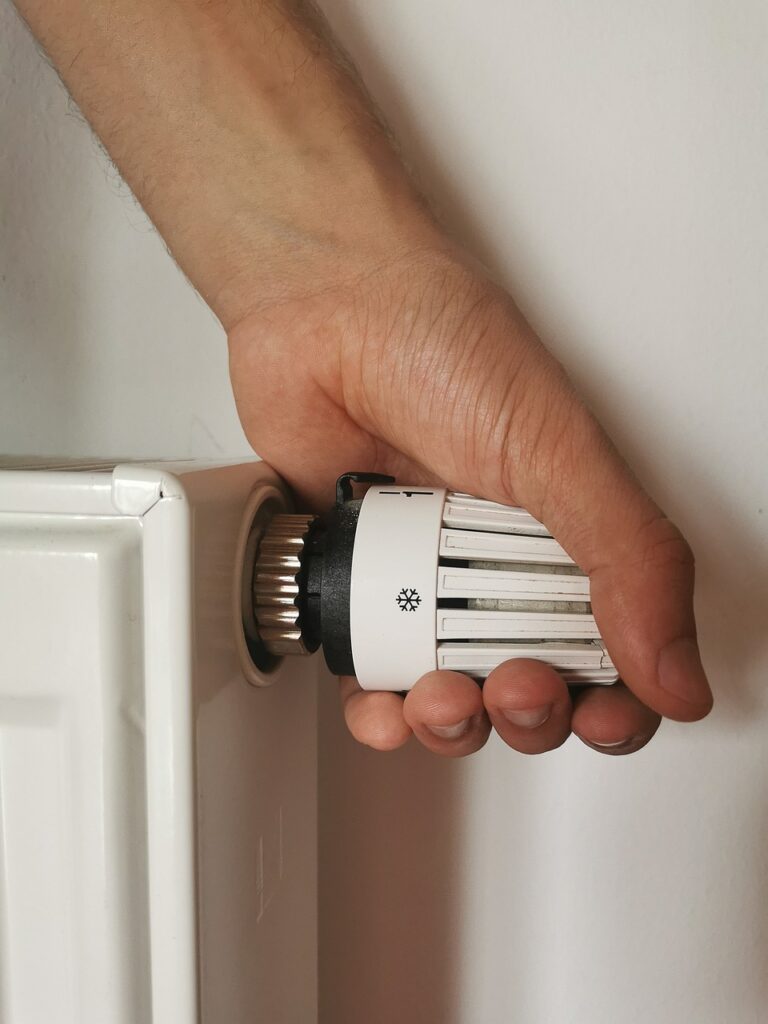
Switching to natural gas appliances can help conserve energy and lower your electric bill. Natural gas is generally cheaper than electricity for heating your home, water, and cooking.
A natural gas furnace typically costs 30-45% less than an electric one. Modern natural gas appliances are highly efficient; some furnaces reach 98% efficiency ratings.
Installing a natural gas water heater can save you $200-$300 annually compared to electric models. Gas stoves heat up instantly and control precise temperature using less energy than electric ranges.
The upfront cost for switching includes installation of gas lines if your home doesn’t already have them. However, the long-term savings often justify this investment within a few years.
Natural gas produces fewer carbon emissions than coal-generated electricity, making it a cleaner fossil fuel option while you transition toward fully renewable energy sources.
Financial Strategies to Lower Costs

Beyond changing habits and appliances, there are several financial approaches to reduce your electric bills. These strategies use payment options and available programs to help you manage costs more effectively.
Budget Billing Plans

Budget billing plans spread your electricity costs evenly throughout the year. Instead of facing high bills during extreme weather months, you pay the same amount each month based on your average annual usage. This makes budgeting much easier since you know exactly what to expect.
Most utility companies offer this option free of charge. You typically need a good payment history with your provider to sign up. The utility company will review your usage from the previous year to calculate your monthly payment.
Keep in mind that your account is reconciled annually. You might need to pay the difference if you used more energy than expected. If you used less, you’ll receive a credit or refund.
This approach won’t lower your total costs but will make them more predictable. That predictability helps with monthly budgeting and prevents bill shock during extreme seasons.
Seeking Discounts and Rebates

Many utility companies and government programs offer discounts and rebates that can significantly reduce your electric costs. Start by checking your utility provider’s website for income-based discounts. Households with lower incomes, seniors, or people with medical needs often qualify for reduced rates.
Look for rebates on energy-efficient appliances, too. You might get $50-$100 back when buying an ENERGY STAR refrigerator or $500+ for a heat pump.
“I saved over $300 last year by claiming rebates on my new washer and LED lighting,” a customer shared with NerdWallet.
Don’t overlook tax incentives either. Federal tax credits can cover up to 30% of costs for solar panels and specific energy improvements. These credits directly reduce your tax bill, putting money back in your pocket.
Your state or local government might offer additional incentives. Check their websites or call your utility company to ask about available programs.
See Related: Proven Ways to Live a Simple and Frugal Life That Will Transform Your Finances and Happiness
Frequently Asked Questions

Many electric bill questions focus on seasonal challenges and specific living situations. Here are practical answers to help you save money in various circumstances without sacrificing comfort.
What practical ways to cut your electric bill when living in an apartment?
Apartment living presents unique challenges for saving electricity, but you still have options.
Start using power strips for electronics to eliminate phantom energy drain when you’re not using them.
Use thermal curtains on windows to keep heat in during winter and out during summer. This simple change can reduce your heating and cooling costs by up to 25%.
Ask your landlord about installing LED bulbs, low-flow showerheads, and programmable thermostats. Many landlords are happy to make these upgrades since they increase property value.
Can you share some tips for reducing electric bills during the cold winter?
Winter electricity costs can skyrocket, but smart habits help.
Layer up with warm clothing and keep your thermostat at 68°F when you’re home and awake. Each degree lower can save about 3% on heating costs.
Use the oven for multiple dishes simultaneously to make your home work smarter. The residual heat can also warm your kitchen!
Seal drafts around windows and doors with weather stripping or even rolled-up towels. This prevents warm air from escaping and cold air from sneaking in.
What thermostat settings are recommended to save on electric costs without sacrificing comfort?
Finding the right temperature balance saves money without making you uncomfortable.
In winter, aim for 68°F when you’re home and awake, and lower it by 7-10 degrees when you’re asleep or away.
During summer, set your thermostat to 78°F when you’re home and higher when you’re away. Each degree of adjustment can save 2-3% on your cooling costs.
Consider a programmable or smart thermostat that automatically adjusts temperatures based on your schedule. These devices can save you about $180 per year on energy costs.
Are there any gadgets or tools that can help lower my electricity consumption?
Smart power strips are game-changers for managing electricity use. They automatically cut power to devices when not in use, eliminating phantom energy drain that can account for up to 10% of your bill.
Energy monitoring devices like Kill A Watt let you measure how much electricity appliances use. This information helps you identify energy hogs in your home.
Smart home systems can control lights, thermostats, and appliances remotely. They learn your habits and optimize energy use without you thinking about it.
What steps can I take to lower my electric bill significantly in the summer heat?
Summer cooling costs can be managed with innovative strategies.
Use ceiling fans to create a wind chill effect. This allows you to raise your thermostat setting by about 4°F without sacrificing comfort.
Close blinds and curtains during the day to block the sun’s heat. This simple action can reduce indoor temperatures by up to 15 degrees.
Run heat-generating appliances like ovens, dryers, and dishwashers in the evening when temperatures are cooler. This prevents your AC from working overtime during peak heat.
What are some unconventional but safe methods to drastically reduce electricity expenses?
Try the “unplugged weekend” challenge, where you disconnect from electronics for 48 hours. This will raise your awareness of your electricity use and can inspire lasting changes in habits.
Cooking outdoors on a grill during summer can keep the heat outside, preventing your AC from working harder to counteract the cooking heat.
You can also create a friendly competition with neighbors or family members to see who can reduce their electric bill the most. The social accountability often leads to discovering creative ways to save.
Leave a Reply