
Living frugally doesn’t mean living poorly—it means being smart about your money and making intentional choices. When I started my frugal journey five years ago, I was drowning in credit card debt and living paycheck to paycheck.
Now, I’ve built savings and found joy in spending less. Frugal living is about maximizing value in everything you do, from grocery shopping to entertainment choices, allowing you to spend less than you earn and build financial security.
Starting a frugal lifestyle might feel overwhelming at first. You might worry about giving up things you enjoy or constantly feeling deprived. I felt the same way!
But frugality isn’t about sacrifice—it’s about priorities. Small changes like meal planning, comparing prices before buying, and finding free entertainment options can make a huge difference in your budget without making you miserable.
The benefits of embracing a frugal lifestyle go beyond just saving money. You’ll become more creative, resourceful, and appreciative of what you have.
My frugal habits have also been better for the environment and my overall happiness. Ready to start your frugal journey? Let’s explore some simple tips that can help you begin saving right away.
Understanding Frugal Living

Frugal living is about making smart choices with money and resources to achieve financial stability without sacrificing happiness. It combines thoughtful spending with intentional living to help you reach your financial goals.
Definition of Frugal Living

Frugal living means being careful and intentional with your money. It’s about spending on what truly matters to you while cutting back on things that don’t. Unlike being cheap, frugality focuses on value rather than the lowest price.
Being frugal means looking for ways to save money in your daily life through smart choices. You might cook at home instead of eating out, use coupons for groceries, or buy used items instead of new ones.
Frugality isn’t about depriving yourself. It’s about making your money work harder for you. You can still enjoy life while being mindful of your spending habits.
The goal is to create financial breathing room. This will give you more control over your life and reduce money stress.
Benefits of a Frugal Lifestyle

Adopting frugal habits can transform your financial situation in several ways:
- Financial Freedom: When you spend less than you earn, you can pay off debt and build savings. This creates a path to financial independence where money worries don’t control your life.
- Reduced Stress: Having emergency savings and less debt means fewer financial worries. You’ll sleep better knowing you have a financial cushion for unexpected expenses.
- Environmental Impact: Buying less and reusing items reduces waste. Frugal practices like repairing instead of replacing items are often better for the planet.
- Appreciation for Simple Pleasures: You’ll enjoy free or low-cost activities. Many people discover that their happiest moments don’t require spending much money.
- Increased Creativity: Finding ways to save money often leads to creative solutions and new skills. For example, you might learn to cook, sew, or handle basic home repairs.
Myths vs. Reality

Myth: Frugal living means being miserable and never having fun.
Reality: Frugality is about spending on what brings you joy while cutting costs on things that don’t matter to you.
Myth: You need to track every penny to live frugally.
Reality: While budgeting helps, you can start with simple changes like meal planning or reducing impulse purchases.
Myth: Frugal people never splurge on anything.
Reality: Smart frugality includes occasional treats you’ve planned and saved for.
Myth: Frugal living is only for people with low incomes.
Reality: People at all income levels practice frugality to build wealth and achieve financial goals.
Myth: Frugal equals cheap or low quality.
Reality: Frugal people often invest in quality items that last longer, saving money in the long run.
Getting Started with Frugality

Frugal living starts with understanding your money and making intentional choices. The journey begins with an honest assessment and creates a path toward financial freedom through simple, practical steps.
Assessing Your Financial Situation

Start by gathering all your financial information. Pull out those bank statements, credit card bills, and loan documents. You need to know exactly where you stand.
Create a simple list of all your debts with their interest rates. This might feel uncomfortable, but facing the numbers is your first step toward freedom.
Next, calculate your net worth by subtracting what you owe from what you own. Don’t worry if it’s negative—many people start there.
Review your income sources and average monthly earnings. If you have irregular income, look for patterns in the past 3-6 months.
Identify spending leaks—those small purchases that add up quickly. My coffee habit cost me over $100 monthly until I tracked it!
Setting Financial Goals

Start with short-term goals you can achieve within 3-6 months. For example, you could save $500 for emergencies or pay off a small debt.
Write your goals using the SMART framework: Specific, Measurable, Achievable, Relevant, and Time-bound. “Save more money” is too vague, but “Save $1,000 for emergency fund by December” works perfectly.
Consider what truly matters to you. Your frugal journey will be easier when your goals align with your values and dreams.
Be realistic about timelines. You didn’t create financial habits overnight and won’t change them that quickly either.
Create visual reminders of your goals, like a simple fridge chart tracking progress toward your emergency fund.
Creating Your First Budget

Start simple with the 50/30/20 rule: 50% for needs, 30% for wants, and 20% for savings and debt repayment. This gives you a framework without feeling overly restrictive.
First, list all your fixed expenses—rent/mortgage, utilities, insurance, and loan payments. These create the foundation of your budget.
Allocate money for variable expenses like groceries, gas, and entertainment. These categories often offer the most opportunity for frugal choices.
Remember irregular expenses! Set aside monthly amounts for car repairs, medical costs, and holiday gifts.
Try the envelope system for problem spending areas. Put cash in labeled envelopes for categories where you tend to overspend, and when the envelope is empty, you’re done spending.
Tracking Your Expenses

Use a simple tracking method that works for you—a notebook, spreadsheet, or budgeting app. The best system is one you’ll stick with.
Record expenses daily rather than trying to remember at the end of the month. It takes just minutes but provides powerful insight into your spending habits.
Look for patterns in your spending. You might discover you’re spending twice as much on groceries as you thought, or that work lunches are eating up your paycheck.
Celebrate small wins! When I started tracking expenses, I found $200 in monthly subscriptions I wasn’t using. Canceling them felt like giving myself a raise.
Adjust your budget based on what you learn. Your first budget is just a starting point—tracking helps you refine it into a realistic spending plan that helps you live within your means.
See Related: Tips for Frugal Living at 60 Years Old: Thrive on Less and Enjoy More in Retirement
Smart Shopping Strategies

Shopping smart is a key part of frugal living, saving you hundreds of dollars monthly. These practical approaches will help you make the most of every dollar without feeling deprived.
Avoiding Impulse Buys
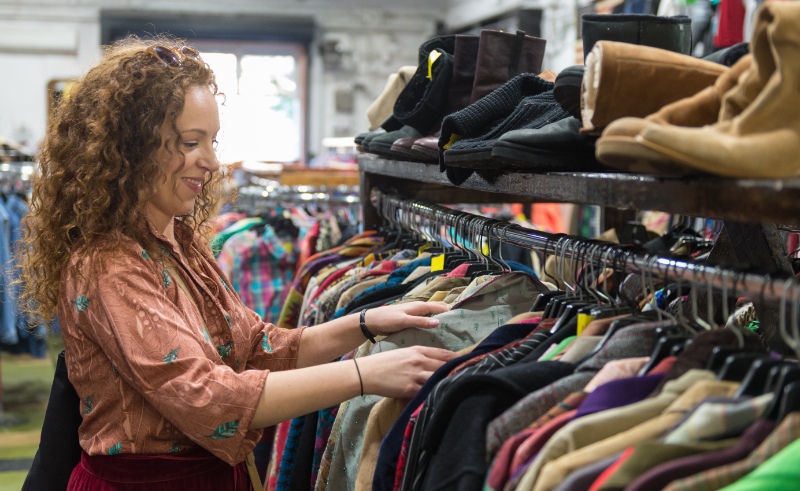
Impulse purchases can wreck your budget faster than almost anything else. The average person spends $314 monthly on unplanned purchases – over $3,700 annually!
Try the 24-hour rule for non-essential items. If you see something you want, wait a full day before buying it. Often, the urge passes, and you’ll save that money.
Keep a “wants” list on your phone. Add items to the list when you are tempted by something instead of immediately buying them. Review the list weekly and decide what is truly worth purchasing.
Shop with cash only for problem categories. If clothing is your weakness, withdraw a set amount for your monthly clothing budget and leave the cards at home.
Quick tip: Ask yourself, “Do I need this, or do I want this?” before every purchase. This simple question can reduce impulse buys by up to 70%.
Planning Shopping Trips

Strategic shopping trips save both time and money. Plan to shop only once or twice a week to reduce exposure to temptations.
Eat before shopping for groceries! Research shows that shopping hungry leads to spending 40% more on average.
Combine errands into one trip to save gas. Map your route to hit stores in a logical order rather than zigzagging across town.
Take advantage of price-matching policies. If you show proof, many major retailers will match competitors’ prices, saving you separate trips.
Research big purchases thoroughly. For items over $100, spend at least one hour researching options, reading reviews, and comparing prices online.
Personal note: I started planning my shopping trips on Sundays and cut my grocery spending by nearly 25% in the first month!
Using Shopping Lists Effectively

A good shopping list is your strongest defense against overspending. Studies show people who shop with lists spend up to 23% less than those who don’t.
Be specific on your list—write “1 bunch bananas” instead of “fruit.” This prevents overbuying perishables that might go to waste.
Organize your list by store section (produce, dairy, etc.) to shop more efficiently and avoid wandering into temptation zones.
If shopping with family members, use a shared digital list app like Bring! or AnyList. This prevents duplicate purchases and allows real-time updates.
Pro tip: Keep a running list weekly as you notice needed items. This prevents forgetting essentials that might require an extra trip later.
Leveraging Coupons and Loyalty Programs

Coupons and loyalty programs can dramatically reduce spending when used strategically. The average user saves $30-$50 monthly with minimal effort.
Stack savings using store loyalty cards, manufacturer coupons, and cashback apps on the same purchase. This “triple dipping” can save up to 70% on some items!
Sign up for loyalty programs at stores you visit regularly. Many offer exclusive member pricing, birthday rewards, and points that can be converted to real savings.
Use browser extensions like Honey or Rakuten when shopping online. They automatically find and apply coupon codes and offer cashback on purchases.
Don’t chase deals just because they’re deals. Only use coupons for products you’d buy anyway – otherwise, you’re not saving money, you’re spending it unnecessarily.
See Related: Proven Ways to Live a Simple and Frugal Life That Will Transform Your Finances and Happiness
Sustainable Saving Techniques

Living frugally and sustainably go hand in hand, creating a good lifestyle for your wallet and the planet. Small changes in how you shop, eat, travel, and reuse items can lead to significant savings over time.
Buying in Bulk

Purchasing items in larger quantities can dramatically reduce your grocery bill. Pantry staples like rice, beans, flour, and oats cost up to 30% less when bought in bulk. Many grocery stores have dedicated bulk sections where you can fill your containers.
When shopping in bulk, always compare the price per unit (per ounce or pound) rather than the total price. This simple math ensures you’re getting a deal.
Keep these bulk-buying tips in mind:
- Focus on non-perishable items that won’t spoil
- Store bulk foods properly in airtight containers
- Split large purchases with friends or family if storage is limited
- Don’t buy in bulk if you won’t use it all—food waste cancels out savings
Meal Planning and Cooking at Home

Eating out costs Americans an average of $3,000 per year! Meal planning is your secret weapon against this expense. Start by checking your pantry and planning meals around what you already have.
By planning a week’s meals at once, I’ve saved about $200 monthly. Create a simple daily plan with breakfast, lunch, and dinner ideas.
Try these meal planning strategies:
- Build meals around sales and seasonal produce
- Cook larger batches and freeze portions for busy days
- Use similar ingredients across different meals to minimize waste
- Keep a few “emergency” meals in the freezer to avoid takeout temptation
Cooking at home isn’t just cheaper—it’s healthier too! You control the ingredients and portion sizes while developing a valuable skill.
Using Public Transportation

Transportation costs can drain your budget quickly. The average car owner spends $10,000+ yearly on payments, insurance, gas, and maintenance. Public transit offers a wallet-friendly alternative.
Switching to buses and trains saved me nearly $4,500 in one year. Many cities offer monthly passes that provide unlimited rides at a discount.
Consider these public transportation benefits:
- No parking fees or traffic stress
- Time to read, listen to podcasts, or relax during commutes
- Reduced carbon footprint
- No surprise repair bills or maintenance costs
For occasional car needs, services like Zipcar or carpooling with coworkers provide flexibility without the ownership burden.
Embracing Thrift Stores and Second-Hand

New items come with hefty markups, but second-hand shopping delivers amazing value. I’ve furnished entire rooms with thrift store finds at 75-90% off retail prices.
Visit thrift stores regularly, as inventory changes constantly. The best deals often appear mid-week when new donations are processed.
Thrift shopping extends beyond clothing:
- Kitchen equipment and small appliances
- Books and entertainment
- Furniture (especially solid wood pieces)
- Children’s toys and clothing quickly outgrow
Online marketplaces like Facebook Marketplace and Nextdoor connect you with local sellers offering everything from free moving boxes to discounted electronics. Some communities even have “Buy Nothing” groups where items are given away completely free.
Household Management Hacks
Managing your home efficiently can save you hundreds of dollars each month. Smart choices in energy use, DIY repairs, and utility management create significant savings without sacrificing comfort.
Energy-Saving Tips for the Home

Unplug electronics when not in use to eliminate “phantom energy” costs. These sneaky power drains can add $100+ to your yearly bills for devices you’re not using!
Switch to LED bulbs throughout your home. While they cost more upfront ($2-4 per bulb), they use 75% less energy and last up to 25 times longer than traditional bulbs. My electric bill dropped $15 monthly after switching to a whole-house system.
Use thermal curtains to keep heat in during winter and out during summer. They typically cost $20-30 per window but can reduce energy bills by 10-25%.
Quick energy savers:
- Use power strips to easily turn off multiple devices
- Apply weatherstripping to doors and windows ($5-10 per roll)
- Clean refrigerator coils twice yearly for better efficiency
DIY Projects to Cut Costs

You can make your cleaning products with simple ingredients. A basic all-purpose cleaner costs less than $1 to make with vinegar, water, and a few drops of essential oil.
You can fix leaky faucets yourself instead of calling a plumber. A simple faucet repair kit costs about $10-15, compared to a $75-150 service call.
Create storage solutions from items you already own. Empty coffee cans make great organizers for garage items, while shoe boxes can organize drawers.
Try basic home maintenance tasks like unclogging drains with baking soda and vinegar before calling professionals. You’d be surprised how many $100+ service calls you can avoid!
Beginner-friendly DIY projects:
- Homemade laundry detergent (saves $40+ yearly)
- Repurposed furniture with a fresh coat of paint
- Simple garden using recycled containers
Reducing Water and Utility Bills
Install low-flow showerheads to cut water usage by up to 40%. A good one costs $15-25 but can save a family of four about $100 annually on water heating.
Time your showers! Even cutting 2 minutes saves 5 gallons of water per shower. Our family placed a simple kitchen timer in the bathroom as a gentle reminder.
Check for toilet leaks by adding food coloring to the tank. If color appears in the bowl without flushing, you leak, wasting up to 200 gallons daily.
Consider a programmable thermostat to automatically adjust temperatures when you’re sleeping or away. They cost $25-50 but can save 10-15% on heating and cooling costs.
Run full loads only for dishwashers and washing machines. Half-loads use almost the same resources but clean half the items!
Leveraging Technology for Savings

Technology can be your best friend when trying to save money. The right apps, websites, and online tools can track spending, find deals, and help you stick to your budget with minimal effort.
Apps That Help You Save Money

Finding the right apps can transform your saving habits. Mint connects all your accounts in one place and automatically categorizes spending, making it easy to spot where your money goes. You’ll get alerts when bills are due or when you’re approaching budget limits.
Ibotta and Rakuten reward you for shopping you’d do anyway. With Ibotta, you earn cash back on groceries by selecting offers before shopping and scanning receipts. I’ve earned over $200 in my first year using it for regular grocery trips.
For automatic saving, try Acorns or Digit. Acorns rounds up purchases to the nearest dollar and invests the difference. Digit analyzes your spending patterns and moves small amounts to savings when you can afford it.
Remember to check if your bank offers its money-saving app with features like spending analysis or automatic transfers to savings.
Websites for Frugal Living

Several websites can help stretch your dollars further. RetailMeNot and Honey gather coupon codes for thousands of online stores. Before purchasing, check these sites for potential savings—it takes seconds but can save dollars.
For bigger purchases, CamelCamelCamel tracks Amazon price histories. This helps you decide if that “sale” is a good deal or wait for a better price drop.
Freecycle and Buy Nothing groups connect you with people giving away items for free in your area. I furnished half my apartment with quality secondhand items from these groups.
Meal planning sites like Budget Bytes offer recipes with cost breakdowns. Their $5 dinner ideas have saved many households from expensive takeout on busy nights.
Online Tools for Budgeting

Effective budgeting is easier with the right tools. Google Sheets offers free budget templates you can customize and access anywhere. The simplicity makes it perfect for beginners tracking expenses for the first time.
You Need A Budget (YNAB) uses a zero-based budgeting approach for those who prefer more structure. Every dollar gets assigned a job, helping you become more intentional with spending.
Personal Capital focuses on your overall financial picture, including investments and retirement planning. Their retirement calculator helps you see if you’re on track for future goals.
Many libraries offer free access to premium financial tools and courses through their websites. Check your local library’s digital resources section for tools like Morningstar investment research or LinkedIn Learning financial courses.
See Related: How to Live Frugally: Tips for Saving Money and Achieving Financial Freedom
Frequently Asked Questions

Many people have important questions about starting their frugal journey. These practical answers will help you develop money-saving habits, reduce expenses, and shop smarter while incorporating traditional wisdom and creative approaches.
What are some simple habits I can adopt to start saving more money?
Start tracking every penny you spend. Record purchases for 30 days using a notebook or a free app like Mint. This eye-opening practice often reveals spending patterns you didn’t realize existed.
Turn off lights when leaving rooms and unplug electronics that are not in use. These “energy vampires” can add $100+ yearly to your electric bill even when turned off.
Wait 24 hours before making any non-essential purchase over $50. This cooling-off period helps eliminate impulse buys and gives you time to research better deals.
Pay yourself first by automatically transferring 5-10% of each paycheck to savings before you can spend it. Even $25 per paycheck grows significantly over time.
Can you give me daily practices that would make for a frugal lifestyle?
Bring coffee from home in a travel mug instead of buying it. At $5 per workday, this simple switch will save you about $1,200 annually.
Pack lunches instead of eating out. A homemade sandwich costs around $2 compared to $10-15 for a purchased lunch.
Plan tomorrow’s outfit before bed to avoid morning rush decisions that might lead to unnecessary shopping for “missing” items.
Walk or bike for short trips instead of driving. This saves on gas and vehicle maintenance while improving your health.
You can use the library for books, movies, tools, or equipment. Many libraries now loan everything from cake pans to power tools.
What are the best ways for a beginner to reduce household expenses?
Audit your subscriptions and cancel those you rarely use. Many forget about $5-15 monthly subscriptions that add up to hundreds yearly.
Lower your thermostat by 2-3 degrees in winter and raise it in summer. Each degree adjustment saves about 3% on your heating/cooling bill.
Replace paper towels with reusable cloths for cleaning. A family typically spends $100+ yearly on paper products that end up in the trash.
DIY basic home maintenance, like unclogging drains, replacing air filters, and simple repairs. YouTube tutorials make these tasks accessible even to beginners.
Consider bundling insurance policies with one provider. This often results in 10-25% savings across all your insurance needs.
How can I make the most of my budget when shopping for groceries?
Shop with a detailed list based on planned meals. Studies show shoppers who use lists spend 23% less than those who shop without them.
Buy store brands for basics like flour, sugar, and cleaning supplies. These products often come from the same manufacturers as name brands but cost 20-30% less.
Learn which items to buy in bulk and which to buy as needed. Rice, beans, and frozen vegetables are good bulk buys, while fresh produce is best purchased weekly.
For additional savings, use cash-back apps like Ibotta or Checkout 51. These apps can save you $5-20 per shopping trip with minimal effort.
Shop the perimeter of the store first. The healthiest and often least expensive whole foods are typically located around the edges of grocery stores.
What strategies were commonly used during the Great Depression that can be applied to frugal living today?
“Use it up, wear it out, make it do, or do without” was a Depression-era motto that still applies. Before replacing items, ask if they can be repaired or repurposed.
Grow your food in containers or small garden plots. Even apartment dwellers can grow herbs on windowsills or tomatoes on balconies.
Learn basic mending skills to extend clothing life. Simple sewing repairs can add years to garment usability and save hundreds on replacement costs.
Cook from scratch instead of buying prepared foods. Depression-era cooks made everything from bread to soup bases, saving significant money on convenience foods.
Create community sharing networks for tools and equipment. During hard times, neighbors shared resources rather than each household buying rarely-used items.
What are some creative and less common methods to save money that most people might not know about?
Negotiate your bills twice yearly. Cable, internet, and insurance companies often have unadvertised promotions for customers who simply ask for better rates.
Try “hypermiling” techniques when driving. Proper tire inflation, smooth acceleration, and coasting to stops can improve gas mileage by 10-15%.
Join local Buy Nothing groups on Facebook where people give away items they no longer need. You can find everything from furniture to kids’ clothes completely free.
Use cloth handkerchiefs instead of tissues. This old-fashioned practice saves about $30 yearly while creating less waste.
Rent out storage space in your home. Websites like Neighbor let you earn $50-200 monthly from people needing storage if you have an empty garage bay or spare closet.
Leave a Reply