
Travel dreams don’t need to empty your wallet. I spent years watching friends splurge on pricey getaways while I scraped together grocery money, and honestly, I thought travel just wasn’t for me. Turns out, some of the world’s most jaw-dropping destinations cost less than a weekend in most US cities.
My “aha” moment? That came during a shoestring three-week trip through Vietnam and Cambodia. I spent just $800 total, and I still got to wander ancient temples, devour street food, and relax on beaches that beat any luxury resort I’ve ever seen.

Places like Vietnam, Colombia, and Guatemala hand you authentic culture and wild scenery for $25-35 a day—including your bed, meals, and getting around. These spots prove budget travel isn’t about giving things up—it’s about making clever choices that stretch your cash and still pack in plenty of adventure.
If you want real value, you’ve got to look past cheap hotels. The magic happens when you find destinations where affordable lodging meets killer street food, easy public transit, and rich local life—so you get memories, not credit card debt.
Key Takeaways
- Budget-friendly countries like Vietnam, Portugal, and Mexico give you world-class experiences for $25-50 a day.
- Smart money moves and a bit of local know-how help you get even more bang for your buck.
- Some up-and-coming destinations offer authentic adventures without those painful tourist markups.
Understanding Budget Travel Essentials

If you want to travel on a budget, you need to know where your money goes. It’s all about picking places where your dollar (or euro, or peso) stretches far, and then keeping your biggest expenses—transport and accommodation—under control.
How to Identify Truly Affordable Destinations

Free attractions are a budget traveler’s best friend. Rome boasts 976 free tourist spots, and London? An insane 1,426 free things to do. Those numbers say a lot.
Check out meal costs as a quick gut check. Bangkok’s average meal costs $3.14, but in Bern, Switzerland, you’ll pay $26.53. That’s a massive difference.
Hotel prices can make or break your budget. You’ll find beds in Dubai for $14 a night, while New York City will hit you for $339. Pick wisely.
I always cross-check prices on TripAdvisor, Numbeo, and Booking.com. Real travelers tell you what locals pay, not just the tourist price.
Eastern European cities like Prague ($10.71 meals, $34 hotels) and Budapest ($10.80 meals, $34 hotels) consistently deliver great value. You get European vibes without the sticker shock.
Travel Costs to Expect and Plan For

Daily budgets swing wildly by country. Mexico averages $128 a day, meals and transit included. Use that as a jumping-off point.
Food usually eats up 30-40% of your travel cash. In places like Bangkok or Prague, you can eat well for $10-15 a day. In New York or London? Plan for $25-30.
Getting around adds up. Flights, buses, trains—it all matters. Public transport passes usually run $5-15 per day and save you a ton over taxis.
Accommodation is the big one—40-50% of your budget, easy. Hostels go for $8-50 per night, budget hotels for $30-100, depending on the place.
Activities and attractions sneak up on you. Many cities have tourist cards bundling sights for $20-40 a day. Free walking tours usually just ask for a $5-10 tip.
Key Tips for Saving on Transportation

Book flights early—6-8 weeks ahead for domestic, 2-3 months for international. Tuesdays and Wednesdays are usually 20-30% cheaper than weekends.
Hop on public transit instead of pricey taxis. A metro pass might cost $3-8 a day, while a single taxi ride can set you back $15-25. Weekly passes are even better.
Walk when you can—it’s free, and you see way more. Cities like Prague and Lisbon are made for exploring on foot.
Check out alternative airports if you’re flying into pricey cities. Sometimes landing at a smaller airport near London or Paris saves $100-200.
Buses are a frugalist’s secret weapon. In Europe, FlixBus runs routes between big cities for just $10-30.
Finding Quality Budget Hotels and Stays

Dig into reviews on more than one site. I trust recent comments about cleanliness, wifi, and location most—that’s what matters when you’re penny-pinching.
Location always wins over luxury. A plain room in the city center saves you cash on transit and gives you more time to explore. Factor in your daily transport costs.
Hostels aren’t just for college kids. Plenty have private rooms at the same price as budget hotels, and they’re often in better spots. Plus, modern hostels have all the basics.
Book directly after you spot a good deal on a booking site. Hotels often match the price and throw in breakfast or a late checkout.
Aparthotels are awesome for longer stays. A kitchenette lets you save on meals, especially breakfast and lunch.
Top Cheapest Travel Destinations Across the Globe

You don’t have to spend big to see the world. Thailand dishes up street meals for $1-2, Poland’s comfy hostels run under $15 a night, and Mexico packs in real-deal experiences for a fraction of what you’d pay in the West.
Southeast Asia Highlights for Frugal Adventurers

Thailand is still the king of budget travel. Backpackers get by on $25-50 a day, and you’ll find pad thai on the street for just $1.50.
Bangkok’s wild markets and Halong Bay’s limestone cliffs give you memories for cheap. Beds go for $8 in hostels, $30 in mid-range hotels.
Cambodia is a steal. Angkor Wat temple passes run $37 for a day. Street eats average $1-3, and you can grab a guesthouse for $6-8 a night.
In Phnom Penh, Cu Chi Tunnels tours cost about $15. Ho Chi Minh City serves up steaming pho for under $2, and you can hop on a motorbike tour for $20.
Laos is pure chill. Vientiane’s riverside cafes pour coffee for $1, and Luang Prabang’s night markets fill you up for $3-5.
| Country | Daily Budget | Meal Cost | Accommodation |
|---|---|---|---|
| Thailand | $25-50 | $1.50-4 | $8-30 |
| Cambodia | $20-40 | $1-3 | $6-15 |
| Laos | $20-35 | $2-5 | $5-20 |
Hidden European Gems on a Budget
Poland is shockingly affordable. In Krakow, you can eat a hearty meal for $5-8, and in Warsaw, modern hostels go for $12-18.
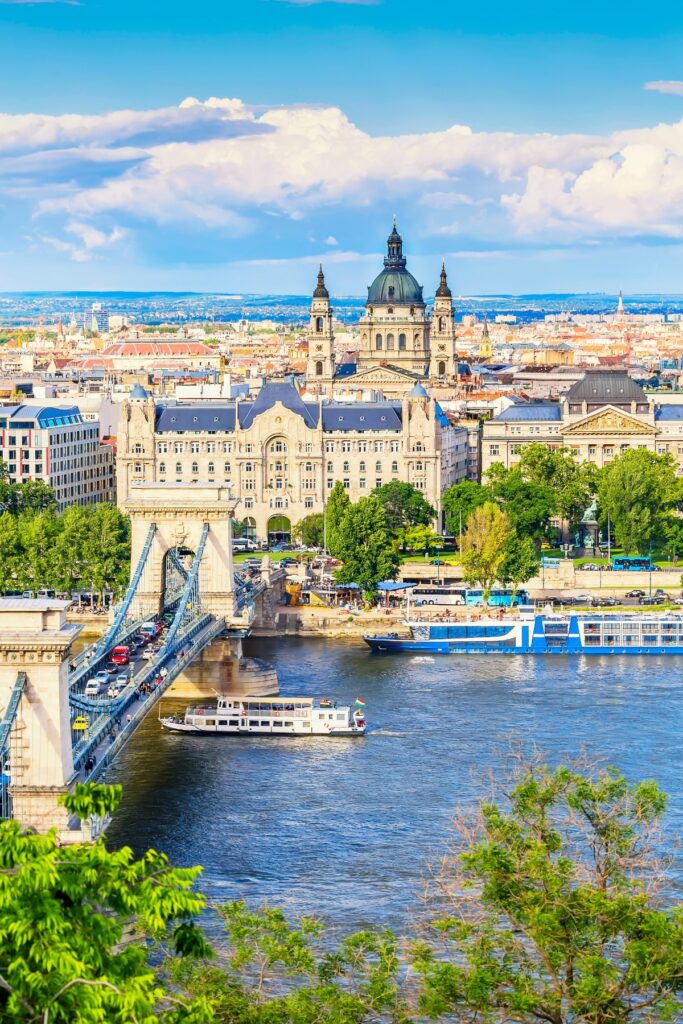
Budapest offers thermal baths for $20 and river cruises for $15. Local spots serve Hungarian goulash for $6-10—so good, so cheap.
Albania is Europe’s best-kept secret. The Albanian Riviera looks like the Greek islands, but at half the price. Beach towns like Saranda have rooms for $15-25 a night.
Sofia, Bulgaria is a winner for value. Metro rides cost just $0.80, and you’ll get a three-course meal in a traditional tavern for $8-12.
Georgia gives you so much for your money. Tbilisi’s wine cellars offer tastings for $10-15, and the Caucasus Mountains are free for hiking.
Prague stays affordable if you avoid the tourist traps. Local pubs pour Czech beer for $1.50, and you can get goulash for $6-8.
Latin America’s Most Affordable Experiences

Mexico is unbeatable, especially in Mexico City. Street tacos? Just $0.50 each. Metro rides for a quarter. Hostels average $10-15 a night.
You’ll find lively markets, top museums for $3-5, and day trips to ancient pyramids for under $30. Buses connect big cities for $20-40.
Argentina is a great deal outside Buenos Aires. In Mendoza, wine tours cost $20-30, while Patagonia offers epic hikes for free.
El Salvador is Central America’s safest budget pick now. Backpackers get by on $30 a day, and volcano tours go for $15-25.
Local pupusas cost $1-2, and the Pacific coast is still mostly untouched. Coffee farm tours in the mountains run $10-15.
Bolivia wins for South America’s lowest prices. Meals are $2-4, and three-day salt flat tours average $80-120, including your bed and transport.
See Related: How to Be Frugal Without Seeming Cheap Smart Habits for Big Wins
Stunning Sites and Unique Cultural Opportunities

Traveling on a budget doesn’t mean missing out. You can wander ancient temples in Indonesia for under $20, watch the sunrise over Cappadocia’s fairy chimneys for the price of a bus ticket, and haggle for treasures in Morocco’s wild souks—all while spending less than a single dinner out back home.
Breathtaking Natural Wonders Under $50

Vietnam’s Ha Long Bay is packed with limestone islands—absolutely stunning. You can book a no-frills overnight cruise for $30-40, meals and caves included.
Turkey’s Cappadocia lets you catch the balloon show for free. Just wake up early and walk to a viewpoint in Göreme.
Table Mountain in Cape Town? The cable car’s just $15. Bring a picnic and soak up those views for hours.
Indonesia’s rice terraces near Ubud are free to hike. Local guides charge $10-15 if you want a deeper dive into villages and crater lakes.
Patagonia’s Torres del Paine lets you camp for $8 a night. Glacial lakes and granite spires—photos don’t do it justice.
World Heritage & Bucket List Experiences for Less

Peru’s Cusco is your jumping-off point for Machu Picchu alternatives. Skip the pricey Inca Trail and grab the train to Aguas Calientes for $30 each way.
Borobudur and Prambanan temples in Java cost $25 for both. You’ll get 8th-century architecture without the Angkor Wat crowds.
India’s Taj Mahal only charges foreigners $15 to get in. The local train from Delhi is $3—crazy cheap for a world wonder.
Roman ruins in Turkey are mostly free or super affordable. Ephesus asks $13 for entry and gives you amphitheaters and libraries that are shockingly well-preserved.
Christ the Redeemer in Rio costs $12 if you take the cog railway. Go on a weekday for fewer crowds and killer photos.
Vibrant Markets and Local Cuisine on a Dime

Istanbul’s Grand Bazaar is a haggler’s paradise—carpets, spices, jewelry everywhere. Grab street food nearby for $2-3 a meal.
Marrakech serves tagines for $4 in local joints. The medina’s souks are a maze of leather, pottery, and textiles at bargain prices.
Chefchaouen’s blue streets are made for Instagram. Mint tea is 50 cents, and you can buy handwoven goods straight from the makers.
Ubud’s morning market sells tropical fruit for pennies. Cooking classes go for $15-20 and include a market tour plus recipes to take home.
Albania’s Skanderbeg Square in Tirana anchors a super affordable Balkan trip. Traditional byrek is just $1, and local raki gives you real cultural flavor for less than your daily coffee habit.
How to Maximize Value in Each Destination

Let’s be real—finding affordable destinations is just step one. What you do every day matters way more for your wallet than the flight you booked.
Your tiny, seemingly harmless decisions? They’ll either let you travel for months… or have you running home early with an empty bank account.
Best Public Transport Systems for Tourists

When you’re pinching pennies, public transport turns into your best friend—especially in places like Thailand or Vietnam. You’ll pay next to nothing, and honestly, it’s the fastest way to see how locals live.
Hop on Bangkok’s BTS Skytrain for about $0.50 a ride. You’ll soar above the traffic jams and rub shoulders with commuters, not just other tourists.
The MRT subway opens up even more neighborhoods. Suddenly, you’re eating where locals eat, not just where the guidebooks send you.
Vietnam’s city buses? They charge less than $0.25 per ride in places like Ho Chi Minh City. Sure, they get crowded, but you’ll save $15-20 every single day compared to taxis or rideshares.
Malaysia’s KTM trains link big cities for just $3-8 a trip. Book your tickets online and score a 10% discount—plus, you skip the headache of highway traffic.
In Kuala Lumpur, the RapidKL system has $2 day passes. You can crisscross the city all day without worrying about your budget.
India’s Mumbai local trains move 7.5 million people daily. First-class tickets run about $0.20 and guarantee a seat when things get hectic. Download the m-Indicator app and you’ll navigate like you grew up there.
Download and check out transport apps before you go. Rome2Rio gives you all the options, with real prices. Citymapper covers 40+ cities and even includes walking times.
Staying Local: How Homestays and Hostels Save Money

Homestays in places like Nepal or the Philippines? You’ll pay $5-15 a night, while hotels easily charge $30-50. Plus, you get home-cooked food and a crash course in local culture—something you’ll never get at a budget hotel.
Sites like Agoda and Booking.com list legit homestays with real reviews. Filter for “entire home” if you want privacy. Read the latest reviews—people are brutally honest about cleanliness and hosts.
Hostels in Southeast Asia usually cost $8-12 per night. Over in Europe, Generator Hostels have pod-style beds for $25-35. If you book right on the hostel’s website, you skip extra fees.
HI Hostels (Hostelling International) keep standards consistent in 60+ countries. Members get 10% off and access to kitchens—those alone can save you $10-15 a day on food.
Couchsurfing is still alive and well. Locals offer their couch (or spare room) for free, but you’ll need a full profile with photos and references. Always send personal messages—hosts ignore copy-paste requests.
Try work exchanges like Workaway or WWOOF. You’ll work 20-25 hours a week and get a bed and meals in return. It’s a game-changer for pricey spots like Australia or New Zealand.
Free and Low-Cost Activities That Deliver

Walking tours in cities like Prague, Budapest, and Mexico City run on tips. You’ll get history, quirky stories, and new friends for maybe $5-10.
Museums often waive entrance fees once a month. London’s big museums are free all year. The Paris Museum Pass costs $32 for two days and covers 60+ sights plus metro rides.
Hiking trails in Costa Rica or Nepal cost nothing and give you views you’d pay a fortune for elsewhere. Manuel Antonio National Park charges $16, but you get beaches, wildlife, and a full day’s adventure.
Street food tours teach you where locals actually eat for under $15. It’s the best way to taste real flavors and learn to navigate markets without getting ripped off. Bangkok’s Chinatown and Istanbul’s Sultanahmet are unbeatable.
Local festivals? You can’t buy that kind of experience. Diwali in India, Songkran in Thailand, and Day of the Dead in Mexico are open to visitors who join respectfully.
Most beaches in the Philippines or Malaysia are totally free. Boracay’s White Beach and Langkawi’s Datai Bay hold their own against pricey resorts, but you don’t need to pay a dime.
Leveraging Off-Season Travel

Traveling in the off-season can save you 40-60% on places to stay. Fewer crowds, too. Thailand’s rainy season (May-October) means afternoon showers, but mornings are clear and prices drop.
Europe’s shoulder seasons (April-May, September-October) bring great weather without peak prices. Rome and Barcelona are actually enjoyable in October, and hotel rates can be half what they are in summer.
The Caribbean hurricane season (June-November) is a gamble, but you’ll find deals. Barbados and Jamaica slash prices by 60% early in the season, and honestly, the weather can be just fine.
India’s summer months (March-May) are hot, but if you can handle it, you’ll get Rajasthan’s palaces at a steal and empty beaches in Goa.
Flights follow the same patterns. Scott’s Cheap Flights (now called Going) finds mistake fares and seasonal discounts. Google Flights calendar view shows you when to book for less.
Book budget hotels in the off-season and you might end up in a boutique place with a pool or spa for $20-30 a night. Especially in Bali or Sri Lanka, you can live like royalty for hostel prices.
See Related: Minimalist Frugal Living Strategies Habits to Achieve Freedom and Joy
Frugal Traveler Hacks and Smart Money Strategies

If you want to make your money last, you’ve got to get a grip on where it’s going—every single day. Tracking expenses, eating smart, and keeping yourself safe without blowing the budget… it’s all part of the frugal traveler’s toolkit.
Planning and Tracking Your Daily Expenses

Your daily spending habits will make or break your trip. Start with a realistic daily budget for wherever you’re headed.
Just use your phone’s notes app or a tiny notebook to track every cent. Jot down everything, even that random coffee or bus ticket. You’ll spot leaks in your budget fast.
A lot of travelers swear by the 50/30/20 rule:
- 50% for where you sleep and how you get around
- 30% for food and fun
- 20% for emergencies and the odd souvenir
Hit up local ATMs instead of those airport exchange counters—you’ll save 3-5% on fees. Always let your bank know you’re traveling or you might end up with a frozen card.
Apps like Trail Wallet or Trabee Pocket make expense tracking painless. Set up spending alerts so you don’t go overboard.
Try the envelope method if you’re old-school. Split your cash into categories—when the “food” envelope is empty, it’s time to hit the grocery store.
Eating Well Without Overspending

Food can eat up 40% of your budget if you’re not careful (pun intended). But there are ways to eat well without burning through your cash.
Shop at local markets and grocery stores for breakfast and lunch. A family of four can have breakfast for $10 instead of dropping $50 at a restaurant—just grab cereal, milk, and fruit.
Pack a cooler or bag with water, snacks, and sandwich fixings. Seriously, this can save $75 a day for families, and you’ll eat better than at a gas station.
Eat your main meal at lunch—restaurants usually have the same dishes for less. For dinner, keep it light or have a picnic somewhere scenic.
Look for places to stay with a kitchenette. Even a hot plate lets you whip up pasta or sandwiches, and you’ll save a ton.
Try sticking to just one restaurant meal per day. Cook breakfast and lunch, then treat yourself to dinner out. It’s a nice balance between saving money and still enjoying the local food scene.
Ask locals for tips on cheap eats. Food trucks, hole-in-the-wall spots, and neighborhood cafes usually serve better food for way less than tourist joints.
Safety and Insurance on a Small Budget

You can protect yourself and your stuff without shelling out for overpriced insurance. A little planning goes a long way.
Choose a solid travel insurance plan that covers multiple trips in a year. Annual plans run $100-200 and make more sense if you travel often.
Pack a simple first aid kit—bandages, painkillers, any meds you need. Hotel shops will charge you double for the basics.
Use the hotel safe for passports, cash, and anything important. Make copies of your ID and insurance cards, and stash them somewhere separate.
Do your homework on safety before you arrive. Knowing the local scams or sketchy areas helps you avoid expensive mistakes (or worse).
Split up your emergency cash—some in your wallet, some in your bag, and keep a backup card somewhere safe.
Download offline maps like Maps.me. You’ll save on data and avoid getting lost (or looking lost).
Register with your embassy online. It’s free, and if something goes sideways, you’ll want that support.
Emerging Destinations Worth Discovering

Honestly, some of the best travel deals are hiding in places most people haven’t even heard of. If you’re willing to go a bit off the beaten path, you’ll find real adventure and prices that don’t make your eyes water.
Up-and-Coming Spots Before They Get Pricey

Penang, Malaysia is a dream for foodies. You can eat like royalty on $3 a meal, and the street art in George Town is next-level.
Your daily budget can easily stretch to $25-30. Hostels go for $8-12, and local buses cost just $0.50.
Bulgaria is still Europe’s best-kept secret. Sofia’s museums, old churches, and nightlife are all super affordable.
Expect to spend $35-40 a day in Bulgarian cities. You’ll find rooms for $15-20 and hearty meals for $5-8. Even the ski resorts are a bargain compared to the Alps.
El Salvador is attracting surfers and culture lovers with its Pacific beaches and Mayan history. Daily costs hover around $30-35.
In El Tunco, you can get a surfing lesson for $20. Grab a plate of local pupusas for under a buck and you’re set.
Local Insights and Hidden Neighborhoods

Want the real experience? Skip the touristy spots. In Penang, forget Gurney Drive and check out Lebuh Chulia for hawker food and cheap guesthouses.
Markets kick off early in the morning when prices are lowest. Vendors drop prices around 2-3 PM too, when business slows down.
In Bulgaria, neighborhoods like Lozenets in Sofia have family-run restaurants where locals actually eat. It’s cheaper and honestly, the food is better.
Ask around for mehanas—these are tucked-away taverns serving homemade dishes for half the price of tourist restaurants.
El Salvador’s Suchitoto is all colonial charm, minus the crowds. You’ll wander cobblestone streets, browse art galleries, and hit up local markets.
Stay at family-run posadas instead of hotels. You’ll pay $12-18 a night and probably get breakfast cooked by your hosts—win-win.
See Related: Simple Frugal Living Hacks at Home That Transform Your Finances Fast
Frequently Asked Questions

People ask about budget travel all the time, and honestly, you can see the world for way less than you’d think. Real travelers have figured out some solid answers to the most common questions.
What destinations offer the most value for budget-conscious travelers?
If you’re looking for serious value, Southeast Asia wins—no contest. Thailand has hostel beds for $5-10 a night and street food for $2-6. Vietnam is even cheaper, with rooms starting at $4 and a steaming bowl of pho for under $2.
Cambodia’s Angkor Wat is mind-blowing, and you can keep your daily spend under $20. Laos and the Philippines offer similar deals.
In Europe, Albania is still a hidden gem. Renting a car costs $15-20 a day and meals rarely top $10. Bulgaria’s hot springs and ski towns are a steal.
Latin America? Guatemala, Bolivia, and Nicaragua are your best bets if you want rich culture and epic scenery without draining your bank account.
How can I explore new places without breaking the bank?
Start by checking out flexible travel dates. If you fly mid-week or during those shoulder seasons, you might save 40-60% on airfare. I’ve noticed Tuesday and Wednesday departures just tend to be cheaper than weekends—why pay more?
When you can, pick overland transportation. A bus from Bangkok to Chiang Mai costs about $30, while flying sets you back $100 or more. Plus, night buses or sleeper trains let you skip a night’s hotel bill, which is pretty clever if you ask me.
Hostels or guesthouses beat hotels on price, hands down. You’ll often find private rooms for $15-25 a night, and honestly, they’re usually cozy enough. If you cook your own meals, you can keep another $20-30 in your pocket daily—restaurants add up fast.
Booking a place with a kitchen is a game changer. Grab groceries, whip up breakfast and lunch, and maybe treat yourself to a nice dinner out.
City tourism cards are underrated. You get free museum entries and public transport, and some cities have 24-48 hour passes that cover a bunch of attractions.
What are some affordable vacation spots for those on a tight budget?
Turkey’s got beach resorts, wild landscapes in Cappadocia, and Istanbul’s history—daily costs hover around $25-40 if you stick to hostels and local eats.
Sri Lanka really packs a punch for such a small place. Ancient temples, safaris, and beaches all come in under $30 a day.
Eastern Europe is a frugal traveler’s dream. Poland, Czech Republic, and Hungary bring you beautiful cities and good food for $35-50 per day.
Skip the Mexican resort towns and you’ll find spots like Oaxaca, Guanajuato, and Merida offer vibrant culture and food for $25-35 daily.
India? It’s where your budget stretches the furthest. You can travel comfortably for just $15-25 per day, including accommodation and food. Wild, right?
Can you suggest economical travel spots that don’t skimp on experiences?
China’s diversity is honestly overwhelming, even if the language can be a hurdle. From Beijing’s Forbidden City to Guilin’s landscapes, you can get by on $30-40 a day.
Slovenia’s got those Alpine vibes without the Swiss price tag. Ljubljana is charming, and hiking or lake visits barely dent your wallet.
Croatia’s Adriatic coast rivals Italy’s beauty, but you’ll spend less. Split and Dubrovnik have stunning architecture and clear water.
If you’re up for adventure, Indonesia beyond Bali is packed with temples, volcanoes, and wildlife. Java and Sumatra are affordable and way less crowded.
Morocco is where Africa meets the Middle East, and it’s easier on the wallet than you’d think. Marrakech, Fez, and the Atlas Mountains stick with you, and you can get by on $20-30 a day.
What are the top low-cost vacation destinations for someone looking to save?
Vietnam is just unbeatable for adventure. Motorbike rides through mountains, caves, beaches—it’s all surprisingly cheap.
Albania is Europe’s secret gem. The beaches could fool you into thinking you’re in Greece, and the mountain villages feel untouched.
Nepal makes the Himalayas accessible. Trekking permits run $25-35, and teahouse stays mean you don’t need to shell out for fancy lodges.
Egypt’s ancient sites and Red Sea diving are bucket-list material, but you don’t need a luxury budget to enjoy them.
Portugal gives you Western European charm at a fraction of the cost. Lisbon and Porto both have fantastic food, wine, and culture—and your wallet won’t hate you for it.
How do I travel frugally in regions known for being expensive?
When you’re heading somewhere pricey, timing honestly makes or breaks your budget. Try Scandinavia in the summer—free camping’s totally legal, and the sun barely sets. That’s a lot of daylight to squeeze in adventures without paying for a bed.
Don’t just default to the city center. I usually pick a suburb or a small town as my home base, then hop into those expensive cities for day trips. Switzerland, Japan—this trick works like a charm.
Slow travel isn’t just a buzzword; it’ll save you real cash. If you stay a month, apartment rentals drop in price, and suddenly you’re making your own meals instead of paying for every little thing. It’s a win-win.
Budget airlines like Ryanair and EasyJet? They’re a lifesaver if you pack light and keep your plans flexible. You can bounce between expensive European cities for the price of a dinner out.
Look for free stuff—seriously, there’s more than you’d think. Free walking tours, museums with no entry fees on certain days, and parks just begging for a picnic. Why pay when you don’t have to?
Skip the tourist restaurants. I hit up supermarkets, even in places like Norway, and whip up my own meals. It’s way cheaper, and honestly, you get to feel a little more like a local.
Leave a Reply